

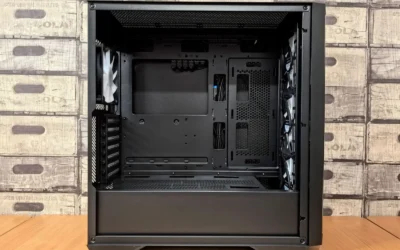
Choosing a case around Montech AIR 903 GPU clearance and radiator support explained is really a decision about fit first and performance second. You want your graphics card and your cooling to install cleanly, breathe well, and leave room for cables and future upgrades without forcing you to rebuild.
To make that call you should weigh your resolution and refresh target, your platform and socket, your case size and clearance, your power budget, and whether this is your current build or your next upgrade. A card that is perfect for 1440p high refresh gaming may be longer and thicker than a compact case can handle, and a radiator that looks ideal on paper may not clear your RAM or top panel. If you are exploring options, start with the Cases & Airflow archive to compare how different layouts handle these tradeoffs.
What Actually Matters
GPU Length, Thickness and Slot Clearance
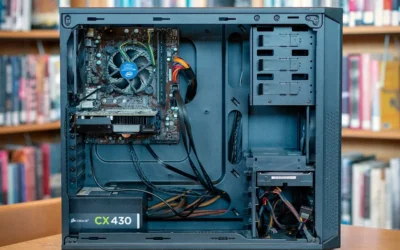
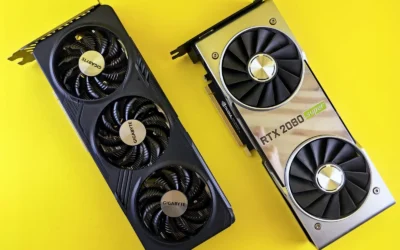
GPU clearance is more than a single length number. You need to consider the card length from bracket to shroud end, the thickness in slots, and how far the power connectors protrude. A long triple fan card can interfere with front fans or a front radiator, while a thick card can block the slot below it or press against a side panel or bottom fans.
When you evaluate Montech AIR 903 GPU clearance and radiator support explained, look at the spec sheet for maximum GPU length with and without a front radiator installed. Owners commonly report that real world fit depends on whether you use slim or thick front fans, and whether cables are routed tightly. Always leave a small gap for airflow and for removing the card later without scraping the shroud.
Radiator Location, Thickness and Fan Size
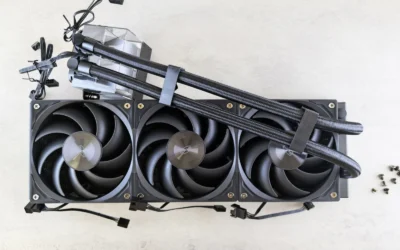
Radiator support comes down to where you can mount, what thickness you can fit, and which fan sizes the case accepts. Front mounts often offer the most depth for thick radiators, while top mounts are limited by RAM height and motherboard heatsinks. You should check cooler height or radiator clearance against your case before you buy, and follow the manufacturer mounting instructions for fan direction and screw length.
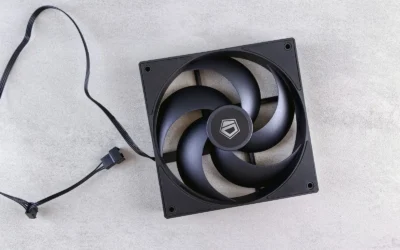
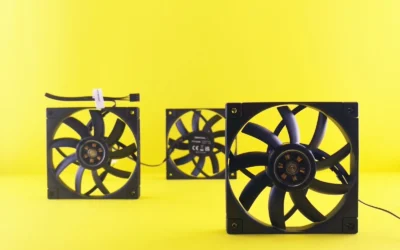
For Montech AIR 903 GPU clearance and radiator support explained, pay attention to the combination of radiator plus fans. A radiator with standard thickness fans may fit up front but not up top if your memory is tall. Also confirm whether the case supports the fan sizes you plan to use. Many builds use 12cm fans up front and on radiators, while some accessory mounts also support 9cm fans for targeted cooling.
Airflow Path and Fan Mount Flexibility
Airflow is about path, not just fan count. You want cool air in across the GPU and out through the top and rear without recirculating hot air. Mesh front panels help, but fan placement still matters. Consider how front intake, bottom intake, and rear exhaust work together, and whether your GPU will get fresh air or sit in a pocket of warm air.
Flexibility helps you tune that path. Some builders add extra fan mounts to direct air where the case layout leaves a gap, such as the PCI slot area below the graphics card. If you are pairing a large card with an air cooled CPU, you may find that a focused intake near the GPU helps more than adding another top exhaust. Review examples in our Graphics Cards section to see how card thickness and cooler design change airflow needs.
Build Practicality and Compatibility Checks
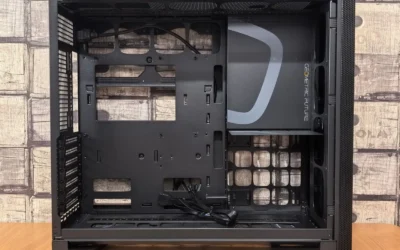
Practical details decide whether a build is enjoyable or frustrating. Check cable routing space behind the motherboard tray, drive cage position relative to a front radiator, and dust filter access. Also verify power supply length if you plan a front radiator with push pull fans, as a long PSU can reduce usable depth.
Use a simple checklist before you order. Confirm GPU length and slot width, confirm radiator length and thickness with fans, confirm RAM and motherboard heatsink clearance for top mounts, and confirm you have enough fan headers or a hub. Handle components with anti-static precautions and follow the case manual for standoff placement and radiator bracket installation. These steps are done at your own risk if you modify the case, and they may affect warranty if you drill or cut panels.
To see a few options that show the range of cooling accessories and mounting ideas, review the examples below:
This article contains affiliate links. If you buy through one of our links, CustomPCGaming may earn a commission at no extra cost to you. Commissions never influence which products we recommend or how we rank them. Read our Affiliate Disclosure for details.
Quick Picks at a Glance

Prime Maxmoral Dual Fan PCI Slot Bracket
As an Amazon Associate we earn from qualifying purchases. Product prices and availability are accurate as of the date/time indicated.
Pros
- Sturdy metal build with rust resistant black finish for long term durability
- Supports both 90mm and 120mm standard fans for versatile cooling options
- Provides targeted GPU cooling to help reduce thermal throttling
- Simple installation with all required mounting hardware included
- Cost effective cooling upgrade for DIY and gaming systems
Cons
- Occupies two PCI slot spaces, may not fit compact or fully populated cases
- Only compatible with 25mm thick fans, other thicknesses will not fit
- Fans not included and must be purchased separately
The Maxmoral Dual Fan PCI Slot Bracket is a simple DIY accessory that lets you mount cooling fans directly beside your graphics card. It is designed for gamers, overclockers and custom PC builders who need extra GPU airflow without investing in a new case or cooler.
In real world use, the bracket holds two 90mm or 120mm fans to create focused airflow across the graphics card. This targeted cooling helps lower GPU temperatures, improve system stability during long gaming sessions and can allow for quieter fan curves.
Build quality is impressive for the price, featuring high quality metal with a smooth black stoving varnish that resists rust and corrosion. The bracket feels solid and rigid once installed, and the included fan holders and screws keep fans securely in place without vibration.
There are a few tradeoffs to note. The mount requires two open PCI slots and only fits standard 25mm thick fans, so it is not suitable for slim cases or nonstandard fans. You will also need to provide your own fans and check internal clearance before installation.
Overall, this bracket is a smart, budget friendly solution for improving GPU cooling in most desktop builds. If you have spare PCI slots and want an easy thermal upgrade, it offers excellent value and practical performance gains.
Model: Maxmoral PCI-FAN-BRACE-912
Compatibility: 90mm and 120mm fans, 25mm thickness only
Material: Metal with black stoving varnish, rust and corrosion resistant
Slot Usage: Occupies 2 PCI slots
Dimensions: 4.72 x 3.54 x 0.79 inches
Weight: 9.07g
Included: 1 PCI Slot Bracket, 2 Fan Holders, 1 Set Fixing Screws
Matching a Part to Your Build
If you are building a high refresh 1440p gaming PC with a long, thick graphics card and air cooling, prioritize GPU clearance and direct GPU airflow. You will want a case configuration that leaves the full front length open for the card, with strong front intake and a clear path under the GPU. In this scenario the 1-Pack Dual Fan Mount Rack PCI Slot Bracket can be a useful illustration of how builders add targeted cooling, since it mounts dual 9cm or 12cm fans in a PCI slot to push air directly at the graphics card area when the main front intake is partially blocked.
If you are planning an AIO focused build with a front or top radiator, prioritize radiator thickness and fan compatibility over maximum GPU length. You should decide radiator location first, then choose a GPU length that still leaves room for tubes and fittings. For example, a front mounted radiator with standard fans will shorten usable GPU length, so you may need a slightly shorter card or a slimmer radiator. The bracket example above also shows why fan size matters, because mixing 9cm and 12cm mounts changes how much air you can move in tight spaces like the lower PCI area.
If you are updating a budget or mid range system and want better thermals without replacing the case, look at flexible airflow tweaks. This is where the approach behind the 1-Pack Dual Fan Mount Rack PCI Slot Bracket is most relevant. It is a simple metal bracket with a black finish that lets you add two fans where the case did not include mounts, which can lower GPU temperatures and reduce fan noise by letting your main fans run slower. For a full system view, compare your plan to a balanced parts list like the ryzen 5 7600 RX 7700 XT 1000 dollar gaming PC amazon build to see how case airflow, GPU choice, and power budget interact.
Common Mistakes
• Assuming GPU length alone guarantees fit. Many builders check length but forget thickness, power connector clearance, and front radiator depth. A card that meets the length spec can still press against front fans, block a bottom fan, or make it hard to plug in power cables. Always check length with the radiator and fans you actually plan to install.
• Choosing a radiator that does not clear your RAM or case panels. Top mounted radiators often conflict with tall memory or motherboard heatsinks, and thick radiators can hit the top of the case or the motherboard. Check the manual for supported radiator thickness with fans, and confirm whether you need low profile RAM or a front mount instead.
• Overlooking power and fan control headroom. An undersized power supply or too few fan headers can leave you with noisy, hot operation even if everything fits. Follow the GPU maker recommended wattage and leave headroom over the combined CPU and GPU draw, and plan for a fan hub or splitter if your motherboard cannot support all your fans. For GPU heavy 1440p builds, see top RTX 5070 ti cards for 1440p gaming to understand how different cooler designs affect case airflow needs.
Who Should Wait or Buy Differently
This type of airflow focused mid tower approach is not ideal for you if you need the smallest possible footprint, plan to use an extra long workstation card with a thick front radiator, or want a silent build with no extra fan tuning. If you are moving to a larger platform soon, or you know you will need extensive water cooling with multiple thick radiators, you may be better served by a larger case with more radiator depth or by waiting until you have finalized your GPU and cooler choices. That way you avoid buying a case that limits your next upgrade.
Frequently Asked Questions
How do I verify GPU clearance for the Montech AIR 903 before I buy?
Check the case spec sheet for maximum GPU length with and without a front radiator, then compare it to the graphics card dimensions from the manufacturer. Remember to account for front fans, radiator thickness, and power cable bend. Owners commonly report that leaving a small buffer makes installation and future removal much easier.
Can I mount a radiator on the top and still use tall RAM?
Sometimes, but it depends on radiator plus fan thickness and the height of your memory and motherboard heatsinks. If the top clearance is tight, consider a front mount or choose lower profile memory. Always confirm the supported radiator size and thickness in the manual and review fit without forcing components.
Is a PCI slot fan bracket a good way to improve GPU cooling?
It can be, especially if your GPU sits in a warm pocket with limited direct intake. A bracket like the 1-Pack Dual Fan Mount Rack PCI Slot Bracket lets you mount dual 9cm or 12cm fans to push air across the graphics card, which owners often say helps temperatures and lets main fans run quieter. It is most useful as a targeted tweak, not a replacement for good front to back airflow.

Write Your Review
No reviews yet. Be the first to share your experience!