

You hit Live, your game loads, OBS encodes, Discord stays active, and your browser runs alerts and chat bots. If your processor cannot juggle all of that at once, you get dropped frames, micro stutters, and a broadcast that looks choppy even when gameplay feels smooth on your end.
This guide covers the best CPU for streaming and gaming at the same time for every kind of creator, from competitive shooter players to AAA enthusiasts and VTubers. We evaluated core layouts, cache, platform longevity, and encoder flexibility across nine standout options so you can match performance to your workflow. For broader context on sockets and chipsets, browse our Gaming CPUs hub before you build.
This article contains affiliate links. If you buy through one of our links, CustomPCGaming may earn a commission at no extra cost to you. Commissions never influence which products we recommend or how we rank them. Read our Affiliate Disclosure for details.
Quick Picks at a Glance
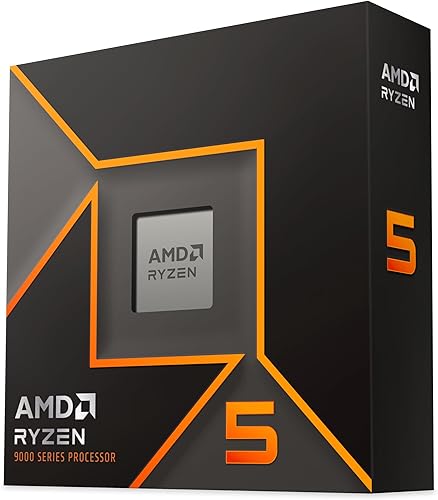
Prime AMD Ryzen 5 9600X 6-Core 12-Thread Unlocked
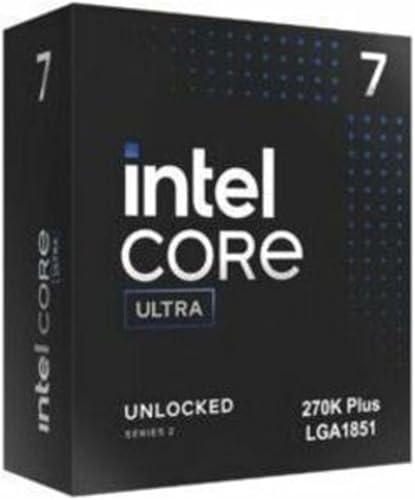
Intel Core Ultra 7 270K Plus Processor 24-Core

AMD Ryzen 9 5900XT 16-Core 32-Thread Desktop

AMD Ryzen 7 7800X3D 8-Core 16-Thread
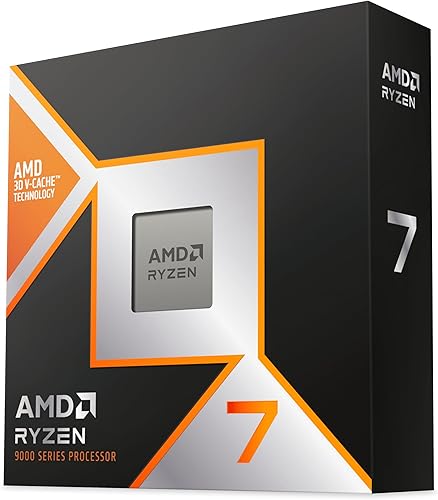
AMD Ryzen 7 9800X3D 8-Core 16-Thread

Prime AMD Ryzen 9 9950X3D 16-Core Processor with 2nd Gen

Lenovo Legion Tower 5i Gaming PC

AMD Ryzen 7 5800X3D 8-Core 16-Thread AM4 Processor

Prime Intel Core Ultra 9 285K 24-Core Processor 5.7GHz
As an Amazon Associate we earn from qualifying purchases. Product prices and availability are accurate as of the date/time indicated.
Pros
- Excellent gaming performance with efficient Zen 5 architecture
- High 5.4 GHz boost clock and unlocked multiplier for overclocking
- Future ready AM5 platform with DDR5 and PCIe 5.0 support
- Energy efficient 65W TDP for cooler and quieter operation
- Large 38MB cache improves responsiveness in games and productivity
Cons
- CPU cooler not included, requires separate purchase
- Requires AM5 motherboard and DDR5 memory, not compatible with AM4 or DDR4 systems
- 6-core configuration may be limiting for heavy workstation or rendering tasks
The AMD Ryzen 5 9600X is a 6-core, 12-thread unlocked desktop processor built on the Zen 5 architecture for the AM5 platform. It is designed for gamers, PC builders and creators who want strong single and multi-threaded performance without stepping up to higher core counts.
In real world use, it targets smooth 100+ FPS gaming in popular titles while handling streaming, editing and multitasking comfortably. The 5.4 GHz max boost, 38MB cache and DDR5-5600 support help reduce stutter and improve responsiveness, and the unlocked design lets enthusiasts overclock on compatible motherboards.
Built for Socket AM5, the chip supports PCIe 5.0 on select motherboards for next generation graphics and storage. Despite its performance, it maintains a 65 watt TDP that balances power and thermals, and its compact design fits standard AM5 builds with air cooling.
The main trade off is that no cooler is included, so you will need to budget for an AM5 compatible air or liquid cooler. It also requires a newer AM5 motherboard and DDR5 memory, which adds cost if you are upgrading from an AM4 system.
Overall, the Ryzen 5 9600X is a compelling mid-range CPU that brings next gen Zen 5 speed and efficiency to a proven 6-core formula. For gamers and creators building a new AM5 system, it offers excellent value, future ready connectivity and headroom for overclocking.
Processor Series: Ryzen 5 9600X, 6 Cores, 12 Threads, Zen 5 Architecture
Clock Speed: 3.9 GHz base, up to 5.4 GHz max boost, unlocked for overclocking
Cache: 38MB total cache with 6MB secondary cache
Socket and Memory: Socket AM5, supports DDR5-5600 and PCIe 5.0 on select motherboards
Power and Cooling: 65 watts TDP, air cooling method, cooler not included
Compatibility: Windows 11 platform, 3 year manufacturer warranty
Pros
- Delivers practically the same performance as the flagship 285K for less
- Excellent gaming results that beat non-X3D Ryzen CPUs and match 9800X3D in VR
- Powerful productivity performance for rendering, encoding and creative apps
- Modern Z890 platform with superior connectivity, I/O and memory overclocking headroom
- Highly stable operation with strong user satisfaction
Cons
- Runs hot under load and needs a premium air cooler or high end AIO
- 250W max turbo power requires robust cooling, PSU and airflow
- Requires new LGA1851 800 Series motherboard, no drop in upgrade for older sockets
The Intel Core Ultra 7 270K Plus is a 24-core enthusiast processor built for gamers, streamers and creators who need serious multitasking power without stepping up to the flagship 285K. With 8 performance cores and 16 efficiency cores, it is designed for high refresh gaming, 3D rendering and heavy creative workloads on the new LGA1851 platform.
In real world use it delivers ultra responsive performance with boost clocks up to 5.5GHz, and reviewers note it trades blows with the 285K while beating non-X3D Ryzen chips in gaming. It shines in Handbrake, Premiere Pro and Blender where its 24 threads keep exports and renders smooth, and VR sim racers report performance on par with the 9800X3D even with multiple background apps running.
Built for the Intel 800 Series chipset, it unlocks PCIe 5.0 and 4.0 support plus high speed DDR5 memory up to 7200 MT/s for future proof bandwidth. The unlocked design pairs perfectly with Z890 motherboards for easy overclocking, and the platform offers excellent connectivity, I/O and memory tuning headroom that enthusiasts will appreciate.
It is not without tradeoffs, as this is a hot and power hungry chip with a 125W base and 250W max turbo rating. You will need a premium air cooler like the Noctua NH-D15 G2 or a high end AIO to keep temperatures in check, and it requires a new LGA1851 motherboard so it is not a simple drop in upgrade for older systems.
Overall the Core Ultra 7 270K Plus hits the sweet spot for price to performance in the high end segment. If you want flagship class gaming and creator performance with modern platform features and stable operation, this is one of the smartest enthusiast picks available right now.
Processor: Intel Core Ultra 7 270K Plus, 24 cores (8 P-cores + 16 E-cores), 24 threads, 3.7GHz base, up to 5.5GHz max turbo frequency, 40MB total cache with 36MB secondary cache.
Platform: LGA1851 socket, compatible with Intel 800 Series chipsets, supports PCIe 5.0 and 4.0, DDR5 memory up to 7200 MT/s, unlocked for overclocking on Z series boards.
Power and Cooling: 125W processor base power, 250W max turbo power, air cooling recommended with premium cooler, 3 year manufacturer warranty.
Pros
- Outstanding 16-core, 32-thread performance on the mature AM4 platform
- High 4.8 GHz boost and large 72MB cache for gaming and creation
- Cost effective upgrade that reuses DDR4 memory and AM4 motherboards
- Unlocked for overclocking with PCIe 4.0 support
- Highly rated for real world speed gains and reliability
Cons
- No cooler included, requires a capable aftermarket cooler
- 105W TDP needs robust power delivery and good case airflow
- Limited to AM4 and DDR4, not compatible with AM5 and DDR5 platforms
The AMD Ryzen 9 5900XT is a 16-core, 32-thread unlocked desktop processor built on the proven Zen 3 architecture for Socket AM4. It is designed for gamers, creators and power users who want flagship performance while keeping their DDR4 system.
With a 4.8 GHz max boost, 72MB cache and support for PCIe 4.0 and DDR4-3200, it handles demanding workloads with ease. Users report noticeably faster raw photo and video processing, 3D modeling and gaming when paired with a modern GPU and Gen4 SSD.
Built for Socket AM4, it offers a straightforward drop-in upgrade with mature platform stability and wide motherboard compatibility. Its unlocked design invites overclocking, and the Zen 3 architecture delivers efficient, responsive performance across both single and multi-threaded tasks.
The main drawbacks are the lack of an included cooler and its 105W power requirement, so quality cooling and airflow are essential. It is also tied to the end-of-life AM4 and DDR4 ecosystem, so it is not a path to future DDR5 upgrades.
Overall, the Ryzen 9 5900XT is one of the smartest ways to extend the life of an AM4 build with near flagship power. If you want to maximize your current system for years of gaming and creation without a full platform change, it is an excellent choice.
Processor Series: Ryzen 9 5900XT
Cores / Threads: 16 cores, 32 threads, Zen 3 architecture
Base / Boost Clock: 3.3 GHz base, up to 4.8 GHz max boost, unlocked for overclocking
Cache: 72MB total cache, 8MB secondary cache
Socket / Memory / PCIe: Socket AM4, DDR4-3200 support, PCIe 4.0 support
TDP / Cooling: 105 watts, aftermarket cooler required, cooler not included
Platform: Windows 11 compatible
Pros
- Best in class gaming performance and frametime consistency in CPU heavy and competitive titles
- Excellent power efficiency and cool operation without needing premium cooling
- Stable, easy drop in installation on AM5 with no complex tuning required
- Strong multitasking for gaming, streaming and everyday use
Cons
- Tuned for gaming, less ideal than non X3D chips for heavy rendering or productivity workloads
- Limited overclocking headroom due to 3D V-Cache design
- Requires AM5 motherboard and DDR5 memory, so not a drop in upgrade for AM4 systems
The AMD Ryzen 7 7800X3D is an 8-core, 16-thread desktop processor built on AMD's Zen 4 architecture for the Socket AM5 platform. It is purpose built for gamers who want maximum FPS and smoothness rather than a workstation chip for heavy creation tasks.
Its defining feature is AMD 3D V-Cache, which stacks a massive 96MB L3 cache plus 8MB L2 for 104MB total cache. In real world use this translates to exceptional high refresh rate gaming at 1440p, VR, and CPU intensive simulation and strategy games, with notably smooth 1% lows when paired with a powerful GPU.
Built on a 5nm process with a 4.2 GHz base clock and 120 watt design, it balances speed with efficiency. Users report cool, quiet operation and easy installation on any AM5 board, plus integrated Radeon Graphics for basic display duties and reliable everyday stability.
There are tradeoffs to consider. It is optimized for gaming, so creators focused on video encoding or 3D rendering may find better value in higher clocked non X3D processors. It also needs an AM5 motherboard and DDR5 RAM, and offers limited manual overclocking by design.
Verdict: For pure gaming the 7800X3D remains a top recommendation, combining elite gaming performance, efficiency and consistency. If your priority is smooth, high FPS gameplay that lets your GPU stretch its legs, it is an outstanding upgrade.
Processor: AMD Ryzen 7 7800X3D, 8 Cores, 16 Threads, Zen 4 Architecture, 5nm Process
Clock and Cache: 4.2 GHz Base Clock, 8MB L2 Cache plus 96MB L3 Cache, 104MB Total Cache
Socket and Platform: Socket AM5, Supports Windows 10 and Windows 11, Requires DDR5 Memory
Graphics and Power: Integrated AMD Radeon Graphics at 2200 MHz, 120 Watts, Tjmax 89C
Package: Desktop Processor, Model Number AMD Ryzen 7 7800X3D, Dimensions 1.57 x 1.57 inches
Pros
- Exceptional gaming performance with extremely consistent frame times
- Excellent power efficiency and manageable thermals with a good aftermarket cooler
- Easy installation on AM5 platform with broad motherboard compatibility after BIOS update
- Strong all around performance for gaming, streaming and everyday creation tasks
Cons
- Cooler not included, requires separate high quality cooling solution
- Requires AM5 motherboard and DDR5 memory, not compatible with AM4 systems
- 8-core design is less optimal for heavy workstation rendering versus higher core count CPUs
The AMD Ryzen 7 9800X3D is a high performance desktop processor designed for gamers, streamers and creators who demand top tier speed. Built on the Zen 5 architecture with next generation 3D V-Cache, it is purpose built to eliminate CPU bottlenecks in modern titles.
In real world gaming, the massive 96MB L3 cache and boost clocks up to 5.2GHz deliver outstanding frame rates and remarkably consistent frame times. Users report smooth performance in demanding and CPU heavy games, with excellent 1% lows that reduce stutter during competitive play and streaming.
The chip uses the proven Socket AM5 platform and offers drop in compatibility with existing AM5 motherboards after a BIOS update. Build quality reflects AMDs premium design, with improved thermal performance over the previous generation and efficient operation even during long sessions with a quality aftermarket cooler.
As a gaming focused CPU, it is not the best choice for heavy workstation or rendering workloads where higher core count processors excel. It also ships without a cooler, requires an AM5 board and DDR5 memory, and needs capable cooling to maintain its boost performance.
Overall, the Ryzen 7 9800X3D stands out as the go to processor for gamers who want the fastest and most stable gaming experience available. If your priority is maximum FPS, low latency and future ready AM5 support, this CPU is an excellent investment.
Model: AMD Ryzen 7 9800X3D, 8-Core, 16-Thread, Zen 5 Architecture
Cache: 96MB L3 Cache, 104MB Total Cache, 8MB L2 Cache
Clock Speed: 4.7GHz Base, Up to 5.2GHz Boost
Socket & Platform: Socket AM5, Supports DDR5 and PCIe 5.0, Windows 11 Ready
Power & Cooling: 140W, External Cooler Required, Cooler Not Included
Pros
- Outstanding gaming performance thanks to 2nd Gen 3D V-Cache and huge 144MB cache
- Excellent multi-core power for creators with 16 cores and Zen 5 architecture
- Very high boost clock up to 5.7GHz for responsive single and multi-threaded tasks
- Future proof AM5 platform with strong upgrade path
- Highly ranked among CPU processors for enthusiast builds
Cons
- 170W TDP requires a premium cooler and robust motherboard power delivery
- Requires AM5 motherboard and DDR5 memory, increasing total platform upgrade cost
- Overkill and not cost efficient for casual users or light gaming builds
The AMD Ryzen 9 9950X3D is the flagship 16-core, 32-thread desktop processor built on the Zen 5 Granite Ridge architecture for the AM5 platform. Designed for elite gamers, streamers and professional creators, it combines massive multi-core power with specialized 3D V-Cache technology to handle the most demanding workloads without compromise.
Its standout feature is 2nd Gen AMD 3D V-Cache with a huge 144MB total cache, paired with boost clocks up to 5.7GHz and a 4.3GHz base clock. In real world use, this delivers exceptional gaming frame rates, faster rendering and smooth multitasking for heavy creative tasks like video editing, 3D modeling and compiling.
Built for modern desktops, the boxed processor uses the Socket AM5 form factor and is engineered for efficiency and reliability under sustained loads. The chiplet design and premium build quality support stable performance, while compatibility with Windows and current AM5 motherboards makes system integration straightforward for builders.
There are tradeoffs to consider. The 170W TDP demands a high performance cooler and robust power delivery, so it is not ideal for compact or low power builds. It also requires an AM5 motherboard and DDR5 memory, which adds to the total platform cost if you are upgrading from an older system.
Overall, the Ryzen 9 9950X3D is the ultimate do it all CPU for users who want top tier gaming and creation performance in one chip. If you want the best of Zen 5 with no compromises for gaming and productivity, this processor is an outstanding investment for a high end AM5 build.
Processor: AMD Ryzen 9 9950X3D, 16 cores, 32 threads, Zen 5 architecture, Granite Ridge, Socket AM5.
Clocks and Cache: 4.3GHz base clock, up to 5.7GHz max boost clock, 144MB total cache with 16MB secondary cache.
Platform and Power: 170W TDP, boxed desktop processor, Windows compatible, requires AM5 motherboard and DDR5 memory.
Physical Details: 1.6 inch x 1.6 inch form factor, 3.2 ounces, model number 100-100000719WOF.
Pros
- Excellent 1440p and 4K gaming performance with RTX 5070 Ti and DLSS
- Whisper quiet and efficient Legion Coldfront cooling even during long sessions
- Clean, solid build with transparent tool less panel and subtle RGB
- Fast DDR5 memory and 1TB PCIe SSD for quick loads and smooth multitasking
- Highly expandable with extra M.2 slots and memory upgradability
Cons
- Large and heavy tower requires ample desk or floor space
- Air cooling only, no liquid cooling option in this configuration
- Third M.2 slot is located behind the GPU and is harder to access
The Lenovo Legion Tower 5i is a powerful prebuilt gaming desktop built for gamers, streamers, and creators who want top tier performance without building from scratch. With an Intel Core Ultra 7 265F and RTX 5070 Ti, it is designed to handle demanding AAA games, content creation, and multitasking with ease.
In real world use, it delivers smooth, stutter free gameplay with stunning ray traced visuals and AI enhanced DLSS frame rates. The 32GB of DDR5 memory and 1TB PCIe SSD ensure fast load times and seamless switching between games, streams, and creative apps, while Legion Coldfront cooling keeps temperatures low and fan noise minimal.
Design wise, the Eclipse Black tower feels solid and premium with a transparent tool less side panel and subtle customizable RGB lighting. The airflow is intelligently engineered for quiet operation, and the chassis offers easy expandability with additional M.2 slots and support for up to 128GB of memory.
There are a few tradeoffs to consider. The tower is large and heavy at over 33 pounds, so it needs dedicated space, and the third M.2 slot is tucked behind the GPU which makes installation tricky. It also relies on optimized air cooling rather than liquid cooling, which may matter to extreme overclockers.
Overall, the Legion Tower 5i is an outstanding choice for anyone seeking a reliable, quiet, and future proof gaming PC that performs right out of the box. It balances raw power, thoughtful design, and easy upgradability, making it a smart investment for both competitive gaming and creative work.
Processor: Intel Core Ultra 7 265F
Graphics: NVIDIA GeForce RTX 5070 Ti with ray tracing and DLSS
Memory: 32GB DDR5 at 5600MHz, expandable to 128GB
Storage: 1TB PCIe SSD with additional M.2 slots
Connectivity: WiFi 6E, 2.5G Ethernet, Bluetooth 5.2, USB, HDMI, DisplayPort
Operating System: Windows 11 Home with Legion Space and Nahimic 3D Audio
Design: Eclipse Black tower, 19.31 x 8.31 x 16.3 inches, transparent tool less side panel with ARGB lighting
Choose the Legion Tower 5i if you want high end 1440p and 4K gaming performance in a prebuilt system that is quiet, cool, and easy to upgrade. It is perfect for gamers who also stream, edit video, or run demanding creative workloads.
Consider your space and future needs before buying. This is a full size tower that benefits from good ventilation, and while upgrades are simple, you may want to plan for extra storage or memory down the line.
For the best experience, pair it with a high refresh rate 1440p or 4K monitor to take full advantage of the RTX 5070 Ti, and use Legion Space to keep drivers, lighting, and performance profiles in sync.
Pros
- Best gaming performance available on the AM4 platform
- Massive 96MB L3 cache dramatically improves smoothness and reduces stutter
- Simple drop-in upgrade for existing AM4 motherboards after BIOS update
- Strong 8-core, 16-thread performance for gaming and multitasking
- PCIe 4.0 support on X570 and B550 for fast GPUs and SSDs
Cons
- Runs hot and requires a high-performance aftermarket cooler, not included
- Limited to AM4 and DDR4 with no DDR5 or AM5 upgrade path
- 105W TDP and limited overclocking headroom compared to standard Ryzen chips
The AMD Ryzen 7 5800X3D is a specialized 8-core, 16-thread processor built exclusively for gamers on the Socket AM4 platform. It is ideal for users with an existing X570 or B550 system who want a powerful final upgrade without rebuilding for AM5.
Its standout feature is AMD 3D V-Cache Technology, which stacks a massive 96MB of L3 cache and 100MB total cache to accelerate gaming workloads. In real world use, reviewers report major gains in average FPS and far smoother 1% lows, with noticeably reduced stutter in CPU heavy titles like Monster Hunter Wilds and Fortnite.
Built for the mature AM4 ecosystem, the chip supports DDR4-3200 and PCIe 4.0 on compatible motherboards and boosts up to 4.5 GHz. Installation is simple as a drop-in replacement after a BIOS update, and build quality reflects AMD's proven Ryzen 7 reliability.
The trade off is thermals and platform limits, as the processor runs hot and does not include a cooler so a high performance air or liquid cooler is essential. It is also locked to DDR4 and AM4, offers limited manual overclocking, and draws 105 watts which demands good case airflow.
Overall, the Ryzen 7 5800X3D remains the definitive gaming upgrade for AM4 and extends the life of your current system impressively. If you want top tier gaming smoothness without a full platform change, this processor is an outstanding value and a clear recommendation.
Processor: AMD Ryzen 7 5800X3D, 8 Cores, 16 Threads, up to 4.5 GHz Max Boost, 105W TDP
Cache and Technology: 96MB L3 Cache, 100MB total cache with AMD 3D V-Cache Technology, 3D stacking design
Platform: Socket AM4, DDR4-3200 support, PCIe 4.0 support on X570 and B550 motherboards
Package: Socket AM4 processor, cooler not included, Windows compatible, 3 year manufacturer warranty
Pros
- Outstanding 24-core hybrid performance for gaming and content creation
- High 5.7GHz turbo frequency and large 40MB cache
- Future ready with PCIe 5.0 and DDR5 support
- Unlocked design for enthusiast overclocking
- Improved efficiency for better thermals and acoustics
Cons
- No thermal solution included, requires separate cooler
- Requires new LGA1851 socket and Intel 800 Series motherboard
- 125W base power needs strong cooling and power delivery for peak performance
The Intel Core Ultra 9 285K is Intel's flagship Series 2 desktop processor built for enthusiast gamers and serious creators. With 24 cores and 24 threads, including 8 Performance cores and 16 Efficient cores, it is designed for users who need top tier multitasking, gaming and creative power on the new LGA1851 platform.
Standout features include an unlocked 5.7GHz turbo boost, 40MB cache and support for PCIe 5.0 and DDR5. The hybrid architecture intelligently distributes workloads for smoother gameplay while streaming, faster rendering and quicker responsiveness. Integrated Intel Graphics also provides convenient display support.
Built for the Intel 800 Series chipset, this processor offers a modern, future ready foundation with support for the latest GPUs and SSDs. The 125W base power design balances high performance with improved efficiency, helping systems run cooler and quieter when paired with a capable cooler.
Drawbacks to consider are the lack of an included thermal solution and the need for a new motherboard, which adds to build cost. As an unlocked enthusiast chip, it also benefits greatly from robust cooling and a quality power supply to sustain peak boost speeds.
Verdict: For builders seeking elite desktop performance for gaming, creation and heavy multitasking, the Core Ultra 9 285K is a top tier choice. It is best suited to enthusiasts who want overclocking headroom and next gen connectivity on a premium platform.
Model: Intel Core Ultra 9 Processor 285K (BX80768285K)
Cores / Threads: 24 cores (8 P-cores + 16 E-cores) / 24 threads
Max Turbo Frequency: Up to 5.7GHz with Turbo Boost Max Technology 3.0
Cache: 40MB total cache, 36MB Secondary Cache
Socket: LGA1851, Compatible with Intel 800 Series Chipset motherboards
Memory Support: DDR5
Expansion: PCIe 5.0 and 4.0 support
Graphics: Integrated Intel Graphics included
Base Power: 125W, Unlocked, No thermal solution included
This processor requires an Intel 800 Series chipset motherboard with the LGA1851 socket and will not work with older Intel platforms. Check your motherboard BIOS support and DDR5 memory compatibility before purchase.
A high quality aftermarket cooler is essential since no thermal solution is included. A robust power supply and good case airflow are also recommended to maintain boost performance and keep temperatures in check.
Ideal for new high end gaming rigs, content creation workstations and future focused builds that plan to use PCIe 5.0 GPUs and NVMe drives. Not ideal for budget upgrades reusing older motherboards or DDR4 memory.
Buying Guide: How to Choose a CPU for Streaming and Gaming Simultaneously
Streaming while gaming stresses different parts of your system at once. Your CPU must keep game logic and frame pacing high while also handling encoding, audio mixing, and background tasks without contention. Use the criteria below to narrow your choice quickly.
1. Core Count, Thread Headroom, and Hybrid Architecture
If you stream daily, prioritize thread headroom. A chip like the AMD Ryzen™ 5 9600X 6-Core with 6 cores and 12 threads on Zen 5 can handle light x264 or GPU offloaded encoding, while the AMD Ryzen™ 9 5900XT 16-Core with 16 cores and 32 threads gives you massive multitasking cushion for browser sources, chat bots, and creative apps.
Intel hybrid designs change the math. The Intel® Core™ Ultra 7 Processor 270K Plus 24 cores and Intel® Core™ Ultra 9 Processor 285K 24 cores both offer 8 P-cores plus 16 E-cores, so demanding games can stay on fast P-cores while encoding and background workloads shift to efficient E-cores. That separation keeps your frame time steady when you push high refresh rates.
2. Encoding Path and Platform Bandwidth
Your encoding path determines how much CPU load you actually carry. Many streamers offload to NVENC on an RTX card or Quick Sync on Intel, which frees CPU threads for game physics and scene composition. The Lenovo Legion Tower 5i – AI-Powered Gaming PC leans into this approach with its Intel Core Ultra 7 265F and NVIDIA GeForce RTX 5070 Ti, delivering AI powered DLSS and hardware encoding in a prebuilt with 32GB DDR5.
Platform matters too. AM5 chips like the Ryzen 5 9600X support DDR5-5600 and PCIe 5.0 on select motherboards, while Intel 800 series boards with LGA1851 enable DDR5 up to 7200 MT/s and PCIe 5.0 and 4.0 support. Pairing your CPU with the right Graphics Cards ensures your encoder choice matches your GPU, and our top RTX 5070 ti cards for 1440p gaming guide helps you balance GPU headroom with CPU power.
3. Gaming Cache vs. Raw Multicore Muscle
For pure gaming smoothness while streaming, large L3 cache is a game changer. The AMD Ryzen 7 7800X3D 8-Core with 96MB L3, the AMD RYZEN 7 9800X3D 8-Core with next gen 3D V-Cache and up to 5.2 GHz boost, and the AMD Ryzen 7 5800X3D 8-core with 100MB cache all keep 1% lows high so your stream stays fluid even in CPU heavy titles.
If your workflow includes editing, compiling, or heavy multitasking during streams, raw core count wins. The AMD Ryzen 9 9950X3D 16-Core Processor merges 16 cores, Zen 5 architecture, and 2nd gen 3D V-Cache with up to 5.7 GHz boost to serve both gamers and creators who render while live. The Ryzen 9 5900XT also excels for creators on AM4 who want proven Zen 3 throughput without moving platforms.
4. Thermals, Power, and Upgrade Longevity
Streaming loads are sustained, so thermals and power design matter as much as peak boost. Many enthusiast chips ship without a cooler, including the Ryzen 5 9600X, Ryzen 7 9800X3D, Ryzen 9 5900XT, and Ryzen 7 5800X3D, so plan for a high performance air or liquid cooler. Intel Ultra 7 270K Plus and Ultra 9 285K list a 125W base and 250W max turbo power, which rewards robust cooling and a Z series board for tuning.
Think about your upgrade path in 2026 and beyond. AM5 gives you a forward looking runway with DDR5 and PCIe 5.0, AM4 remains a value friendly foundation with DDR4-3200 and PCIe 4.0, and LGA1851 unlocks the newest Intel platform features. If you prefer a turnkey system, the Lenovo Legion Tower 5i offers tool less access, 32GB of 5600MHz DDR5 expandable to 128GB, and Legion Coldfront cooling, and you can compare value approaches in our Budget Build Guides.
Final Thoughts
For most streamers who want elite gaming smoothness plus serious creator headroom, the AMD Ryzen 9 9950X3D 16-Core Processor is our top all rounder, while the Intel® Core™ Ultra 7 Processor 270K Plus 24 cores is ideal if you favor hybrid multitasking and hardware encoding flexibility on the newest Intel platform.
Frequently Asked Questions
How many cores do you need to stream and game at the same time without lag?
For 1080p streaming while gaming, 8 cores and 16 threads is the sweet spot in 2026 for most setups, with 6 cores viable if you offload encoding to your GPU. If you run many browser sources, plugins, and creative apps alongside your game, 16 cores or a 24 core hybrid like Intel Ultra 7 or Ultra 9 gives you extra headroom. Always leave 20 to 30 percent CPU overhead so background tasks do not spike your frame times.
Is an X3D CPU good for streaming or just gaming?
X3D chips are excellent for streaming because the massive L3 cache keeps gaming performance high while encoding runs. The AMD RYZEN 7 9800X3D 8-Core and AMD Ryzen 7 7800X3D 8-Core maintain strong 1% lows, which makes your broadcast look smoother even when CPU load rises. If you also edit video or compile while live, consider the 16 core AMD Ryzen 9 9950X3D for extra threads.
Should you use CPU encoding or GPU encoding for streaming?
GPU encoding with NVENC or Quick Sync is usually best for single PC streaming because it preserves CPU cycles for your game and keeps frame pacing stable. CPU x264 can look great at slower presets but demands many threads and can reduce gaming performance if you lack headroom. If you are building around a powerful GPU, see our analysis of the ryzen 5 7600 RX 7700 XT 1000 dollar gaming PC amazon build to understand how to balance CPU and GPU load.
Do you need DDR5 and PCIe 5.0 for streaming and gaming in 2026?
You do not strictly need DDR5 or PCIe 5.0 to stream smoothly, but they help with future proofing and multitasking. DDR5 improves bandwidth for heavy scene collections and creative apps, and PCIe 5.0 benefits next generation SSDs and GPUs. If you are on AM4 with DDR4, a chip like the Ryzen 7 5800X3D still delivers outstanding gaming results while you plan a platform upgrade.
This roundup is not the right choice if you mostly do light gaming or office work; a lower-tier chip would save money without a real frame-rate loss for those uses.


Write Your Review
No reviews yet. Be the first to share your experience!