

Building a capable gaming PC on the AM4 platform in 2026 remains one of the smartest ways to maximize performance per dollar without chasing the newest socket. You get access to affordable DDR4 memory, a huge selection of proven motherboards, and processors that still push high frame rates in modern titles.
You want a CPU that handles competitive shooters and demanding open world games at 1080p while leaving budget for a solid graphics card. This guide focuses on the best AM4 CPU for a budget gaming build in 2026 by comparing two standout 6-core options from AMD, so you can match performance to your exact needs. For broader system planning, our Budget Build Guides show how to balance every component effectively.
This article contains affiliate links. If you buy through one of our links, CustomPCGaming may earn a commission at no extra cost to you. Commissions never influence which products we recommend or how we rank them. Read our Affiliate Disclosure for details.
Quick Picks at a Glance
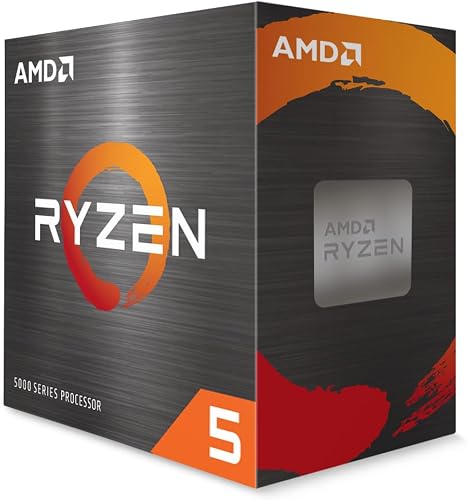
AMD Ryzen 5 5600 6-Core 12-Thread Unlocked Desktop
Prime AMD Ryzen 5 5500 6-Core 12-Thread Desktop
As an Amazon Associate we earn from qualifying purchases. Product prices and availability are accurate as of the date/time indicated.
Pros
- Outstanding price to performance ratio for gaming and multitasking
- Runs cool and stable even under moderate to heavy workloads
- Easy drop-in upgrade for existing AM4 systems with DDR4 memory
- Unlocked multiplier provides useful overclocking headroom
- Strong single core speed for responsive gameplay
Cons
- Stock Wraith Stealth cooler can get noisy under load, aftermarket cooler recommended for overclocking
- Limited to AM4 platform, not compatible with newer AM5 and DDR5 systems
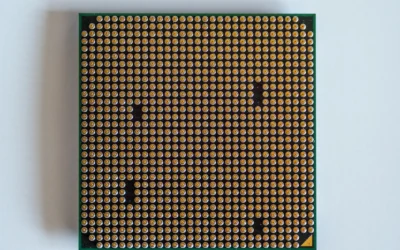
- Reports of inconsistent retail packaging and potential for bent pins during shipping
The AMD Ryzen 5 5600 is a 6-core, 12-thread unlocked desktop processor designed for gamers and everyday creators on the AM4 platform. It is perfect for building a capable 1080p or 1440p system or upgrading from an older Ryzen 2000 or 3000 series CPU.
In real world use it delivers fast, responsive gaming and smooth multitasking thanks to its 4.4GHz boost clock and large 35MB cache. Users report stable temperatures and consistent performance during gaming and productivity, with extra headroom for overclocking when paired with a B550 motherboard.
Design is compact and efficient with a 65 watt TDP and simple installation on Socket AM4. The included Wraith Stealth Cooler provides adequate cooling for stock operation and makes it a complete out of the box solution for budget conscious builders.
Drawbacks include noticeable fan noise from the stock cooler under heavy loads and being limited to the older AM4 and DDR4 ecosystem. Some buyers have also noted damaged packaging on delivery, so it is wise to inspect pins carefully before installation.
Overall, the Ryzen 5 5600 remains one of the best value processors for the AM4 platform, offering modern gaming performance, efficiency and unlocked flexibility. For anyone wanting a reliable and affordable upgrade without changing platforms, it is an outstanding choice.
Processor: AMD Ryzen 5 5600, 6 Cores, 12 Threads, up to 4.4GHz Boost Clock
Platform: Socket AM4, 65W TDP, Unlocked for Overclocking, Windows Compatible
Cache: 35MB Total Cache Memory, 32MB L3 Secondary Cache
Cooler and Package: Wraith Stealth Cooler Included, Model 100-100000927BOX
Warranty: 3 Year Manufacturer Warranty, Dimensions 1.57 x 1.57 inches
Pros
- Excellent value for 6-core, 12-thread unlocked performance
- Up to 4.2GHz boost with overclocking support
- Comes with Wraith Stealth cooler included
- Efficient 65W power design runs cool and quiet
- Wide compatibility with AM4 motherboards and DDR4 memory
Cons
- Requires a discrete graphics card, no integrated graphics
- Limited to AM4 and DDR4, no support for AM5 or DDR5
- Stock cooler can get loud under sustained heavy loads
The AMD Ryzen 5 5500 is a 6-core, 12-thread unlocked desktop processor for Socket AM4, designed for budget gamers and value focused builders. It is a smart choice for anyone on the AM4 platform who wants modern gaming performance without switching to a more expensive ecosystem.
In real world use it feels fast and responsive thanks to its 4.2GHz max boost, 19MB cache and DDR4-3200 support. When paired with a discrete graphics card it delivers 100+ FPS in popular competitive games and handles streaming, multitasking and everyday productivity with ease.
Design is compact and efficient, with a 65 watt profile that keeps heat and power consumption low. The bundled Wraith Stealth cooler offers capable air cooling out of the box, so most users will not need an aftermarket cooler and can keep their build simple and quiet.
There are some limitations to note. It does not include integrated graphics, so a dedicated GPU is required for any display output. It is also locked to the AM4 and DDR4 platform, which means no upgrade path to AM5 or DDR5 for future builds.
Overall the Ryzen 5 5500 is one of the best value picks for AM4 gaming systems. If you want affordable, overclockable performance with proven compatibility and efficient operation, it delivers excellent results for the cost.
Series: Ryzen 5 5500 | Cores / Threads: 6 cores, 12 threads | Max Boost: Up to 4.2GHz | Socket: AM4
Cache: 19MB total cache, 16MB L3 | Memory Support: DDR4-3200 | TDP: 65 watts | Cooling: Wraith Stealth air cooler included
Unlocked: Yes, for overclocking | Graphics: Discrete GPU required | Warranty: 3 Year manufacturer warranty
Choose the Ryzen 5 5500 if you already own an AM4 motherboard and want a cost effective gaming upgrade. It is perfect for 1080p gaming, esports titles and general multitasking when paired with a mid range graphics card.
Make sure your motherboard BIOS supports Ryzen 5000 series and that you have a discrete GPU, since this processor has no integrated graphics. For new builds that require DDR5 or PCIe 5.0, consider an AM5 alternative instead.
Buying Guide: How to Choose the Best AM4 CPU for a Budget Gaming Build in 2026
Choosing an AM4 processor today is about understanding subtle architectural differences that affect gaming smoothness, upgrade headroom, and total system cost. We evaluated both contenders across real world gaming scenarios, platform features, and thermal behavior to give you clear, practical advice.
Our recommendations prioritize what matters most for budget gamers, including minimum frame rates, compatibility with existing boards, and how well each chip pairs with mainstream GPUs. You will see where spending a bit more makes sense and where you can save without regret. Explore our Gaming CPUs section for more context on how these chips fit into the wider market in September 2026.
1. Gaming Performance, Cores, and Cache Architecture
Both processors offer 6 cores and 12 threads, which is the sweet spot for modern gaming and light multitasking. You can expect strong performance in popular titles where fast 100 plus FPS gameplay is achievable when paired with a discrete graphics card, especially at 1080p with competitive settings.
The key difference lies in cache and connectivity. The AMD Ryzen 5 5600 6-Core, 12-Thread Unlocked includes a larger cache pool and full PCIe 4.0 support, which helps reduce latency and keeps frame times more consistent in CPU heavy areas. The AMD Ryzen 5 5500 6-Core, 12-Thread Unlocked shares the same core count and 4.2 GHz Max Boost but uses a smaller cache and PCIe 3.0, so you may notice slightly lower average FPS and less headroom in demanding scenes, though it still delivers fluid gameplay for its class.
2. Motherboard Compatibility and PCIe Platform Features
AM4 remains attractive because you can reuse affordable B450, B550, and X570 boards with a simple BIOS update in most cases. Both CPUs use the advanced Socket AM4 platform and support DDR4-3200 memory, so you do not need expensive new RAM or motherboards to get started.
Where they diverge is PCIe generation. If you plan to use a PCIe 4.0 NVMe SSD or a modern graphics card that benefits from extra bandwidth, the Ryzen 5 5600 gives you full PCIe 4.0 support for storage and GPU. The Ryzen 5 5500 is limited to PCIe 3.0, which is perfectly fine for budget builds with SATA SSDs and mainstream GPUs, but it is worth considering if you want the fastest storage expansion. Check our Graphics Cards overview to see how PCIe bandwidth interacts with current GPU options.
3. Cooling, Power Efficiency, and Overclocking Headroom
Both chips ship with the AMD Wraith Stealth cooler, which simplifies your build and saves you from buying an aftermarket solution right away. For a budget gaming build, that bundled cooler keeps temperatures under control during long sessions and keeps noise reasonable in a well ventilated case.
Each processor is unlocked for overclocking, giving you flexibility to squeeze extra performance when you are comfortable tuning in BIOS. The Ryzen 5 5600 tends to run slightly more efficiently thanks to its architecture and benefits from better power management under load, while the Ryzen 5 5500 remains a cool and efficient option for compact cases. Either way, you get VR Ready Premium support and reliable thermal performance without needing a large cooler.
4. GPU Pairing and Overall System Balance
Your CPU choice should complement your graphics card, not overpower it. Both processors require a discrete graphics card, so your budget should prioritize a balanced GPU that can drive your monitor at its native resolution. For 1080p high refresh gaming, either CPU pairs well with affordable Radeon and GeForce options without creating a major bottleneck.
If you are targeting higher resolutions or planning a future GPU upgrade, the Ryzen 5 5600 provides a bit more headroom to keep up with faster cards. Our analysis of top RTX 5070 ti cards for 1440p gaming illustrates how CPU choice scales with GPU power, even if you are buying a more modest card today. For a complete parts perspective, the ryzen 5 7600 RX 7700 XT 1000 dollar gaming PC amazon build shows how we balance CPU and GPU budgets in current builds.
Final Thoughts
If you want maximum AM4 gaming performance and PCIe 4.0 support for future upgrades, choose the AMD Ryzen 5 5600 6-Core, 12-Thread Unlocked, while value focused builders who want smooth 1080p gaming on a tighter budget will be very happy with the AMD Ryzen 5 5500 6-Core, 12-Thread Unlocked and its efficient, cooler bundled design.
Frequently Asked Questions
Is AM4 still worth it for a budget gaming build in 2026?
Yes, AM4 remains an excellent value in 2026 because DDR4 memory and B550 motherboards are widely available at attractive costs. You give up DDR5 and the newest platform features, but you gain proven stability and strong 1080p gaming performance. For many budget builders, that tradeoff results in a faster overall system for the same total spend.
What is the main difference between the Ryzen 5 5600 and Ryzen 5 5500 for gaming?
Both are 6-core, 12-thread unlocked processors with a 4.2 GHz Max Boost and Wraith Stealth cooler, but the Ryzen 5 5600 offers more cache and PCIe 4.0 support. That translates to slightly higher average and minimum FPS in many games and better support for PCIe 4.0 SSDs and GPUs. The Ryzen 5 5500 still delivers fast, fluid gaming but is best suited to PCIe 3.0 builds where absolute peak frame rates are less critical.
Do I need to update my BIOS for these AM4 CPUs?
Most B450 and B550 boards support both CPUs after a BIOS update, while newer B550 and X570 boards often ship ready out of the box. We recommend verifying CPU support on your motherboard manufacturer’s website before you buy. If you need help choosing a compatible board, our Budget Build Guides highlight reliable pairings that minimize compatibility hassles.
Can I use these CPUs without a dedicated graphics card?
No, neither processor includes integrated graphics, so a discrete graphics card is required for any display output and gaming. This is normal for AM4 gaming builds and lets you allocate your budget toward a GPU that matches your performance goals. Be sure to factor a compatible graphics card and DDR4-3200 memory into your parts list for a complete system.
This roundup is not the right choice if you mostly do light gaming or office work; a lower-tier chip would save money without a real frame-rate loss for those uses.

Write Your Review
No reviews yet. Be the first to share your experience!