

Video credit: Micro Center. Original video: https://www.youtube.com/watch?v=eA_wUXmDZ70. This is our own independent breakdown and is not affiliated with the video creator. As an Amazon Associate, CustomPCGaming earns from qualifying purchases. Product prices shown in the video may have changed.
Watch the build
Parts in this build
- AMD Ryzen 9 9900X
- PNY GeForce RTX 5070 Ti
- ASUS TUF Gaming X870-PLUS WiFi
- G.Skill Trident Z5 Neo 64GB DDR5 6000
- Crucial T705 2TB Gen5
- Corsair RM1000e
- NZXT H7 Flow 2024
- Noctua NH-D15 G2
Parts list is our summary of the video for reference. Confirm current specs and price on the retailer page before buying.
Watch: The Build Video
This is our independent parts analysis and is not affiliated with the video creator. As an Amazon Associate, CustomPCGaming earns from qualifying purchases. Product prices shown in the video may have changed.
The embedded video shows a build in this class at a similar budget and performance target, not this exact parts list. You can use it to see how a high class system comes together in a modern mid tower, how airflow is planned, and how large coolers and graphics cards are handled during assembly. Think of it as a visual reference for the class, while the parts below are our current 2026 picks for September.
What This Build Is
This is a high class gaming PC build aimed at 4K and high refresh 1440p. It is centered on the AMD Ryzen 9 9900X and PNY GeForce RTX 5070 Ti, a pairing that keeps the processor from holding the card back at your target resolution. You get headroom for demanding games and for multitasking while you game, without paying for halo features you will not use.
The platform is AM5 on an X870 board, with DDR5 and PCIe 5.0 storage. That gives you a current upgrade path and responsive load times. In 2026, this class is where you see builders keep the board and cooler practical and put the budget into the CPU and graphics card, which is exactly what this parts list does.
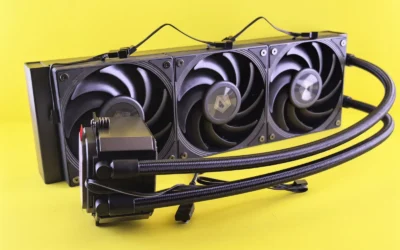
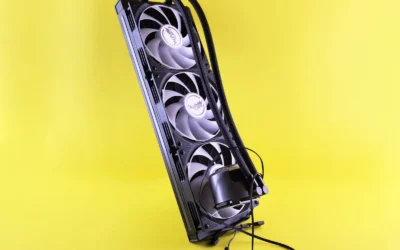
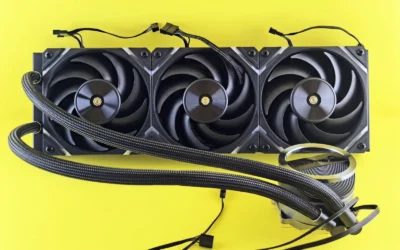
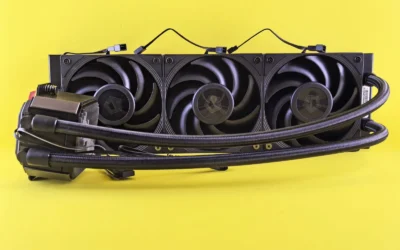
Your central question in this category is air cooler versus AIO. Both can handle a high class chip when sized correctly, but they change your build in different ways. A large dual tower air cooler is quiet, simple, and has fewer points of failure. An AIO gives you more thermal headroom for sustained loads and can help with case airflow when you mount the radiator as intake or exhaust.
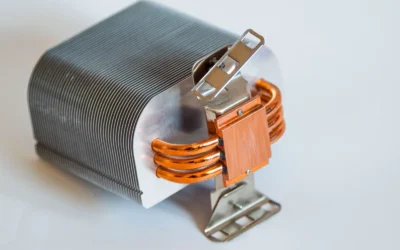
This build chooses a premium air cooler, the Noctua NH-D15 G2 class, to show how far air cooling can go in a well ventilated case. If you prefer an AIO, the same case and board support a 240mm or 360mm radiator, so you can swap without changing the rest of the system. We will explain when each makes sense for you.
Tradeoffs at this level are deliberate. You get 64GB of DDR5 6000 memory and a 2TB Gen5 SSD so your game library and background apps are covered. You do not pay for an overbuilt board or an oversized cooler loop you do not need. If you value silence and simplicity, air is a strong fit. If you plan to push all core loads often or want a cleaner look around the socket, an AIO may suit you better.
Who should pause here? If you play mainly at 1080p, this GPU and CPU class is more than you need and a more modest build will serve you well. If you have a very compact case or you move your PC often, a massive air cooler adds weight and height that you must check carefully. For most gamers targeting 4K or fast 1440p with room to upgrade later, this balanced high class approach is a sensible place to land.
Parts Breakdown
This is the core of our analysis for September 2026. The table compares what is common at this level with our current pick and why we chose it. After the table we explain the choices that affect your experience most.
This article contains affiliate links. If you buy through one of our links, CustomPCGaming may earn a commission at no extra cost to you. Commissions never influence which products we recommend or how we rank them. Read our Affiliate Disclosure for details.
Quick Picks at a Glance

Noctua NH-D15 chromax.Black Dual-Tower CPU Air

AMD Ryzen 9 9900X 12-Core 24-Thread Unlocked

Prime NZXT H7 Flow Mid-Tower ATX Airflow Case
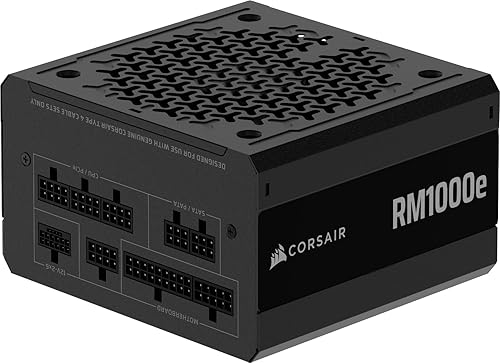
CORSAIR RM1000e 1000W ATX 3.1 Power Supply

Crucial T705 2TB PCIe Gen5 NVMe SSD

Prime G.SKILL Trident Z5 Neo RGB 64GB DDR5 6000 CL30 Kit

ASUS TUF Gaming X870-PLUS WiFi AM5 Motherboard

GIGABYTE GeForce RTX 5070 Ti Gaming OC 16GB GDDR7
As an Amazon Associate we earn from qualifying purchases. Product prices and availability are accurate as of the date/time indicated.
Pros
- Exceptional cooling performance comparable to many 240mm AIO liquid coolers
- Extremely quiet operation with renowned NF-A15 fans and Low-Noise Adaptors
- Premium build quality and long term reliability with 6 year warranty
- Wide compatibility with latest Intel and AMD platforms including AM5 offset mounting
- Includes high grade NT-H1 paste and SecuFirm2 mounting for easy installation
Cons
- Very large 165mm tall design can block tall RAM and requires a spacious case
- Heavy heatsink can make installation awkward and may require removing GPU or fans for access
- Premium price compared to single tower air coolers
The Noctua NH-D15 chromax.Black is the all black edition of Noctua's legendary dual tower flagship cooler. It is built for gamers, overclockers and silent PC enthusiasts who want elite air cooling for modern Intel LGA1851, LGA1700 and AMD AM5 and AM4 systems.
Its extra wide dual tower with six heatpipes and two NF-A15 140mm PWM fans delivers cooling on par with many 240mm AIOs. Real world use shows chips like the Ryzen 9 7950X3D and 7800X3D staying well under control while gaming, with rapid cooldown to low idle temps and very low noise.
Build quality is exceptional, with a copper base and heatpipes, aluminium fins, soldered joints and nickel plating finished in stealth black. The package includes NT-H1 thermal compound, a PWM Y cable, Low-Noise Adaptors and the trusted SecuFirm2 mounting system for a secure and straightforward install.
The main trade off is size, as the 165mm tall and 150mm wide heatsink can interfere with tall RAM and needs a wide case. You may need to raise the front fan or remove it to access memory, and its weight requires careful handling during installation.
Overall, the NH-D15 chromax.Black remains the benchmark for premium air cooling, combining silent operation, top tier thermals and proven long term reliability. If you have the case clearance and want watercooler performance without liquid cooling complexity, it is an outstanding long term investment.
Model: NH-D15 chromax.black, Dual Tower Air Cooler
Fans: 2x NF-A15 HS-PWM chromax.black 140mm, 1500 RPM max, 24.6 dB, PWM with Low-Noise Adaptors and Y-cable
Compatibility: Intel LGA1851, LGA1700, LGA1200, LGA115x and AMD AM5, AM4 with offset mounting
Dimensions: 6.49 x 5.91 x 6.34 inches, 165mm height, 1.3 kg weight
Materials: Copper base and heatpipes, aluminium fins, soldered joints and nickel plating
Included: Heatsink, 2 fans, NT-H1 thermal paste, SecuFirm2 mounting kit, NA-RC7 adaptors, NA-YC1 cable
Pros
- Exceptional gaming performance with 100+ FPS capability in popular titles
- 12 cores and 24 threads excel at content creation, streaming and multitasking
- Unlocked multiplier and Zen 5 architecture offer strong overclocking headroom
- Future-ready AM5 platform with PCIe 5.0 and DDR5 support plus large 76 MB cache
Cons
- CPU cooler not included, requires separate high-performance cooler purchase
- Requires AM5 motherboard and DDR5 memory, not compatible with older AM4 or DDR4 systems
- High core count and boost clocks demand robust power delivery and cooling for peak performance
The AMD Ryzen 9 9900X is a flagship 12-core, 24-thread unlocked desktop processor built on the new Zen 5 architecture for the AM5 platform. It is designed for serious gamers, streamers and creators who need top tier performance for both play and productivity.
With a 5.6 GHz max boost, 76 MB cache and DDR5-5600 support, it delivers ultra smooth 100+ FPS gaming in popular titles while handling demanding multitasking with ease. The 24 threads make video editing, 3D rendering and heavy workloads feel fast and responsive, and the unlocked design lets enthusiasts overclock for even more power.
Built for the state of the art Socket AM5, the 9900X supports PCIe 5.0 on select motherboards for next generation graphics and storage speeds. The Zen 5 architecture improves efficiency and IPC over previous generations, offering a refined balance of raw power and thermal management for long term stability.
The processor does not include a stock cooler, so you will need to budget for a capable air or liquid cooler to keep temperatures in check. It also requires a newer AM5 motherboard and DDR5 RAM, which means upgraders from AM4 will face additional platform costs.
Overall, the Ryzen 9 9900X is an outstanding choice for enthusiasts who want elite gaming performance without sacrificing creator class productivity. If you are building a high end, future proof AM5 system and want unlocked performance to spare, this CPU is hard to beat.
Brand: AMD
Model: Ryzen 9 9900X
Cores / Threads: 12 Cores, 24 Threads, Zen 5 Architecture
Base / Boost Clock: 4.4 GHz Base, 5.6 GHz Max Boost, Unlocked for Overclocking
Cache: 76 MB Total Cache
Memory Support: DDR5-5600
Socket: AM5, Supports PCIe 5.0 on Select Motherboards
Cooler: Not Included
Choose the Ryzen 9 9900X if you want a no compromise CPU for high refresh rate gaming plus heavy creation tasks like editing, streaming and rendering. It is best paired with a quality AM5 motherboard with strong VRMs, DDR5 memory and a high performance cooler.
Make sure your power supply and cooling solution are rated for a high performance unlocked chip. A 240mm or larger AIO liquid cooler or premium air cooler is recommended to sustain boost clocks and allow overclocking headroom.
If you are upgrading from AM4 or DDR4, factor in the cost of a new motherboard and RAM. For pure budget gaming builds, a lower core count Ryzen 7 or Ryzen 5 may offer better value, but for future proofing and multitasking, the 9900X is a top tier investment.
Pros
- Excellent airflow and thermal performance for both CPU and GPU
- Three included front fans provide strong cooling without extra purchases
- Flexible cooling options with support for large front and top radiators
- Smart cable management system simplifies building and improves airflow
- Clean, modern NZXT design with solid metal and plastic construction
Cons
- Bottom fans for dedicated GPU cooling are not included and must be purchased separately
- Only one 3.5 inch internal bay limits traditional hard drive expansion
- Large dimensions and 11.35 kg weight require ample desk or floor space
The NZXT H7 Flow CM-H72FB-01 is a mid-tower ATX airflow case designed for gamers and performance focused builders who prioritize cooling. It balances a relatively narrow footprint with full support for ATX motherboards and high end components.
Its standout feature is dedicated GPU cooling with space for three 120mm bottom fans that feed fresh air directly to the graphics card. Out of the box, three included front fans and high flow mesh panels deliver strong airflow, while support for up to 420mm front and 360mm top radiators makes it ideal for custom liquid cooling.
Build quality is solid with a mix of metal and plastic, clean lines and the signature NZXT minimalist aesthetic in black. The intuitive cable management system with wide channels, hooks and straps keeps the interior tidy and simplifies the build process, even for less experienced builders.
There are a few tradeoffs to consider. The bottom fans for GPU cooling are not included, so you will need to budget for them, and storage expansion is limited with just one 3.5 inch bay. At over 21 inches tall and 11.35 kg, it is still a substantial case that needs adequate space.
Overall, the H7 Flow is a top choice for airflow first builds that need excellent thermal headroom without moving to a full tower. If you want cool, quiet performance, flexible radiator options and a clean showcase for your components, it delivers outstanding versatility.
Model: NZXT H7 Flow CM-H72FB-01, Black, Mid-Tower ATX
Cooling: 3x 120mm front fans included, supports 3x 120mm bottom fans for GPU, up to 420mm front radiator and 360mm top radiator
Motherboard & Expansion: ATX compatible, 7 expansion slots, bottom mount PSU
Storage & I/O: 1x 3.5 inch internal bay, USB ports include USB 3.0 and USB 2.0
Materials & Dimensions: Metal and plastic construction, 18.43 x 9.6 x 21.42 inches, 11.35 kg
Pros
- Fully modular cables simplify building and improve airflow
- ATX 3.1 and PCIe 5.1 ready with included native 12V-2x6 cable and adapter
- Very quiet operation even under heavy gaming loads
- High quality 105C rated capacitors and Gold efficiency for stable power
Cons
- Rifle bearing fan is durable but not as premium as fluid dynamic bearing designs
- 1000W is more than needed for mid range builds, adding unnecessary cost for some users
- No RGB lighting or premium sleeved cables for showcase builds
The CORSAIR RM1000e (2025) is a 1000W fully modular ATX power supply built for high end gaming rigs, creator workstations and future upgrades. It is ideal for users pairing powerful CPUs with RTX 40 series or newer GPUs who want reliable headroom and modern connectivity.
With ATX 3.1 and PCIe 5.1 certification, it handles up to 2x transient GPU excursions and includes a native 600W 12V-2x6 cable plus an adapter. Real world feedback highlights stable power delivery and impressively low noise, even when driving systems like an i9 with RTX 3080 or 3090 under load.
Build quality is solid with a clean matte black finish, compact 140mm depth and fully modular flat black cables that are easy to route. Industrial grade 105C rated capacitors and Cybenetics Gold efficiency ensure steady electrical performance and improved energy use.
There are a few tradeoffs to consider. The 120mm rifle bearing fan is quiet but not as advanced as fluid dynamic options, and the unit lacks RGB or premium braided cables. Builders with mid range systems may also find 1000W is more capacity than they need.
Overall, the RM1000e is a quiet, efficient and builder friendly PSU that offers excellent future proofing for demanding hardware. If you want dependable, low noise power with modern GPU support and a strong warranty, it is a smart long term investment.
Model: CORSAIR RM1000e (2025) CP-9020297-NA, ATX Form Factor, Fully Modular Design
Power and Efficiency: 1000W output, Cybenetics Gold efficiency, 100 to 240V input, Modern Standby compatible
Compliance and Connectors: ATX 3.1 and PCIe 5.1 ready, 1x 24-pin ATX, 2x 8-pin EPS12V, 1x 600W 12V-2x6, 1x PCIe 8-pin, 6x SATA, 2x PATA
Cooling and Build: 120mm rifle bearing fan, air cooling, 105C rated capacitors, 140mm compact casing
Dimensions and Warranty: 5.91 x 5.51 x 3.35 inches, 3.6 pounds, 7 year manufacturer warranty
Pros
- Class leading PCIe 5.0 performance for boot times, game loads and large file transfers
- Large 2TB capacity ideal for gaming libraries and content creation workflows
- Reliable Micron TLC NAND with hardware encryption and 5-year warranty
- Includes Acronis cloning software and Adobe Creative Cloud for easy setup and creation
Cons
- Runs very hot under sustained loads and requires a motherboard or aftermarket heatsink with good airflow
- Requires a Gen5 M.2 slot to reach full advertised speeds, limited benefit on Gen4 systems
- Premium cost compared to PCIe 4.0 drives and no heatsink included in the box
The Crucial T705 2TB is a flagship PCIe Gen5 NVMe M.2 SSD built for hardcore gamers, enthusiasts and creative professionals who demand the fastest storage available. Designed for Intel 13th and 14th Gen and AMD Ryzen 7000 platforms, it is made to eliminate bottlenecks in high end gaming and workstation builds.
In real world use, it delivers blistering sequential reads up to 14,500MB/s and writes up to 12,700MB/s for near instant boot times and game loads. Microsoft DirectStorage optimization reduces latency and CPU overhead, while the generous 2TB capacity easily handles AAA games, 8K video and large creative projects.
Built with Micron 232-layer TLC NAND in a standard M.2 2280 form factor, the drive reflects Crucials trusted quality and reliability. It includes hardware encryption, Acronis True Image for easy cloning and a one month Adobe Creative Cloud All Apps subscription, all backed by a 5-year limited warranty.
The main drawback is heat, as this Gen5 drive runs extremely hot under sustained loads and requires a quality heatsink with strong airflow to avoid thermal throttling. You also need a Gen5 M.2 slot to unlock its full speed, and it carries a premium over PCIe 4.0 alternatives.
Overall, the Crucial T705 is one of the fastest consumer SSDs you can buy and an excellent choice for future proofing a top tier PC. If you have proper cooling and a compatible system, it delivers elite performance that is ideal for competitive gaming, 3D rendering and demanding content creation.
Performance: Up to 14,500MB/s read, 12,700MB/s write, PCIe Gen5 NVMe, Micron 232-layer TLC NAND, 2GB cache
Capacity & Form Factor: 2TB, M.2 2280, 3.15 x 0.87 x 0.15 inches, 9.9g, Black
Compatibility: Intel 13th/14th Gen, AMD Ryzen 7000, Desktop, Workstation, PS5, Xbox Series X/S via M.2 Gen5 slot
Features: Hardware encryption, Microsoft DirectStorage support, heatsink compatible design, requires airflow
Bundle & Warranty: Acronis True Image, Crucial Storage Executive, one month Adobe Creative Cloud All Apps, 5-year limited warranty, Model CT2000T705SSD3
Pros
- Excellent 6000MT/s CL30 performance, the recognized sweet spot for AMD AM5
- High 64GB capacity in a matched 2x32GB kit for future proofing
- Stunning Trident Z5 Neo RGB design with efficient heat dissipation
- Easy EXPO setup and broad AMD motherboard QVL validation
- Limited lifetime manufacturer warranty
Cons
- Requires enabling EXPO in BIOS to reach rated 6000MT/s, defaults to lower JEDEC speed otherwise
- Relatively high 1.40V EXPO voltage runs warmer than lower voltage kits
- Designed for AMD EXPO, Intel users should choose an XMP variant for best compatibility
The G.SKILL Trident Z5 Neo RGB F5-6000J3040G32GX2-TZ5NR is a 64GB DDR5 kit built specifically for AMD AM5 platforms, delivering two matched 32GB modules rated at DDR5-6000. It is designed for gamers, content creators and power users who need high capacity without sacrificing speed on Ryzen 7000 and 9000 systems.
In real world use, DDR5-6000 at CL30-40-40-96 is widely considered the sweet spot for AMD Zen 4 and Zen 5, offering excellent gaming frame rates and low latency. With AMD EXPO enabled in BIOS, the kit hits its rated speed with one click, while the default JEDEC profile ensures reliable booting on any compatible board.
Build quality is premium, with a matte black brushed aluminum heatspreader that dissipates heat efficiently and looks sharp in any build. The integrated RGB bar is bright, fully customizable through motherboard software, and adds flair without being overly bulky for most air coolers.
There are a few caveats to consider. The 1.40V EXPO voltage is higher than many DDR5 kits and reaching the rated speed depends heavily on your CPU and motherboard silicon quality. It is also AMD EXPO focused, so Intel users should choose a Trident Z5 RGB XMP variant for guaranteed compatibility.
Overall, this is a top tier DDR5 kit for AMD enthusiasts who want 64GB of fast, low latency memory with headroom for multitasking and future games. If you are building a high end AM5 gaming or workstation PC and want plug and play EXPO performance with standout looks, this kit is an excellent investment.
Model: F5-6000J3040G32GX2-TZ5NR | Trident Z5 Neo RGB Series | 64GB (2x32GB) DDR5 U-DIMM, 288-pin, Non-ECC
Speed & Timings: Up to 6000MT/s (DDR5-6000) at CL30-40-40-96, 1.40V via AMD EXPO profile. JEDEC default profile for standard boot compatibility.
Compatibility: Validated for AMD X870, X670, B850, B840 and B650 platforms. Check G.SKILL QVL or RAM Configurator for your motherboard.
Features: Matte black aluminum heatspreader, customizable RGB lighting, Intel/AMD desktop compatible form factor. Limited Lifetime Manufacturer Warranty.
To get the rated 6000MT/s, you must enable the AMD EXPO profile in your motherboard BIOS, as the kit will boot at JEDEC default speed otherwise. Enabling EXPO is considered overclocking and stability depends on your CPU memory controller and motherboard.
Do not mix this kit with other memory kits, even of the same model, as mixing can cause stability issues or boot failure. Always install matched kits as sold.
For best results, use a motherboard from the G.SKILL QVL list and update to the latest BIOS before enabling EXPO. Refer to G.SKILL's website for the most current validated configurations.
Pros
- Excellent power delivery easily handles flagship CPUs like the 9800X3D under load
- Plenty of future proof expansion with PCIe 5.0 GPU slot and dual PCIe 5.0 M.2 slots
- TUF durability and effective heatsinks with easy build features like Q-Release and tool-less M.2
- Smooth BIOS experience with EXPO memory support and USB Flashback without CPU needed
- Outstanding modern connectivity including WiFi 7 and dual USB4 ports
Cons
- Only two SATA ports, limiting for users with multiple HDDs or optical drives
- WiFi 7 and Bluetooth drivers may require manual download and are hard to find on the support site
- Bare bones, functional aesthetic with minimal RGB may not suit flashy builds
The ASUS TUF Gaming X870-PLUS WiFi is an ATX motherboard built on the AMD X870 chipset for the AM5 socket, supporting Ryzen 7000, 8000 and 9000 series processors. It is aimed at gamers and DIY builders who want a durable, future proof platform without paying for flagship extras.
In real world use it delivers rock solid performance with high end CPUs like the Ryzen 7 9800X3D and DDR5 6000 memory, handling gaming and demanding workloads without stability issues. You get PCIe 5.0 for both the primary x16 slot and two of the four M.2 slots, plus dual USB4 40Gbps ports and WiFi 7 for next generation speed.
Build quality is a clear strength, with an 8-layer PCB, 16+2+1 80A SPS power stages, alloy chokes and large VRM heatsinks that keep power delivery cool and stable. ASUS adds thoughtful DIY touches like PCIe Q-Release for easy GPU removal, tool-less M.2 latches, EZ Debug LEDs and BIOS Flashback via USB.
There are a few trade offs to consider. The board offers only two SATA ports, which can be limiting if you still rely on multiple hard drives or optical drives. Some users also report that WiFi 7 and Bluetooth drivers do not install automatically and can be tricky to locate on the support site.
Overall, the TUF Gaming X870-PLUS WiFi hits a sweet spot between durability and modern connectivity. If you want a reliable, well cooled foundation for a high performance Ryzen build with plenty of PCIe 5.0 and USB4 headroom, it is an excellent mid range choice.
Socket: AM5 supports AMD Ryzen 7000, 8000 and 9000 Series
Chipset: AMD X870 with 8-layer PCB and 16+2+1 80A SPS power stages
Memory: 4x DDR5 slots, up to 192GB, with EXPO and AEMP support
Expansion: PCIe 5.0 x16 slot with Q-Release, 4x M.2 slots (2x PCIe 5.0, 2x PCIe 4.0)
Networking: WiFi 7 and Realtek 2.5Gb Ethernet
Connectivity: Dual USB4 40Gbps, USB 20Gbps Type-C, HDMI, 17 total USB ports, 2x SATA 6Gbps
Features: AI Overclocking, AI Cooling II, Dynamic OC Switcher, EZ Debug LEDs, BIOS Flashback
Pros
- Excellent native 1440p and 4K performance, even with ray tracing enabled
- Quiet and cool operation thanks to the WINDFORCE triple fan cooler
- High power efficiency compared to previous generation cards
- DLSS 4 Frame Generation delivers a large perceived fps boost with minimal visual artifacts
- 16GB GDDR7 provides plenty of headroom for future games and creative applications
Cons
- Extra large triple fan design requires a spacious case with modern clearances
- RGB lighting on the fans turns off when fans stop in 0 RPM idle mode
- Gaming OC factory overclocked model costs more than base reference designs
The GIGABYTE GeForce RTX 5070 Ti Gaming OC 16G is a high performance graphics card built on NVIDIA Blackwell architecture for gamers and creators who demand smooth 1440p and 4K experiences. It is designed for users upgrading from RTX 20 or 30 series cards who want a major leap in ray tracing, AI and creative workloads.
In real world testing, users report roughly double the performance of an RTX 2080 with similar power draw and much lower noise. With 16GB of GDDR7 memory, enhanced RT and Tensor Cores and DLSS 4 with Frame Generation, it handles maxed out settings and ray tracing at 60 to 100 fps native, and well above 120 fps with DLSS quality mode.
Build quality is premium and gamer focused, featuring GIGABYTEs WINDFORCE triple fan cooling system for efficient thermal control and quiet operation. The card supports PCIe 5.0, offers DisplayPort and HDMI outputs, and delivers up to 8K resolution support in a sturdy, factory overclocked design clocked at 2600 MHz.
The main trade off is physical size, as the triple fan cooler makes this a large card that barely fits in some mid tower cases. Some users also note that RGB lighting on the fans turns off when the fans stop at idle, which may disappoint those who want constant illumination.
Overall, the RTX 5070 Ti Gaming OC strikes an excellent balance between performance and efficiency in the RTX 50 series lineup. If you want flagship level visuals and AI acceleration without the highest tier cost or power demands, this is one of the most compelling choices available.
Graphics Processor: NVIDIA GeForce RTX 5070 Ti, Blackwell architecture, NVIDIA RTX 50 Series
Memory: 16GB GDDR7, 256-bit interface, 2600 MHz memory clock
Clock Speed: 2600 MHz boost clock, factory overclocked Gaming OC edition
Interface: PCI-Express x16, PCIe 5.0 support
Cooling: WINDFORCE cooling system with 3 fans and 0 RPM fan stop
Outputs: DisplayPort and HDMI, maximum resolution 7680 x 4320
Dimensions and Weight: 13.46 x 5.59 inches, 3.9 pounds, triple slot design
Model: GV-N507TGAMING OC-16GD, 3 year manufacturer warranty
Choose this card if you game at 1440p or 4K, use ray tracing, or create content that benefits from large VRAM and AI acceleration. It is a strong upgrade from RTX 2080, 3070 and 3080 class cards and pairs well with modern Ryzen 7, Ryzen 9 or Intel Core i7 and i9 systems.
Make sure your case has enough clearance for a large triple fan card and that your power supply meets the recommended wattage with proper PCIe power connectors. Good airflow will help you get the quietest operation and best boost clocks.
For the best experience, enable DLSS 4 in supported games to boost frame rates while keeping image quality high. Keep drivers updated through NVIDIA GeForce Experience and use GIGABYTE Control Center to customize fan curves and RGB if desired.
| Part | Common at this level | Our 2026 pick | Why |
|---|---|---|---|
| CPU | a cpu in the same class | AMD Ryzen 9 9900X | a current platform match for this GPU tier so the processor does not hold it back |
| GPU | a gpu in the same class | PNY GeForce RTX 5070 Ti | the class of card this build is planned around |
| Motherboard | a motherboard in the same class | ASUS TUF Gaming X870-PLUS WiFi | a board with a proven VRM and the I/O this build needs, without paying for features it will not use |
| Memory | a memory in the same class | G.Skill Trident Z5 Neo 64GB DDR5 6000 | the tuned capacity and speed sweet spot for this platform |
| SSD | a ssd in the same class | Crucial T705 2TB Gen5 | responsive storage sized for a modern game library |
| Power Supply | a power supply in the same class | Corsair RM1000e | a modern ATX 3.1 unit with headroom above the combined draw of the CPU and GPU |
| Case | a case in the same class | NZXT H7 Flow 2024 | good stock airflow and clearance for the cooler and graphics card in this build |
| CPU Cooler | a cpu cooler in the same class | Noctua NH-D15 G2 | quiet, capable cooling that keeps this CPU in its normal boost range |
The graphics card defines this build. The GIGABYTE GeForce RTX 5070 Ti Gaming OC 16G brings 16GB of GDDR7 on a 256 bit interface with PCIe 5.0 and a WINDFORCE cooling system. It is built on the NVIDIA Blackwell architecture with DLSS 4 support. At 4K and high refresh 1440p, this class of card is what sets your settings ceiling, so the rest of the system is chosen to let it run without constraint.
The processor is chosen to match that card. The AMD Ryzen 9 9900X 12-Core offers 12 cores and 24 threads on Zen 5 with a 5.6 GHz Max Boost and 76 MB cache, plus DDR5-5600 support on the AM5 platform. In practice, that means you have headroom for games that like strong single thread performance and for background tasks like voice chat, browser tabs, and streaming tools. Owners commonly report smooth operation when the cooler and case airflow are set up correctly.
Cooling is where your personal preference matters most. The Noctua NH-D15 chromax.Black represents the air cooling approach with its extra wide 140mm dual tower design, six heatpipes, and dual NF-A15 fans with PWM control and Low Noise Adaptors. It is rated for quiet operation and includes NT-H1 paste and a SecuFirm2 mounting system for AM5 and AM4. If you compare it to an AIO, you trade a bit of peak thermal headroom for simplicity and long term ease of ownership. For more on radiator sizing, see our guide to 240mm AIO vs 360mm AIO for gaming and our air cooler comparison Thermalright Peerless Assassin 120 SE vs Noctua NH-D15 G2.
Compatibility Check
Will a large air cooler fit without blocking your memory, and would a 360mm AIO fit if you want it later? That is the question most builders at this level ask first, and the answer here is yes with careful checks. This case and board combination is designed for big coolers and triple fan cards, but you still need to verify clearance and connectors before you buy.
This build is AM5. Use a 32GB DDR5 6000 CL30 kit, and if you drop in a newer chip later check the board support page and use BIOS Flashback if a flash is needed. The ASUS TUF Gaming X870-PLUS WiFi is ready for Ryzen 9000, 8000 and 7000 series on the AM5 socket, with a 16+2+1 power stage design rated at 80A SPS, an 8 layer PCB, ProCool connectors, and alloy chokes and durable capacitors for stable delivery. It also brings DDR5 support, PCIe 5.0 on the primary x16 slot with Q Release, four M.2 slots with two that support PCIe 5.0, Wi-Fi 7, Realtek 2.5Gb Ethernet, HDMI, dual USB4 40Gbps ports, and USB 20Gbps Type-C.
BIOS updates and overclocking are done at your own risk and may void warranty. If your board ships with an older BIOS that does not recognize a newer CPU, use BIOS Flashback per the manual rather than forcing a boot. Handle all parts with anti static precautions, power off and unplug before working inside, and follow the board and cooler instructions for mounting pressure and fan headers.
Memory support is straightforward on this platform when you stay near the sweet spot. The G.SKILL Trident Z5 Neo RGB Series DDR5 RAM kit in this build is 64GB as 2x32GB, rated up to 6000MT/s at CL30-40-40-96 and 1.40V with AMD EXPO. The board QVL lists validated kits, and the general guidance for AM5 is to use DDR5 6000 CL30 for balanced performance. Do not mix kits, enable EXPO in BIOS if you want the rated speed, and expect the system to boot at JEDEC defaults before you apply the profile.
Graphics card and case fit is generous but still worth confirming. A triple fan card and a 240 or 360mm radiator fit a standard mid tower. The NZXT H7 Flow is a mid tower ATX airflow case with high performance mesh panels, three front mounted 120mm fans included, support for three bottom mounted 120mm fans for direct GPU cooling, and radiator support up to 420mm in front and 360mm on top. That gives you room for a long triple fan RTX 5070 Ti and for either a tall air cooler or a large AIO. Check the card length against the case GPU clearance and make sure your PCIe power routing does not press against the side panel.
CPU cooler clearance is the air versus AIO decision point. For air, check cooler height against the case CPU cooler clearance and check RAM height under the front fan. The Noctua NH-D15 chromax.Black uses 140mm fans on a dual tower and can overhang the nearest DIMM slots, so low profile memory or a slight fan height adjustment may be needed. For an AIO, check radiator thickness plus fan thickness against front or top clearance, and confirm that your chosen mount point does not interfere with the top edge of the motherboard or the memory. Follow the cooler mounting instructions for AM5 offset options and even pressure.
Power and connectors need headroom and the right cable. Size the supply above the combined draw of the CPU and GPU, follow the card maker recommended wattage, and use a native 12V-2×6 cable for an RTX 50 card. The CORSAIR RM1000e (2025) ATX 3.1 PCIe 5.1 Ready is a 1000W fully modular unit that is ATX 3.1 certified, supports PCIe 5.1 with a native 12V-2×6 connector, uses a 120mm rifle bearing fan with a tuned fan curve, and is built with 105 degree C rated capacitors. Do not use adapters or splitters that are not rated for the card, seat the 12V-2×6 connector fully until it clicks, and route it with a gentle bend to avoid strain.
Storage and I/O are simple here. The Crucial T705 PCIe Gen5 NVMe 2TB SSD is designed for M.2 Gen5 slots and lists sequential reads up to 14,500MB/s and writes up to 12,700MB/s, with Micron TLC NAND. Install it in a Gen5 M.2 slot with the board heatsink or a compatible heatsink for sustained loads. For more on fitting large coolers and radiators in this chassis, see how to choose a case for GPU clearance and radiator support. For broader cooling advice, browse our CPU Cooling archive.
Performance: What To Expect
No verified frame rate numbers are available for this build, so we will keep this section qualitative and will not invent figures. That approach protects you from misleading expectations and keeps the focus on how the parts work together in real use.
In general, this CPU and GPU pairing is intended to let the graphics card set the limit at 4K and high refresh 1440p while the processor stays out of the way. The 16GB GDDR7 frame buffer on the RTX 5070 Ti class helps with high resolution textures, and the 12 core Zen 5 chip gives you room for background tasks while you game. Owners commonly report that DDR5 6000 memory with a tight CL30 profile helps keep the platform responsive when you have many apps open.
Your cooler choice changes noise and boost behavior more than it changes average frame rates at this resolution. A dual tower air cooler like the Noctua NH-D15 class keeps the Ryzen 9 9900X in its normal boost range with low noise at idle and steady acoustics under load. A 360mm AIO can hold lower temperatures for longer all core work and may let the CPU sustain boost a bit longer in heavy creation tasks, but at 4K gaming the difference you feel is often quieter fans or a different case airflow pattern rather than a large jump in smoothness.
Storage and memory affect how fast you get into games and how smooth multitasking feels. A Gen5 drive like the Crucial T705 with up to 14,500MB/s reads helps with boot and load times when installed in a Gen5 slot with proper cooling. The 64GB DDR5 6000 kit gives you headroom for large game installs, browser sessions, and content tools without needing to close apps before you play.
Three Ways to Build This
Lower Cost Version
Go one GPU tier down with a cheaper CPU, a budget air cooler, a 1TB drive and an entry board. You keep the same 4K capable class but trim capacity and board features to lower the total. This suits a first build on a tight budget where you want to get in the door and upgrade storage or cooler later.
Balanced Version, The One We Recommend
This is the parts list in the table: AMD Ryzen 9 9900X, PNY GeForce RTX 5070 Ti, ASUS TUF Gaming X870-PLUS WiFi, G.Skill Trident Z5 Neo 64GB DDR5 6000, Crucial T705 2TB Gen5, Corsair RM1000e, NZXT H7 Flow 2024, and Noctua NH-D15 G2. It is the sweet spot for most gamers who want headroom to upgrade later without overspending on features that do not change your gaming experience.
Higher End Version
Move up a GPU tier and to a Ryzen 7 9800X3D or Ryzen 9 9950X3D with a 360mm AIO and a 1000W supply. You gain thermal headroom and high refresh headroom for years of use, with a radiator that fits the H7 Flow in front or on top. Choose this if you chase the highest refresh rates, stream and create often, or want the longest runway before your next major upgrade.
FAQ
Is an air cooler enough for a Ryzen 9 9900X in a high class gaming PC?
Yes when you use a large dual tower cooler with good case airflow. The Noctua NH-D15 class is designed to keep this CPU in its normal boost range with quiet operation, and owners commonly report stable performance when mounting pressure and fan curves are set correctly.
Should I choose a 240mm or 360mm AIO instead of air for 4K gaming?
For gaming at 4K, both air and a well mounted AIO will serve you well, so choose based on noise, looks, and work outside gaming. A 360mm AIO gives you more headroom for long all core tasks and can simplify RAM clearance, while a 240mm AIO is easier to fit up top. Check radiator and fan thickness against your case support, which in the H7 Flow is up to 420mm front and 360mm top.
Do I need 64GB of DDR5 6000 for gaming or is 32GB enough?
32GB of DDR5 6000 CL30 is enough for most gamers and is the common sweet spot for AM5. The 64GB kit in this build is chosen for heavy multitasking and future headroom, and it runs via AMD EXPO at up to 6000MT/s CL30-40-40-96. If you rarely exceed 32GB, you can start there and add capacity later with a matched kit.
Final Verdict
This high class build gives you a balanced path to 4K and fast 1440p without waste. The Ryzen 9 9900X and RTX 5070 Ti pairing keeps the platform balanced, the X870 board covers modern I/O, and the H7 Flow with either a big air cooler or a 360mm AIO lets you tune noise and thermals to your taste.
Our pick: the Balanced Version we recommend with the Noctua NH-D15 G2 for most gamers who want quiet, simple cooling and room to upgrade. If you create content often or you prefer the look and RAM clearance of an AIO, choose the Higher End Version with a 360mm radiator and the same core parts.
These picks are not ideal for low-power CPUs that ship with an adequate stock cooler, or for cases without the clearance for a large air cooler or radiator; measure before buying.

Write Your Review
No reviews yet. Be the first to share your experience!