

Video credit: Digitalife. Original video: https://www.youtube.com/watch?v=CCUTZXhTu9I. This is our own independent breakdown and is not affiliated with the video creator. As an Amazon Associate, CustomPCGaming earns from qualifying purchases. Product prices shown in the video may have changed.
Watch the build
Parts in this build
- AMD Ryzen 5 5600
- Sparkle Arc B580 Titan
- Gigabyte B550 AORUS Elite AX V2
- G.Skill Ripjaws V 32GB DDR4 3600
- Crucial P3 Plus 2TB
- MSI MAG A650BN
- DeepCool CH560
- Thermalright Peerless Assassin 120 SE
Parts list is our summary of the video for reference. Confirm current specs and price on the retailer page before buying.
This is our independent parts analysis and is not affiliated with the video creator. As an Amazon Associate, CustomPCGaming earns from qualifying purchases. Product prices shown in the video may have changed.
Watch: The Build Video
The video embedded on this page shows a build in this class, not this exact parts list. It is useful to see how a budget class system comes together in November 2026, from case layout to cable routing and airflow planning. Use it as a visual reference for what to expect at this budget and performance level, while the parts list below reflects our own independent picks for 2026.
This class is aimed at smooth 1080p gaming with headroom for entry 1440p when you tune settings. You get a balanced CPU and GPU pairing, practical cooling and a case that prioritizes airflow and low noise over extra features you will not use.
What This Build Is
This quiet and thermally optimised gaming pc build in the budget class breakdown is built around the AMD Ryzen 5 5600 and the Sparkle Arc B580 Titan class graphics card. That pairing is chosen so the processor does not hold the card back at 1080p, which is where most gamers in this budget spend the majority of their time. You also get enough headroom to step up to entry 1440p in many titles if you are willing to adjust detail presets.
The platform is AM4, the older and more affordable AMD socket that still makes sense when you want to put more of your budget into the CPU and GPU. You stay on DDR4, you keep board costs down, and you retain a wide selection of coolers and cases. For 2026 this remains a practical way to build a quiet system without paying for a newer platform you do not need at this performance level.
At this level most builds make the same tradeoffs. You choose a proven B550 board with solid power delivery and the I/O you actually need, rather than a premium board with extra lanes or overclocking features you will not use. You pick a tuned 32GB DDR4 kit at a sensible speed, a responsive 2TB SSD for a modern library, and a case with good stock airflow. Cooling is handled by a capable dual tower air cooler that keeps noise low and keeps the CPU in its normal boost range.
Thermals and noise are central to this breakdown. The DeepCool CH560 class case provides mesh airflow and clearance for tall air coolers and longer graphics cards, while the Thermalright Peerless Assassin 120 SE class cooler uses dual 120mm PWM fans to move air efficiently at modest speed. That combination lets you keep fan curves relaxed without giving up stability. If you value a quiet room, this approach is more effective than adding extra fans or chasing a larger liquid cooler you do not need for a 65W class CPU.
Who is this for and who should skip it. This build suits you if you want a straightforward 1080p system that is easy to assemble, easy to keep cool, and easy to upgrade later with a GPU or storage change. You should not choose this exact AM4 and DDR4 path if you know you want a long term move to DDR5, PCIe 5.0 storage, or a high end Ryzen 7 9800X3D or Ryzen 9 9950X3D later without a platform change. In that case you would be better served by a newer socket from the start, even though it raises the entry cost.
We also keep the power and upgrade path realistic. A modern ATX 3.1 unit in the 650 to 750W range is plenty for an entry to mid card in this class, and it leaves headroom above the combined draw of the CPU and GPU when you follow the GPU maker recommended wattage. For more on how we think about cases and cooling, see our guides to mesh front case vs tempered glass front case and Cases & Airflow.
Parts Breakdown
This is the core of our quiet and thermally optimised gaming pc build in the budget class breakdown for 2026. The table shows what is common at this level and what we would pick now, then we explain the key choices in more detail.
This article contains affiliate links. If you buy through one of our links, CustomPCGaming may earn a commission at no extra cost to you. Commissions never influence which products we recommend or how we rank them. Read our Affiliate Disclosure for details.
Quick Picks at a Glance
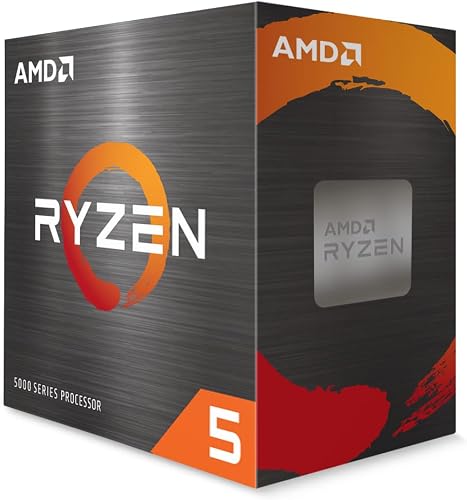
AMD Ryzen 5 5600 6-Core 12-Thread Unlocked Desktop

Prime Thermalright Peerless Assassin 120 SE CPU Cooler

G.SKILL Ripjaws V 32GB DDR4 3200MHz CL16 (2x16GB)
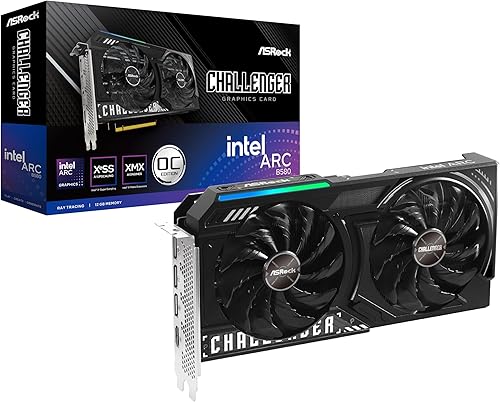
ASRock Intel Arc B580 Challenger 12GB OC Graphics
As an Amazon Associate we earn from qualifying purchases. Product prices and availability are accurate as of the date/time indicated.
Pros
- Outstanding price to performance ratio for gaming and multitasking
- Runs cool and stable even under moderate to heavy workloads
- Easy drop-in upgrade for existing AM4 systems with DDR4 memory
- Unlocked multiplier provides useful overclocking headroom
- Strong single core speed for responsive gameplay
Cons
- Stock Wraith Stealth cooler can get noisy under load, aftermarket cooler recommended for overclocking
- Limited to AM4 platform, not compatible with newer AM5 and DDR5 systems
- Reports of inconsistent retail packaging and potential for bent pins during shipping
The AMD Ryzen 5 5600 is a 6-core, 12-thread unlocked desktop processor designed for gamers and everyday creators on the AM4 platform. It is perfect for building a capable 1080p or 1440p system or upgrading from an older Ryzen 2000 or 3000 series CPU.
In real world use it delivers fast, responsive gaming and smooth multitasking thanks to its 4.4GHz boost clock and large 35MB cache. Users report stable temperatures and consistent performance during gaming and productivity, with extra headroom for overclocking when paired with a B550 motherboard.
Design is compact and efficient with a 65 watt TDP and simple installation on Socket AM4. The included Wraith Stealth Cooler provides adequate cooling for stock operation and makes it a complete out of the box solution for budget conscious builders.
Drawbacks include noticeable fan noise from the stock cooler under heavy loads and being limited to the older AM4 and DDR4 ecosystem. Some buyers have also noted damaged packaging on delivery, so it is wise to inspect pins carefully before installation.
Overall, the Ryzen 5 5600 remains one of the best value processors for the AM4 platform, offering modern gaming performance, efficiency and unlocked flexibility. For anyone wanting a reliable and affordable upgrade without changing platforms, it is an outstanding choice.
Processor: AMD Ryzen 5 5600, 6 Cores, 12 Threads, up to 4.4GHz Boost Clock
Platform: Socket AM4, 65W TDP, Unlocked for Overclocking, Windows Compatible
Cache: 35MB Total Cache Memory, 32MB L3 Secondary Cache
Cooler and Package: Wraith Stealth Cooler Included, Model 100-100000927BOX
Warranty: 3 Year Manufacturer Warranty, Dimensions 1.57 x 1.57 inches
Pros
- Excellent cooling performance for its class with dual tower and six heat pipe layout
- Very quiet operation even at full 1550 RPM with PWM control
- Broad support for latest Intel and AMD sockets
- Solid build quality with copper base and aluminum heatsink
- Efficient dual fan setup without the complexity of liquid cooling
Cons
- Tall 155mm height requires a mid tower or larger case, compatibility check is essential
- AMD installation requires the original motherboard backplate which is not included
- Bulky 907g dual tower design can make installation tight in compact builds
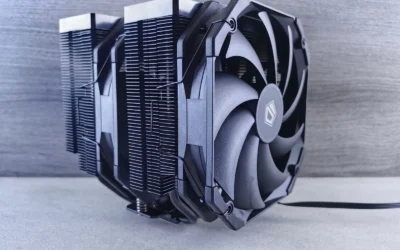
The Thermalright Peerless Assassin 120 SE is a dual tower air cooler designed for gamers, enthusiasts and PC builders who want high end cooling without an AIO. It targets users running modern Intel LGA 1700 and 1851 or AMD AM4 and AM5 CPUs who need reliable thermal headroom for gaming and multitasking.
In real world use, the six AGHP copper heat pipes and dual 120mm PWM fans deliver impressive heat dissipation while staying efficient. With up to 66.17 CFM airflow and a max speed of 1550 RPM, it keeps temperatures low under load while maintaining noise at just 25.6 dB for quiet operation.
Build quality is a clear strength thanks to the pure copper base, nickel plated heat pipes and dense aluminum fin stacks joined by reflow welding. The dual TL-C12C fans use a 4 pin PWM connection for precise speed control and the offset tower design helps preserve RAM clearance on most motherboards.
The main drawback is its size, as the 125 x 135 x 155mm footprint demands a spacious case and careful compatibility checks. Installation on AMD systems also requires reusing the original motherboard backplate, which can be inconvenient if it was misplaced.
Overall, the Peerless Assassin 120 SE offers best in class air cooling performance, quiet operation and broad socket support at an accessible point. It is an excellent choice for anyone wanting powerful, reliable CPU cooling without the cost or maintenance of liquid cooling.
Model: Thermalright PA120 SE Dual Tower CPU Cooler
Dimensions: 125 x 135 x 155mm (4.92 x 5.31 x 6.1 inch)
Heat Pipes: 6 x 6mm pure copper with AGHP technology
Fans: 2 x TL-C12C 120mm PWM, 1550 RPM ±10%, 66.17 CFM, 25.6 dB(A), 4-Pin 12V
Compatibility: Intel LGA 115X / 1200 / 1700 / 1851 and AMD AM4 / AM5
Materials: Aluminum fins, pure copper base and heat pipes, metal mounting kit
Weight: 907g
Pros
- Strong performance and value for a 32GB DDR4 gaming kit
- Easy installation with reliable XMP/DOCP activation
- Low-profile design fits compact builds and large air coolers
- Excellent compatibility with both Intel and AMD systems
- Backed by limited lifetime warranty and strong brand reputation
Cons
- Must enable XMP/DOCP/A-XMP in BIOS to reach advertised 3200MT/s, defaults to slower JEDEC speed otherwise
- DDR4 only, not compatible with DDR5 motherboards
- Mixing kits is not recommended, requires buying a new matched kit to expand capacity
The G.SKILL Ripjaws V F4-3200C16D-32GVK is a 32GB DDR4 U-DIMM kit containing two matched 16GB modules rated at 3200MT/s CL16-18-18-38. It is built for desktop gamers, streamers and PC builders who need dependable dual-channel capacity for modern games and multitasking.
In real-world use, the kit delivers quick, responsive performance with low latency and stable operation once XMP is enabled. Users report smooth gaming, improved multitasking headroom and hassle-free boot compatibility on both Intel and AMD DDR4 platforms.
Build quality is solid with a sleek matte black aluminum heatsink that dissipates heat efficiently. The low-profile 42mm height ensures broad clearance for large CPU coolers and keeps the build looking clean without RGB extra bulk.
Drawbacks are typical for performance DDR4. You must manually enable the XMP profile in BIOS to hit the rated 3200 speed, and mixing this kit with other kits can cause instability. It also offers no upgrade path to DDR5 systems.
Overall, the Ripjaws V 32GB 3200 CL16 kit is a proven, no-fuss upgrade for DDR4 desktops. For gamers and builders wanting reliable speed, easy setup and long-term stability, it remains a top value choice.
Capacity: 32GB (2x16GB) Dual Channel Kit, Model F4-3200C16D-32GVK
Memory Type: DDR4 U-DIMM, 288-Pin, Non-ECC, 1.35V
Speed and Timing: 3200MT/s, CL16-18-18-38, Data Rate 3200MHz
Features: Intel XMP 2.0, JEDEC default profile, Ripjaws V black heatsink
Compatibility: Desktop PCs, Intel and AMD DDR4 platforms, check G.SKILL QVL
This kit will boot at JEDEC default speed at stock BIOS settings on compatible hardware. To reach the rated 3200MT/s, enable XMP, DOCP or A-XMP in your motherboard BIOS.
Always install matched kits as a set and avoid mixing kits, as mixing can cause stability issues or boot failure. Refer to the G.SKILL QVL or RAM Configurator to verify motherboard and CPU compatibility before purchase.
Enabling XMP is considered overclocking and stability depends on your motherboard and CPU memory controller. Ensure your system supports DDR4 U-DIMM and 1.35V operation.
Pros
- Excellent 1440p performance with generous 12GB VRAM for modern games
- Very quiet and cool operation with 0dB fan stop technology
- Strong value compared to high priced flagship GPUs
- XeSS 2 upscaling and AV1 encode support for gaming and content creation
- Solid build quality with metal backplate and compact 2-slot design
Cons
- Intel Arc drivers still maturing, occasional game compatibility or shading quirks reported
- Requires 650W power supply and 249mm case clearance, check fit before purchase
- HDMI 2.1 support limited on Linux and no CEC support
The ASRock Intel Arc B580 Challenger 12GB OC is a mid-range graphics card built on Intel's Xe2-HPG architecture, designed for gamers targeting smooth 1080p and 1440p performance. It is ideal for budget conscious builders, casual creators, and anyone wanting modern features without paying flagship prices.
In real world use, the factory overclock to 2740 MHz and 19 Gbps memory delivers consistently high frame rates in demanding titles, with users reporting stable, stutter free gameplay at 1440p ultra settings. Support for Xe Super Sampling 2 and 160 XMX AI engines boosts performance further, while 12GB of GDDR6 on a 192-bit bus handles high resolution textures and AV1 encoding with ease.
ASRock's dual fan design with striped axial fans and 0dB Silent technology keeps the card cool and virtually silent under light loads, and the metal backplate with thermal pads adds rigidity and heat dissipation. At 249mm long with a 2-slot footprint and single 8-pin power connector, it fits most mid-tower cases and installs easily.
There are a few caveats to consider. Intel's Arc drivers have improved greatly but can still show occasional shading quirks or compatibility issues with less common games, and Linux users may find HDMI 2.1 support incomplete. You will also need a 650W power supply and to verify case clearance before buying.
Overall, the B580 Challenger offers outstanding value, combining strong 1440p performance, generous VRAM, and creator friendly features in a quiet, well built package. If you want reliable high refresh gaming and future ready connectivity at a sensible price, this is one of the smartest mid-range choices available.
GPU: Intel Arc B580, Xe2-HPG Architecture, 160 XMX Engines, 2740 MHz Boost Clock
Memory: 12GB GDDR6, 192-Bit Bus, 19 Gbps Memory Speed
Interface: PCI Express 4.0 x8, 1x 8-pin Power Connector, 650W PSU Recommended
Cooling: Dual Fan with Striped Axial Design, 0dB Silent Operation, Metal Backplate with Thermal Pad
Connectivity: 3x DisplayPort 2.1, 1x HDMI 2.1a, Supports 4 Displays up to 7680 x 4320
Dimensions: 2-Slot Design, 249mm Length, 999g Weight
Features: XeSS 2 Support, AV1 Encode, LED Indicator, Super Alloy Construction
| Part | Common at this level | Our 2026 pick | Why |
|---|---|---|---|
| CPU | a cpu in the same class | AMD Ryzen 5 5600 | a current platform match for this GPU tier so the processor does not hold it back |
| GPU | a gpu in the same class | Sparkle Arc B580 Titan | the class of card this build is planned around |
| Motherboard | a motherboard in the same class | Gigabyte B550 AORUS Elite AX V2 | a board with a proven VRM and the I/O this build needs, without paying for features it will not use |
| Memory | a memory in the same class | G.Skill Ripjaws V 32GB DDR4 3600 | the tuned capacity and speed sweet spot for this platform |
| SSD | a ssd in the same class | Crucial P3 Plus 2TB | responsive storage sized for a modern game library |
| Power Supply | a power supply in the same class | MSI MAG A650BN | a modern ATX 3.1 unit with headroom above the combined draw of the CPU and GPU |
| Case | a case in the same class | DeepCool CH560 | good stock airflow and clearance for the cooler and graphics card in this build |
| CPU Cooler | a cpu cooler in the same class | Thermalright Peerless Assassin 120 SE | quiet, capable cooling that keeps this CPU in its normal boost range |
The most important choice is the graphics card class. The build is planned around a B580 class card with 12GB GDDR6 on a 192 bit bus, a 19 Gbps memory clock and a GPU clock of 2740 MHz per the spec sheet for the Graphics Cards tier we evaluated. That card is the ASRock Intel Arc B580 Challenger 12GB OC Graphics in our buyable list, which uses a 2 slot design, is 249mm long, needs one 8 pin power connector and lists a 650W power supply recommendation. It also supports PCIe 4.0, DisplayPort 2.1 and HDMI 2.1a, and includes dual fan cooling with 0dB Silent operation that stops the fans at low temperatures.
The CPU choice keeps that card fed. The AMD Ryzen 5 5600 6-Core, 12-Thread Unlocked is a 6 core, 12 thread unlocked desktop processor that includes a Wraith Stealth Cooler in the box. We pair it with the Thermalright Peerless Assassin 120 SE CPU Cooler for quieter operation and more thermal headroom. That cooler is 125 by 135 by 155mm, uses six 6mm heat pipes with AGHP technique, a pure copper base and dual 120mm PWM fans rated up to 1550 RPM, up to 66.17 CFM airflow and a noise level at or below 25.6 dB(A). Owners commonly report that this class of dual tower cooler keeps the Ryzen 5 5600 in its normal boost range without needing aggressive fan speeds.
Memory and storage are chosen for balance, not excess. The G.SKILL RipjawsV Series DDR4 RAM (XMP) kit in our data is a 32GB kit with two 16GB modules rated for up to DDR4 3200 at CL16 18 18 38 and 1.35V, with a JEDEC default profile and an Intel XMP profile. On AM4, a tuned 32GB DDR4 3600 kit is often described as the sweet spot, and this RipjawsV kit gives you the capacity and profile support you need while staying within DDR4. For storage, a 2TB drive like the Crucial P3 Plus class keeps your active library installed and load times responsive, which matters more day to day than chasing a faster sequential number you will not notice in games.
Compatibility Check
Will all of these parts work together without surprises. That is the question most first time builders ask at this budget, and the answer for this list is yes if you check a few details before you buy.
This build is AM4, the older and cheaper platform, DDR4 only, and some boards need a BIOS update for an X3D chip, so check the support page first. Keep memory to a tuned 32GB DDR4 3600 kit. Clearances are the same as any mid tower, and a 650 to 750W unit is plenty for an entry to mid card. That guidance matches the platform knowledge for B550 and the GPU maker recommendation in our data, which lists a 650W power supply for the B580 class card.
Socket and chipset first. The AMD Ryzen 5 5600 uses the AM4 socket and the Gigabyte B550 AORUS Elite AX V2 is a B550 board, so the pairing is correct. B550 gives you PCIe 4.0 support for the graphics slot and for an NVMe SSD, which aligns with the PCIe 4.0 interface on the B580 class card. If you later consider a Ryzen 7 5800X3D or other X3D option on the same board, you must verify BIOS support on the manufacturer support page and follow the update instructions exactly. BIOS updates are done at your own risk and may void warranty if done incorrectly, so read the board manual, use a stable power source, and do not interrupt the process.
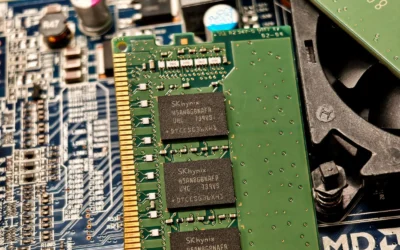
Memory support is straightforward but worth confirming. AM4 is DDR4 only, so do not buy DDR5 for this board. The RipjawsV kit is a DDR4 U DIMM, 288 pin, non ECC kit for desktop PCs, and it includes both a JEDEC default profile and an XMP profile. For best results, install the two modules in the board recommended slots for dual channel, enable the appropriate profile in BIOS, and avoid mixing kits. Mixing memory kits will result in stability issues or system failure per the memory maker guidance, so buy the full 32GB as a matched kit from the start.
GPU length and slot clearance. The B580 class card in our data is a 2 slot card that is 249mm long and requires one 8 pin power connector. That length fits comfortably in a mid tower like the DeepCool CH560 class, which is designed with good stock airflow and clearance for longer graphics cards. Still, you should verify chassis clearance before purchase, especially if you add front radiator support later or use a particularly thick front panel. Confirm that the case you receive has an open PCIe slot area and that the card will not interfere with front mounted drives or cables. For help visualizing fit, see how to choose a case for GPU clearance and radiator support.
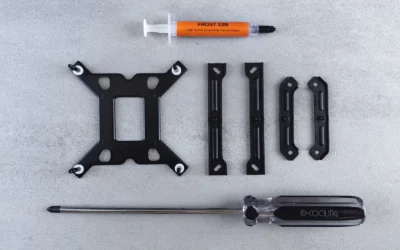
CPU cooler clearance. The Thermalright Peerless Assassin 120 SE is 155mm tall, which is within the typical limit for mid towers but must be checked against your specific case spec sheet. The cooler supports AMD AM4 and AM5 and Intel LGA 115X, 1200, 1700 and 1851 with the included hardware, and for AMD it uses the original motherboard built in backplate. Follow the mounting instructions closely, tighten in the recommended sequence, and leave room for your RAM. The cooler is designed to leave room for memory, but tall heat spreaders can still be tight, so check the board QVL or the cooler manual for RAM height guidance.
Power supply headroom and connectors. The MSI MAG A650BN class unit is a modern ATX 3.1 supply, and a 650 to 750W unit is plenty for an entry to mid card when you follow the GPU maker recommended wattage. Our B580 class card lists a 650W recommendation and a single 8 pin connector, so a quality 650W supply provides headroom above the combined draw of the CPU and GPU under gaming loads. Do not assume a smaller supply will handle any card, always follow the GPU maker recommendation, use the correct PCIe power cable without adapters, and handle all power work with the system unplugged. Use anti static handling throughout the build and keep the PSU switch off until all connections are seated.
Storage and I/O. A 2TB NVMe SSD gives you room for your operating system, launchers and a rotation of large games without constant uninstalls. B550 boards typically provide at least one PCIe 4.0 M.2 slot, which matches the responsive storage goal for this build. For the board I/O, the AORUS Elite AX V2 class provides the proven VRM and connectivity you need for this tier without paying for extra features you will not use, which is exactly the tradeoff that keeps this budget build quiet, cool and cost effective.
Performance: What To Expect
No verified frame rate numbers are available for this build, so we will keep this section qualitative and will not invent figures. That is intentional, because frame rates vary with game, settings, resolution, driver version and background tasks, and we have not physically run this exact configuration.
What you can expect in practice is a balanced 1080p experience with the option to try entry 1440p. The Ryzen 5 5600 class CPU is chosen so it does not hold back the B580 class GPU at 1080p, which helps keep frame pacing consistent when the scene gets busy. The 12GB of GDDR6 on a 192 bit bus at 19 Gbps gives you headroom for modern textures, and support for Xe Super Sampling 2 can help you trade a small amount of image softness for smoother motion if you enable it in supported titles.
The supporting parts shape the experience as well. A tuned 32GB DDR4 kit keeps background tasks and browser tabs from crowding your games, and a 2TB SSD keeps level loads responsive and lets you keep more games installed. The dual tower air cooler and mesh airflow case keep temperatures in a comfortable range at modest fan speeds, so you can keep noise low during long sessions. If you want more on how cooler size affects noise and thermals, see 240mm AIO vs 360mm AIO for gaming, even though this build uses air cooling, the principles for radiator and case airflow still apply.
Three Ways to Build This
Lower cost version
Go one GPU tier down with a cheaper CPU, a budget air cooler, a 1TB drive and an entry board. You keep the same quiet and thermally optimised approach but trim capacity and headroom to hit a tighter budget. This suits a first build on a tight budget where you want to get gaming now and add storage or a stronger GPU later.
Balanced version, the one we recommend
This is the parts list in the table above: AMD Ryzen 5 5600, Sparkle Arc B580 Titan class with the ASRock Intel Arc B580 Challenger 12GB OC Graphics as the buyable card, Gigabyte B550 AORUS Elite AX V2, G.Skill Ripjaws V 32GB DDR4 3600 class with the G.SKILL RipjawsV Series DDR4 RAM (XMP) kit, Crucial P3 Plus 2TB, MSI MAG A650BN and DeepCool CH560 with the Thermalright Peerless Assassin 120 SE CPU Cooler. It is the sweet spot for most gamers who want headroom to upgrade later without overpaying for platform features they will not use. You get quiet operation, good thermals and a straightforward upgrade path within AM4.
Higher end version
Move up a GPU tier and to a Ryzen 7 9800X3D or Ryzen 9 9950X3D with a 360mm AIO and a 1000W supply. That step is for high refresh play and years of headroom, but it also means leaving AM4 and DDR4 behind for a newer platform, higher board cost and DDR5 memory. Choose this only if you know you want that ceiling and you are comfortable with the larger cooler, bigger power budget and more complex build.
FAQ
Is the AMD Ryzen 5 5600 enough for a B580 class GPU at 1080p
Yes for this budget class. The Ryzen 5 5600 is selected as a current platform match for this GPU tier so the processor does not hold the card back at 1080p. If you plan to chase very high refresh rates or move to a much stronger GPU later, you would want a newer platform and a higher tier CPU.
Do I need DDR5 or will 32GB DDR4 still make sense for this build
This build is AM4 and DDR4 only, and a tuned 32GB DDR4 3600 kit remains the sweet spot for this platform. DDR5 only applies if you move to a newer socket, which raises cost. For 1080p and entry 1440p gaming in this class, 32GB DDR4 is the practical choice.
What power supply and clearance should I plan for with the B580 card and Peerless Assassin cooler
Plan for a 650W supply as listed for the B580 class card, with 650 to 750W being plenty for this tier, and make sure you have one 8 pin PCIe connector. Check that your case supports a 155mm tall air cooler and a 249mm long 2 slot card. Always verify chassis and cooler height specs before you buy and follow mounting instructions with anti static precautions.
Final Verdict
This quiet and thermally optimised gaming pc build in the budget class breakdown gives you a balanced, low noise path to solid 1080p gaming with a sensible way to try entry 1440p. It keeps the platform practical, puts the budget into the CPU and GPU pairing, and uses proven air cooling and airflow to keep thermals and noise under control. If you want to learn more about ongoing care and tuning, browse our Troubleshooting & Optimization archive.
Our pick: the balanced version we recommend with the AMD Ryzen 5 5600, B580 class graphics, 32GB DDR4 and 2TB SSD. It is the best fit for most gamers in 2026 who want a quiet, thermally sound system with headroom to upgrade later without paying for a new platform today.


Write Your Review
No reviews yet. Be the first to share your experience!