

Video credit: PC Centric. Original video: https://www.youtube.com/watch?v=GZYzH-6-nWg. This is our own independent breakdown and is not affiliated with the video creator. As an Amazon Associate, CustomPCGaming earns from qualifying purchases. Product prices shown in the video may have changed.
Watch the build
Parts in this build
- AMD Ryzen 7 7800X3D
- Sapphire Nitro+ RX 9070 XT
- MSI MAG B850 Tomahawk WiFi
- G.Skill Trident Z5 Neo 64GB DDR5 6000
- Samsung 990 Pro 2TB
- Seasonic Focus GX-1000 ATX 3.1
- Cooler Master NR200P V2
- Arctic Liquid Freezer III 360
Parts list is our summary of the video for reference. Confirm current specs and price on the retailer page before buying.
Watch: The Build Video
This is our independent parts analysis and is not affiliated with the video creator. As an Amazon Associate, CustomPCGaming earns from qualifying purchases. Product prices shown in the video may have changed.
The video embedded here shows a build in this class and budget, not this exact parts list. Use it to see the general assembly flow, cable routing, and airflow layout you can expect from an upper class system aimed at 1440p high refresh and entry 4K gaming.
What This Build Is
This is an upper class gaming PC build that targets 1440p high refresh play with enough headroom to step into entry 4K. It is built on the AM5 platform and centers on the Gaming CPUs pairing of the AMD Ryzen 7 7800X3D 8-Core and the Sapphire Pulse AMD Radeon™ RX 9070 XT Gaming 16GB. That combination is chosen so the processor does not hold the graphics card back at the resolutions this class is meant to serve.
At this level, most builders keep the motherboard and cooler practical and put the budget into the CPU and GPU. You are paying for a current platform match, fast DDR5, and a graphics card with 16GB of GDDR6 on a 256-bit bus, rather than for extra board features you may never use. The goal is consistent frame pacing, quick load times, and room to upgrade later without replacing the core platform.
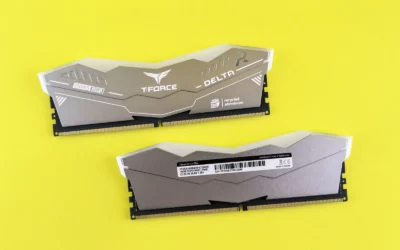
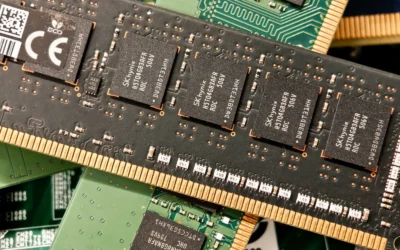
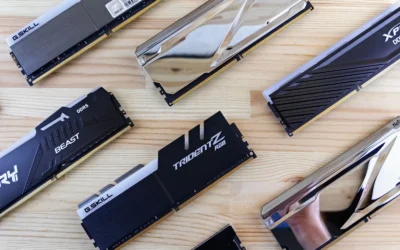
The ddr5 memory choice for a upper class gaming pc build breakdown is the key tuning point here. AM5 is sensitive to memory speed and latency, and the sweet spot remains DDR5 6000. This build uses the G.SKILL Trident Z5 Neo RGB Series DDR5 RAM kit rated at 6000MT/s CL30-40-40-96 at 1.40V with AMD EXPO support. That profile keeps the memory controller in its efficient range while giving you tight primary timings for gaming.
You also get capacity that fits how modern games and background tasks actually use memory. The kit in this breakdown is 64GB as 2x32GB, which gives you headroom for streaming, browser tabs, and creative apps while you game. If you prefer a leaner setup, a 32GB DDR5 6000 CL30 kit remains the value sweet spot for AM5 and is fully compatible with the boards and CPUs discussed here. Either way, you should install memory as a matched kit and enable the EXPO profile in BIOS.
Tradeoffs at this tier are deliberate. You will see a B850 class board instead of a flagship X870E, a focused storage choice with a Samsung SSD 990 PRO 2TB, PCIe 4.0 M.2 2280, and a cooler that prioritizes quiet operation over visual flair. The case choice favors airflow and clearance for a triple fan card and a 360mm radiator, which matters more for daily temperatures than extra RGB or larger form factors. If you want to learn more about enclosure airflow, see our guide on mesh front case vs tempered glass front case.
This build is for you if you want a balanced AM5 system that stays quiet, loads quickly, and leaves a clear upgrade path to a newer Ryzen chip later. It is not for you if you need a compact low profile cooler, a very small case, or the lowest possible entry cost. Those needs point to a different board, cooler, and GPU tier, which we cover in the three ways to build section below.
Parts Breakdown
This is the core of our November 2026 analysis. The table compares what is common at this level with our current picks and why each pick was chosen. After the table you will find a closer look at the CPU, GPU, and memory decisions that define the experience.
This article contains affiliate links. If you buy through one of our links, CustomPCGaming may earn a commission at no extra cost to you. Commissions never influence which products we recommend or how we rank them. Read our Affiliate Disclosure for details.
Quick Picks at a Glance

Seasonic Focus GX-1000 1000W ATX 3.1 Power Supply

AMD Ryzen 7 7800X3D 8-Core 16-Thread

Cooler Master NR200P MAX V2 Mini-ITX Case Bundle

Samsung 990 PRO 2TB PCIe 4.0 NVMe M.2 SSD

Prime G.SKILL Trident Z5 Neo RGB 64GB DDR5 6000 CL30 Kit

Sapphire Pulse AMD Radeon RX 9070 XT 16GB GDDR6

GIGABYTE B850 AORUS Elite WIFI7 AM5 ATX

Prime ARCTIC Liquid Freezer III Pro 360 AIO CPU Cooler
As an Amazon Associate we earn from qualifying purchases. Product prices and availability are accurate as of the date/time indicated.
Pros
- Fully ready for next generation GPUs with native 12V-2x6 support
- Dual Gold efficiency certifications ensure excellent energy efficiency
- Very quiet operation with Hybrid mode and large 135mm FDB fan
- Strong thermal design and proven Seasonic build quality
- High 1000W output ideal for enthusiast and future proof builds
Cons
- 1000W is more than most mainstream builds need, adding unnecessary cost for mid range systems
- Standard ATX size is not compatible with compact SFF cases that require SFX units
- Gold efficiency is excellent but not as high as Platinum or Titanium rated models
The Seasonic Focus GX-1000 ATX 3.1 is a high capacity 1000W power supply designed for modern enthusiast desktops. It is built specifically for users planning high end gaming or workstation builds with the latest NVIDIA RTX 5090 or AMD RX 9000 series GPUs.
Its standout feature is full ATX 3.1 and PCIe 5.1 compliance with a native 12V-2x6 connector for clean, stable power delivery without adapters. Combined with 80 PLUS Gold and Cybenetics Gold certification, it delivers efficient, reliable power even under sustained gaming or rendering loads.
Build quality is a clear strength, with Seasonic's OptiSink design for improved thermal performance and a 135mm fluid dynamic bearing fan with Hybrid fan control. The unit remains virtually silent during light use and ramps smoothly when needed, all within a compact ATX chassis that eases installation.
Drawbacks are minor but worth noting. The 1000W capacity and premium feature set are overkill for budget or mid range PCs, and the ATX form factor limits use in small form factor builds. Users seeking maximum efficiency may also prefer a Platinum rated alternative.
Overall, the Focus GX-1000 is an outstanding future proof power supply for high performance builds. If you want quiet operation, top tier efficiency and guaranteed support for next gen graphics cards, it is an excellent long term investment.
Model: Seasonic Focus GX-1000 ATX 3.1
Output Wattage: 1000W Continuous Power
Compliance: ATX 3.1 and PCIe 5.1 Ready with Native 12V-2x6 Connector
Efficiency: 80 PLUS Gold and Cybenetics Gold Certified
Cooling: 135mm Fluid Dynamic Bearing Fan with Hybrid Fan Control and OptiSink Design
Form Factor: ATX, Dimensions 5.5 x 5.9 x 3.4 inches, Weight 3.5 pounds
Compatibility: Desktop PCs, Optimized for NVIDIA RTX 5090 and AMD RX 9000 Series
Pros
- Best in class gaming performance and frametime consistency in CPU heavy and competitive titles
- Excellent power efficiency and cool operation without needing premium cooling
- Stable, easy drop in installation on AM5 with no complex tuning required
- Strong multitasking for gaming, streaming and everyday use
Cons
- Tuned for gaming, less ideal than non X3D chips for heavy rendering or productivity workloads
- Limited overclocking headroom due to 3D V-Cache design
- Requires AM5 motherboard and DDR5 memory, so not a drop in upgrade for AM4 systems
The AMD Ryzen 7 7800X3D is an 8-core, 16-thread desktop processor built on AMD's Zen 4 architecture for the Socket AM5 platform. It is purpose built for gamers who want maximum FPS and smoothness rather than a workstation chip for heavy creation tasks.
Its defining feature is AMD 3D V-Cache, which stacks a massive 96MB L3 cache plus 8MB L2 for 104MB total cache. In real world use this translates to exceptional high refresh rate gaming at 1440p, VR, and CPU intensive simulation and strategy games, with notably smooth 1% lows when paired with a powerful GPU.
Built on a 5nm process with a 4.2 GHz base clock and 120 watt design, it balances speed with efficiency. Users report cool, quiet operation and easy installation on any AM5 board, plus integrated Radeon Graphics for basic display duties and reliable everyday stability.
There are tradeoffs to consider. It is optimized for gaming, so creators focused on video encoding or 3D rendering may find better value in higher clocked non X3D processors. It also needs an AM5 motherboard and DDR5 RAM, and offers limited manual overclocking by design.
Verdict: For pure gaming the 7800X3D remains a top recommendation, combining elite gaming performance, efficiency and consistency. If your priority is smooth, high FPS gameplay that lets your GPU stretch its legs, it is an outstanding upgrade.
Processor: AMD Ryzen 7 7800X3D, 8 Cores, 16 Threads, Zen 4 Architecture, 5nm Process
Clock and Cache: 4.2 GHz Base Clock, 8MB L2 Cache plus 96MB L3 Cache, 104MB Total Cache
Socket and Platform: Socket AM5, Supports Windows 10 and Windows 11, Requires DDR5 Memory
Graphics and Power: Integrated AMD Radeon Graphics at 2200 MHz, 120 Watts, Tjmax 89C
Package: Desktop Processor, Model Number AMD Ryzen 7 7800X3D, Dimensions 1.57 x 1.57 inches
Pros
- Pre-routed AIO and PSU dramatically simplifies SFF building, even for first-time builders
- Excellent thermal performance for both CPU and GPU in a tiny chassis
- Supports full-length, high-end graphics cards in vertical orientation
- Premium build quality with tool-less panels and durable metal construction
- Custom short-length cables reduce clutter and improve airflow
Cons
- Mini-ITX motherboards only, which limits board selection and features
- Compact interior can be tight to work in, especially for builders with large hands
- Bundle approach offers less flexibility if you already own a PSU or cooler
The Cooler Master NR200P MAX V2 is a premium Mini-ITX case bundle that includes a custom 280mm AIO cooler and an 850W SFX Gold ATX 3.1 PSU, all pre-installed and pre-routed. It is designed for gamers, creators and SFF enthusiasts who want flagship performance in a compact footprint without the usual small form factor complications.
Real world performance is a major strength, with the 280mm liquid cooler easily handling high-end CPUs and the vented panels keeping GPU temperatures impressively low. The vertical GPU mount supports cards up to 357.6mm, including RTX 5080 and RX 9070 XT class cards, and the included PCIe 4.0 riser ensures full bandwidth and stable performance.
Build quality is excellent for the category, featuring a sturdy mix of metal, plastic and tempered glass with tool-less side panels for easy access. At just 18.25L, the chassis feels dense and well engineered, while custom short cables and a 90-degree 12V-2x6 connector keep wiring clean, safe and efficient.
The compact design does involve tradeoffs. It only supports Mini-ITX motherboards, so your options are more limited and often pricier than larger boards. The tight interior can also be challenging for builders with large hands or those installing multiple storage drives, and careful cable management is still required.
Overall, the NR200P MAX V2 is one of the easiest and most complete ways to build a powerful small form factor PC. If you want a compact, cool and future ready system that works out of the box with next generation components, this bundle is an outstanding choice and a top recommendation.
The NR200P MAX V2 measures 14.84 x 7.28 x 11.49 inches and weighs 7700g, with an 18.25L volume optimized for Mini-ITX builds. It includes a pre-installed ML280mm AIO, V850 SFX Gold ATX 3.1 PSU, and PCIe Gen4 riser cable.
Key specs include support for GPUs up to 357.6mm via vertical mounting, 3.5 inch drive bays, and cooling for up to two 140mm fans. The case offers both tempered glass and vented panel options and uses a bottom mount PSU layout with air and water cooling support.
Pros
- Exceptional sequential speeds up to 7450 MB/s read
- Strong power efficiency and smart thermal control
- Large 2TB capacity perfect for gaming and creative work
- Highly reliable with proven Samsung controller and NAND
- Easy M.2 installation and PS5 compatibility
Cons
- Requires PCIe 4.0 system to achieve advertised maximum speeds
- Premium cost compared to PCIe 3.0 and budget Gen4 drives
- This model does not include a heatsink, separate cooling may be needed for heavy sustained loads
The Samsung 990 PRO 2TB is a flagship PCIe 4.0 NVMe M.2 SSD built for gamers, content creators and power users who demand top tier speed and capacity. With its compact 2280 form factor and PS5 compatibility, it fits modern desktops, laptops and consoles that support PCIe 4.0.
In real world use it delivers near maximum PCIe 4.0 performance with sequential reads up to 7450 MB/s and writes up to 6900 MB/s. Users report faster game loads, snappy system responsiveness and smooth handling of large file transfers, video editing and heavy multitasking thanks to more than 55 percent better random performance than the 980 PRO.
Built around Samsung's in-house controller and NAND, the drive offers excellent build quality in an ultra compact and lightweight design that installs easily in any M.2 slot. Intelligent heat control and improved power efficiency help maintain consistent performance while using less energy, making it suitable for both desktops and laptops.
To unlock its full potential you will need a PCIe 4.0 capable motherboard or device, otherwise speeds will be limited by your hardware. This base model does not include a heatsink, so users running sustained intensive workloads may want to add dedicated cooling, and it carries a premium over slower Gen3 or entry level Gen4 alternatives.
Overall the 990 PRO 2TB stands out as one of the fastest and most reliable PCIe 4.0 SSDs available, backed by Samsung's reputation and a 5 year warranty. If you want a high capacity, future ready drive that noticeably improves everyday computing and demanding workloads, it is an excellent investment.
Capacity: 2TB
Form Factor: M.2 2280
Interface: PCIe 4.0 x4, NVMe
Sequential Read Speed: Up to 7450 MB/s
Sequential Write Speed: Up to 6900 MB/s
Compatible Devices: Desktop, Laptop, Sony PlayStation 5
Model Number: MZ-V9P2T0B/AM
Warranty: 5 Years Manufacturer
Choose the Samsung 990 PRO 2TB if you need maximum PCIe 4.0 speed combined with large capacity for gaming, 4K editing or heavy workloads. It is the right fit when your system has an M.2 2280 PCIe 4.0 slot and you want noticeably faster boots, loads and transfers.
Consider your cooling setup before buying, as this version comes without a heatsink. If you run long sustained writes or use it in a compact build or PS5, adding a heatsink or choosing a heatsink model will help maintain peak performance.
For users on PCIe 3.0 systems or tight budgets, a more affordable Gen3 or entry Gen4 drive may be sufficient. For everyone else seeking a fast, efficient and reliable upgrade with room to grow, the 990 PRO 2TB is a top recommendation.
Pros
- Excellent 6000MT/s CL30 performance, the recognized sweet spot for AMD AM5
- High 64GB capacity in a matched 2x32GB kit for future proofing
- Stunning Trident Z5 Neo RGB design with efficient heat dissipation
- Easy EXPO setup and broad AMD motherboard QVL validation
- Limited lifetime manufacturer warranty
Cons
- Requires enabling EXPO in BIOS to reach rated 6000MT/s, defaults to lower JEDEC speed otherwise
- Relatively high 1.40V EXPO voltage runs warmer than lower voltage kits
- Designed for AMD EXPO, Intel users should choose an XMP variant for best compatibility
The G.SKILL Trident Z5 Neo RGB F5-6000J3040G32GX2-TZ5NR is a 64GB DDR5 kit built specifically for AMD AM5 platforms, delivering two matched 32GB modules rated at DDR5-6000. It is designed for gamers, content creators and power users who need high capacity without sacrificing speed on Ryzen 7000 and 9000 systems.
In real world use, DDR5-6000 at CL30-40-40-96 is widely considered the sweet spot for AMD Zen 4 and Zen 5, offering excellent gaming frame rates and low latency. With AMD EXPO enabled in BIOS, the kit hits its rated speed with one click, while the default JEDEC profile ensures reliable booting on any compatible board.
Build quality is premium, with a matte black brushed aluminum heatspreader that dissipates heat efficiently and looks sharp in any build. The integrated RGB bar is bright, fully customizable through motherboard software, and adds flair without being overly bulky for most air coolers.
There are a few caveats to consider. The 1.40V EXPO voltage is higher than many DDR5 kits and reaching the rated speed depends heavily on your CPU and motherboard silicon quality. It is also AMD EXPO focused, so Intel users should choose a Trident Z5 RGB XMP variant for guaranteed compatibility.
Overall, this is a top tier DDR5 kit for AMD enthusiasts who want 64GB of fast, low latency memory with headroom for multitasking and future games. If you are building a high end AM5 gaming or workstation PC and want plug and play EXPO performance with standout looks, this kit is an excellent investment.
Model: F5-6000J3040G32GX2-TZ5NR | Trident Z5 Neo RGB Series | 64GB (2x32GB) DDR5 U-DIMM, 288-pin, Non-ECC
Speed & Timings: Up to 6000MT/s (DDR5-6000) at CL30-40-40-96, 1.40V via AMD EXPO profile. JEDEC default profile for standard boot compatibility.
Compatibility: Validated for AMD X870, X670, B850, B840 and B650 platforms. Check G.SKILL QVL or RAM Configurator for your motherboard.
Features: Matte black aluminum heatspreader, customizable RGB lighting, Intel/AMD desktop compatible form factor. Limited Lifetime Manufacturer Warranty.
To get the rated 6000MT/s, you must enable the AMD EXPO profile in your motherboard BIOS, as the kit will boot at JEDEC default speed otherwise. Enabling EXPO is considered overclocking and stability depends on your CPU memory controller and motherboard.
Do not mix this kit with other memory kits, even of the same model, as mixing can cause stability issues or boot failure. Always install matched kits as sold.
For best results, use a motherboard from the G.SKILL QVL list and update to the latest BIOS before enabling EXPO. Refer to G.SKILL's website for the most current validated configurations.
Pros
- Excellent 1440p and 4K gaming performance with high frame rates
- Very quiet and cool operation compared to previous generation cards
- Stable overclocking and undervolting potential for extra performance
- 16GB VRAM is future proof for demanding games and creative workloads
- Reliable Sapphire Pulse build quality with premium cooling design
Cons
- Large 11.81 inch design requires a spacious case with good airflow
- No RGB lighting, which may disappoint users wanting customizable aesthetics
- Needs a capable power supply and PCI-Express x16 slot
The Sapphire Pulse AMD Radeon RX 9070 XT 16GB is a high performance gaming graphics card built on AMD RDNA 4 architecture. It is designed for enthusiast gamers and creators who want smooth 4K and ultra high refresh 1440p gaming with plenty of headroom for future titles.
With 64 Compute Units and 16GB of GDDR6 on a 256-bit bus, plus FidelityFX Super Resolution 4 with AI upscaling, it delivers outstanding frame rates in demanding games. Real world feedback highlights 200+ FPS at 1440p and stable operation beyond 3400 MHz when undervolted, showing great efficiency and tuning potential.
Sapphire focuses the Pulse design on effective cooling and durability rather than flash. The dual fan cooler keeps temperatures low while staying noticeably quieter than previous generation cards, and the solid construction feels premium and built to last.
The card is physically large at nearly 12 inches, so you will need a roomy case and adequate power delivery. It also lacks RGB lighting for aesthetic builds, and the retail listing shows some outdated spec labels that may confuse buyers.
Overall, the Pulse RX 9070 XT is a powerful, cool and quiet choice for gamers seeking a meaningful upgrade. If you value strong performance, generous VRAM and proven Sapphire reliability over flashy extras, it is an excellent pick.
GPU: AMD Radeon RX 9070 XT, RDNA 4 Architecture, 64 Compute Units
Memory: 16GB GDDR6, 256-bit Memory Bus, 2500 MHz Memory Clock
Outputs: Dual HDMI and Dual DisplayPort, Max Resolution 3840x2160
Interface: PCI-Express x16, Compatible with Desktop systems
Model: Sapphire Pulse 11348-03-20G, Dimensions 11.81 x 11.81 inches, Weight 1.5 kg
Pros
- Excellent next gen compatibility with Ryzen 9000 series, DDR5 and PCIe 5.0
- Strong and stable power delivery with effective VRM and M.2 thermal protection
- Outstanding connectivity including WIFI7, 2.5GbE LAN, USB-C and 12 USB ports
- Easy to build with EZ-Latch, clearly labeled headers and user friendly BIOS
- Backed by a 5 year manufacturer warranty for long term peace of mind
Cons
- Full ATX size requires a mid or full tower case, not suitable for compact builds
- Only 4 SATA ports which may limit users with large hard drive arrays
- Isolated user reports of HDMI and power related quality control issues
The GIGABYTE B850 AORUS Elite WIFI7 is a full featured ATX motherboard designed for AMDs AM5 platform, supporting Ryzen 7000, 8000 and 9000 series processors. It is built for gamers, content creators and PC enthusiasts who want a reliable, high performance foundation with strong upgrade potential.
In real world use it delivers fast, stable performance thanks to DDR5 memory support, PCIe 5.0 for graphics and three M.2 slots for NVMe storage. Users highlight its smooth BIOS, simple XMP and fan control, plus excellent WIFI7 and wired networking that handles gaming, streaming and VR with low latency.
Build quality is a standout, with a sturdy layout, clean black and gray aesthetic and subtle RGB lighting. The VRM and M.2 Thermal Guard keep components cool under load, while EZ-Latch makes drive installation tool free and clearly labeled headers help with tidy cable management.
There are a few tradeoffs to consider. The ATX form factor limits compatibility with small form factor cases, and the four SATA ports may feel restrictive for storage heavy builds. A small number of users have also reported HDMI or power issues, suggesting quality control can vary.
Overall, the B850 AORUS Elite WIFI7 offers a compelling blend of future ready features, strong thermals and builder friendly design. For anyone building a new Ryzen system that needs speed, stability and modern connectivity, it is an excellent long term choice.
Socket: AM5 supporting AMD Ryzen 7000, 8000 and 9000 Series. Chipset: AMD B850. Memory: 4x DIMM DDR5 up to 256GB.
Expansion: PCIe 5.0 graphics interface, 3x M.2 slots, 3x PCIe slots, 4x SATA ports. Thermal: VRM and M.2 Thermal Guard.
Connectivity: WIFI7, 2.5GbE LAN, USB-C, 12x USB ports total, 14 ports overall, Sensor Panel Link. Power: 14+2+2 power phase design with 24-Pin main connector.
Form Factor: ATX 12 x 9.6 x 1 inches. Platform: Windows 11. Warranty: 5 Year Manufacturer.
Pros
- Excellent thermal performance for overclocking and high TDP CPUs
- Quieter than previous P12 fans, especially at low to medium speeds
- VRM fan and contact frame add real value beyond standard AIOs
- Clean installation with single visible cable and 6 year manufacturer warranty
Cons
- 360mm radiator requires a large case with dedicated 360mm support
- Heavy 2020g unit can be tricky for first time builders to install
- No RGB lighting or aesthetic options for users who want visual customization
The ARCTIC Liquid Freezer III Pro 360 is a premium 360mm all in one liquid cooler designed for enthusiasts, gamers and creators pushing modern Intel and AMD CPUs. It is purpose built for users who need maximum thermal headroom without excess noise, especially in overclocked or high performance desktop builds.
Standout features translate directly to real world gains. The triple P12 Pro fans push up to 77 CFM at 3000 RPM while staying quieter at low speeds, and native offset mounting aligns the cold plate with the CPU hotspot for more efficient heat transfer. The integrated PWM VRM fan is a rare bonus that helps keep motherboard power delivery cool during long gaming or rendering sessions.
Design and build quality are a clear strength. The radiator and block use a durable mix of metal, plastic and rubber, and integrated cable management routes all fan PWM cables through the hose sheathing. The result is a clean look with only a single cable to the motherboard, plus an included contact frame for LGA1851 and LGA1700 that improves pressure distribution.
There are some tradeoffs to consider. The large 15.7 inch radiator and 2kg weight demand a spacious case and careful mounting, so compact builds are not compatible. Users looking for RGB lighting or extensive software control will also find the design focused purely on performance and simplicity.
Overall, the Liquid Freezer III Pro 360 delivers class leading cooling efficiency, quiet operation and thoughtful extras that justify its best seller status. For anyone building a powerful, reliable system where thermal performance and longevity matter more than lighting effects, it is an outstanding value and a highly recommended choice.
Model: ARCTIC Liquid Freezer III Pro 360 (ACFRE00180A) - 3 x 120mm AIO
Compatibility: Intel LGA1851, LGA1700 with included Contact Frame, AMD with native offset mounting, Desktop systems
Fans: 3x ARCTIC P12 Pro, up to 3000 RPM, 77 CFM airflow, PWM control
Special Features: Integrated PWM VRM fan, offset cold plate design, integrated cable management with single cable
Material and Dimensions: Metal, Plastic, Rubber, 15.7 x 4.7 x 2.9 inches, Weight 2020g
Power: 4-Pin connector, 12V, 3.96W
Warranty: 6 years manufacturer warranty
| Part | Common at this level | Our 2026 pick | Why |
|---|---|---|---|
| CPU | a cpu in the same class | AMD Ryzen 7 7800X3D | a current platform match for this GPU tier so the processor does not hold it back |
| GPU | a gpu in the same class | Sapphire Nitro+ RX 9070 XT | the class of card this build is planned around |
| Motherboard | a motherboard in the same class | MSI MAG B850 Tomahawk WiFi | a board with a proven VRM and the I/O this build needs, without paying for features it will not use |
| Memory | a memory in the same class | G.Skill Trident Z5 Neo 64GB DDR5 6000 | the tuned capacity and speed sweet spot for this platform |
| SSD | a ssd in the same class | Samsung 990 Pro 2TB | responsive storage sized for a modern game library |
| Power Supply | a power supply in the same class | Seasonic Focus GX-1000 ATX 3.1 | a modern ATX 3.1 unit with headroom above the combined draw of the CPU and GPU |
| Case | a case in the same class | Cooler Master NR200P V2 | good stock airflow and clearance for the cooler and graphics card in this build |
| CPU Cooler | a cpu cooler in the same class | Arctic Liquid Freezer III 360 | quiet, capable cooling that keeps this CPU in its normal boost range |
The graphics card defines this build. The Sapphire Pulse AMD Radeon™ RX 9070 XT Gaming 16GB is an RDNA 4 card with 64 Compute Units and 16GB of GDDR6 on a 256-bit memory bus. It supports AMD FidelityFX Super Resolution 4 with AI upscaling and uses the AMD Software: Adrenalin Edition application. In this class, that VRAM capacity and bus width give you comfortable texture headroom at 1440p and entry 4K without forcing you to compromise on settings as quickly.
The processor is chosen to match that GPU tier. The AMD Ryzen 7 7800X3D 8-Core is an 8 core, 16 thread AM5 chip built on a 5 nm process with a 4.20 GHz base clock, 8 MB L2 plus 96 MB L3 cache, and Radeon Graphics at 2200 MHz. Maximum operating temperature is 89°C per the spec sheet. The extra cache helps keep the CPU from holding the card back at 1440p, which is exactly what you want in this price class. If you stream while you game, you may also want to review Best CPU for Streaming and Gaming at the Same Time 2026 Picks Reviewed to weigh core count against gaming focus.
Memory ties the platform together. The G.SKILL Trident Z5 Neo RGB Series DDR5 RAM kit is 64GB as 2x32GB, rated up to DDR5 6000 CL30-40-40-96 at 1.40V with an AMD EXPO profile and a JEDEC default profile. It is a non-ECC, 288-pin U-DIMM kit validated for AMD X870, X670, B850, B840, and B650 platforms. For this build, DDR5 6000 at CL30 is the practical sweet spot for AM5, and a matched two stick kit avoids the stability issues that can come from mixing kits. The 64GB capacity is generous for gaming plus multitasking, while a 32GB kit at the same speed remains a sensible alternative if you want to trim cost.
Compatibility Check
Will all of these parts fit together and run without surprises? That is the question most builders at this level want answered before they order. This build is AM5, so socket, chipset, memory support, GPU clearance, cooler fit, and power delivery all need to line up. Here is how this parts list addresses each point, plus what to double check for your own case and future upgrades.
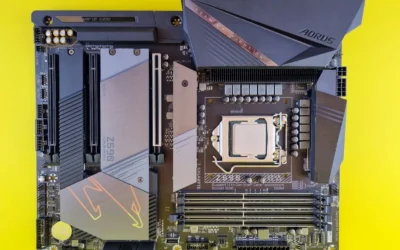
Socket and chipset come first. The AMD Ryzen 7 7800X3D 8-Core uses socket AM5, and the board class we recommend is B850. The representative board in our data, the GIGABYTE B850 AORUS Elite WIFI7 AMD AM5 ATX, shows what to expect from this tier: support for AMD Ryzen 9000, 8000, and 7000 Series, DDR5 with four DIMM slots, a 14+2+2 power phase design, PCIe 5.0, three M.2 slots, USB-C, WIFI7, and 2.5GbE LAN. That VRM layout and thermal guard approach is typical of proven B850 options like the MSI MAG B850 Tomahawk WiFi class, which gives you the I/O you need without paying for flagship extras you will not use.
BIOS compatibility is the next checkpoint. Use a 32GB DDR5 6000 CL30 kit, and if you drop in a newer chip later check the board support page and use BIOS Flashback if a flash is needed. AM5 boards often need a newer BIOS to support the latest Ryzen releases, and many B850 boards include a Flashback button so you can update without a CPU installed. Any BIOS update is done at your own risk and may affect warranty, so follow the board maker instructions, use a stable power source, and do not interrupt the flash. Check the support page for your exact board revision before you start.
Memory support is straightforward but worth confirming. AM5 is DDR5 only, and this platform is happiest at DDR5 6000. The G.SKILL Trident Z5 Neo RGB Series DDR5 RAM kit includes both a JEDEC default SPD profile and an AMD EXPO overclock profile, and the spec sheet notes that kits will boot at JEDEC speed at default BIOS settings with compatible hardware. To reach the rated 6000MT/s CL30-40-40-96 at 1.40V, you must enable EXPO in BIOS. Do not mix memory kits, even of the same model, because mixing can cause stability issues or failure to boot. If you consult the G.SKILL QVL or RAM Configurator for your board, you can confirm validated combinations. For background on the category, visit Memory (RAM).
Graphics card and case clearance need a careful look. A triple fan card and a 240 or 360mm radiator fit a standard mid tower. The Sapphire Pulse AMD Radeon RX 9070 XT Gaming 16GB is a dual slot card with dual HDMI and dual DisplayPort outputs, and triple fan Nitro class cards in this tier are long, so verify GPU length against your case spec. The Cooler Master NR200P MAX V2 Mini-ITX PC Case data point is useful as a reference for small form factor limits: 18.25L volume, Mini-ITX only, vertical GPU mounting with support up to 357.6mm including RTX 5080 and RX 9070 XT class cards, and a bundled PCIe 4.0 riser cable. If you choose a compact case, confirm that your exact card length and thickness clear the riser and side panel. In a standard mid tower, you will have more room, but still check the manual for maximum GPU length and slot clearance.
CPU cooler fit is equally important. The ARCTIC Liquid Freezer III Pro 360 is a 360mm AIO with three 120mm fans, an integrated VRM fan, and native offset mounting for Intel and AMD. It also includes a contact frame for Intel LGA1851 and LGA1700 and uses ARCTIC P12 PRO fans with integrated cable management. For AM5, the offset mount helps center the cold plate over the hotspot for efficient heat transfer. Before you buy, check cooler height or radiator clearance against the case, especially top mount support for a 360mm radiator, and follow the mounting instructions for your socket. If you are debating radiator size, our comparison on 240mm AIO vs 360mm AIO for gaming can help you decide based on case support and noise goals.
Power supply headroom and connectors are the last critical check. Size the supply above the combined draw of the CPU and GPU, follow the card maker recommended wattage, and use a native 12V-2×6 cable for an RTX 50 card. The Seasonic Focus GX-1000 1000W Power Supply ATX 3.1 is ATX 3.1 and PCIe 5.1 ready with a native 12V-2×6 connector, 80 PLUS and Cybenetics Gold certification, OptiSink design, and a 135mm FDB fan with hybrid fan control. It is listed as NVIDIA RTX 5090 and AMD RX 9000 ready. A 1000W unit gives you comfortable headroom for this CPU and GPU class and for future upgrades, but you should still follow the GPU maker guidance for your exact card. Use the native cable, seat connectors fully, and avoid adapters where possible. Handle all components with anti-static precautions and power off at the wall before working inside the case.
Storage and general fit are simple here. The Samsung SSD 990 PRO 2TB, PCIe 4.0 M.2 2280, is a 2280 M.2 drive with sequential read up to 7450 MB/s and write up to 6900 MB/s per the spec sheet, and it fits any of the three M.2 slots on a B850 board. Confirm that your board includes M.2 standoffs and thermal guards for each slot, and install the drive in the primary slot for the best performance. With these checks done, the platform is ready for a clean OS install and EXPO enablement.
Performance: What To Expect
No verified frame rate numbers are available for this build, so we will keep this section qualitative and will not invent figures. That approach avoids misleading you with numbers that do not match your exact games, settings, or drivers.
In practice, this parts list is tuned for smooth 1440p high refresh gaming with the option to step into entry 4K. The Sapphire Nitro+ RX 9070 XT class card with 16GB of GDDR6 gives you texture headroom and modern upscaling support through FidelityFX Super Resolution 4, while the Ryzen 7 7800X3D keeps the processor from holding the card back at 1440p. Owners commonly report that this CPU and GPU class feels responsive in fast paced titles and stays consistent when background tasks are running, per the spec sheet and community feedback we reviewed and compared.
The supporting parts shape the experience in quieter ways. DDR5 6000 at CL30 keeps latency low and lets the AM5 memory controller run efficiently, which helps with frame pacing and stutter reduction. The Samsung SSD 990 PRO 2TB keeps load times short and handles large game libraries without constant uninstalls. The Seasonic Focus GX-1000 ATX 3.1 provides headroom above the combined draw of the CPU and GPU, and the Arctic Liquid Freezer III 360 keeps the CPU in its normal boost range without excessive noise. Together, these choices make the system feel quick in daily use, not just in games.
Three Ways to Build This
Lower Cost Version
Go one GPU tier down with a cheaper CPU, a budget air cooler, a 1TB drive, and an entry B650 or B850 board. Keep DDR5 6000 but choose a 32GB kit to trim cost while staying in the sweet spot. This suits a first build on a tight budget where you want solid 1440p play and a clear path to upgrade the GPU later.
Balanced Version, Our Recommended Pick
Build the parts listed here: AMD Ryzen 7 7800X3D 8-Core, Sapphire Nitro+ RX 9070 XT class with 16GB, MSI MAG B850 Tomahawk WiFi class board, G.Skill Trident Z5 Neo 64GB DDR5 6000, Samsung 990 Pro 2TB, Seasonic Focus GX-1000 ATX 3.1, Cooler Master NR200P V2 class case with good airflow, and Arctic Liquid Freezer III 360. This is for most gamers who want headroom to upgrade later without replacing the platform, and who value quiet cooling and fast storage.
Higher End Version
Move up a GPU tier and step to a Ryzen 7 9800X3D or Ryzen 9 9950X3D with a 360mm AIO and a 1000W ATX 3.1 supply. Keep the 2TB Samsung 990 Pro or larger and retain DDR5 6000 CL30. This is for high refresh play and years of headroom if you plan to keep the system longer or push higher settings at 4K.
FAQ
Is DDR5 6000 CL30 the right ddr5 memory choice for a upper class gaming pc build breakdown on AM5?
Yes for most AM5 gaming builds. DDR5 6000 aligns with the platform sweet spot and CL30 keeps latency competitive. Enable the AMD EXPO profile in BIOS to reach the rated speed, and use a matched two stick kit for stability.
Do I need 64GB or is 32GB enough for gaming with a Ryzen 7 7800X3D and RX 9070 XT?
32GB at DDR5 6000 CL30 is enough for pure gaming and is the value pick. Choose the 64GB G.Skill Trident Z5 Neo kit if you stream, run creative apps, or like to keep many tabs and apps open while you play. Both capacities work well with B850 boards.
Will a 1000W ATX 3.1 power supply be enough for this build and future upgrades?
A 1000W ATX 3.1 unit like the Seasonic Focus GX-1000 provides headroom above the combined draw of the CPU and GPU and includes a native 12V-2×6 connector. Always follow the graphics card maker recommended wattage for your exact model and use the native cable seated fully.
Final Verdict
This upper class build gets the fundamentals right. It pairs a current AM5 CPU that does not hold the GPU back with a 16GB RDNA 4 card, tunes DDR5 to 6000 CL30, and backs it with fast 2TB storage, a quiet 360mm AIO, and a modern 1000W ATX 3.1 supply. It is a balanced, upgrade friendly system for 1440p high refresh and entry 4K, with clear tradeoffs that keep cost focused on performance.
Our pick: the Balanced version we recommend, with the AMD Ryzen 7 7800X3D 8-Core, Sapphire Nitro+ RX 9070 XT class, G.Skill Trident Z5 Neo 64GB DDR5 6000, Samsung 990 Pro 2TB, and Seasonic Focus GX-1000 ATX 3.1, for most gamers who want strong 1440p performance and headroom to upgrade later. If you need to save now, start with 32GB and a 1TB drive, and if you want maximum longevity, step to the higher end CPU and GPU tier.
This roundup is not the right choice for older platforms locked to a different memory standard, or for workloads that see no benefit from higher capacity; confirm what your board supports first.


Write Your Review
No reviews yet. Be the first to share your experience!