

If you are deciding between the AMD RYZEN 7 9800X3D 8-Core and the Intel® Core™ Ultra 9 Processor 285K 24 cores for gaming, you are choosing between two very different philosophies. One leans on 3D V-Cache and Zen 5 efficiency for high refresh gaming, the other leans on a hybrid 24 core layout for gaming plus heavy multitasking. This comparison for Ryzen 7 9800X3D vs Core Ultra 9 285K for gaming breaks down which fits your resolution, platform, and build goals as of September 2026.
You already know both are premium Socket AM5 and Intel 800 series options with DDR5 and PCIe 5.0 support, so the real question is where you want the advantage. Do you want maximum cache driven gaming performance in a compact 8 core package, or do you want more threads and integrated graphics for creation, streaming, and background workloads? The sections below evaluate each axis side by side to help you choose without overspending on cores or cache you will not use.
This article contains affiliate links. If you buy through one of our links, CustomPCGaming may earn a commission at no extra cost to you. Commissions never influence which products we recommend or how we rank them. Read our Affiliate Disclosure for details.
Quick Picks at a Glance
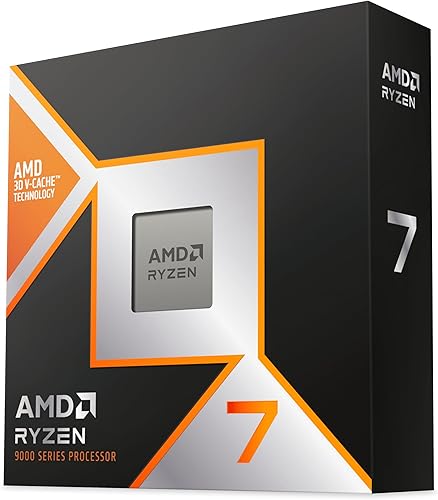
AMD Ryzen 7 9800X3D 8-Core 16-Thread

Prime Intel Core Ultra 9 285K 24-Core Processor 5.7GHz
As an Amazon Associate we earn from qualifying purchases. Product prices and availability are accurate as of the date/time indicated.
Pros
- Exceptional gaming performance with extremely consistent frame times
- Excellent power efficiency and manageable thermals with a good aftermarket cooler
- Easy installation on AM5 platform with broad motherboard compatibility after BIOS update
- Strong all around performance for gaming, streaming and everyday creation tasks
Cons
- Cooler not included, requires separate high quality cooling solution
- Requires AM5 motherboard and DDR5 memory, not compatible with AM4 systems
- 8-core design is less optimal for heavy workstation rendering versus higher core count CPUs
The AMD Ryzen 7 9800X3D is a high performance desktop processor designed for gamers, streamers and creators who demand top tier speed. Built on the Zen 5 architecture with next generation 3D V-Cache, it is purpose built to eliminate CPU bottlenecks in modern titles.
In real world gaming, the massive 96MB L3 cache and boost clocks up to 5.2GHz deliver outstanding frame rates and remarkably consistent frame times. Users report smooth performance in demanding and CPU heavy games, with excellent 1% lows that reduce stutter during competitive play and streaming.
The chip uses the proven Socket AM5 platform and offers drop in compatibility with existing AM5 motherboards after a BIOS update. Build quality reflects AMDs premium design, with improved thermal performance over the previous generation and efficient operation even during long sessions with a quality aftermarket cooler.
As a gaming focused CPU, it is not the best choice for heavy workstation or rendering workloads where higher core count processors excel. It also ships without a cooler, requires an AM5 board and DDR5 memory, and needs capable cooling to maintain its boost performance.
Overall, the Ryzen 7 9800X3D stands out as the go to processor for gamers who want the fastest and most stable gaming experience available. If your priority is maximum FPS, low latency and future ready AM5 support, this CPU is an excellent investment.
Model: AMD Ryzen 7 9800X3D, 8-Core, 16-Thread, Zen 5 Architecture
Cache: 96MB L3 Cache, 104MB Total Cache, 8MB L2 Cache
Clock Speed: 4.7GHz Base, Up to 5.2GHz Boost
Socket & Platform: Socket AM5, Supports DDR5 and PCIe 5.0, Windows 11 Ready
Power & Cooling: 140W, External Cooler Required, Cooler Not Included
Pros
- Outstanding 24-core hybrid performance for gaming and content creation
- High 5.7GHz turbo frequency and large 40MB cache
- Future ready with PCIe 5.0 and DDR5 support
- Unlocked design for enthusiast overclocking
- Improved efficiency for better thermals and acoustics
Cons
- No thermal solution included, requires separate cooler
- Requires new LGA1851 socket and Intel 800 Series motherboard
- 125W base power needs strong cooling and power delivery for peak performance
The Intel Core Ultra 9 285K is Intel's flagship Series 2 desktop processor built for enthusiast gamers and serious creators. With 24 cores and 24 threads, including 8 Performance cores and 16 Efficient cores, it is designed for users who need top tier multitasking, gaming and creative power on the new LGA1851 platform.
Standout features include an unlocked 5.7GHz turbo boost, 40MB cache and support for PCIe 5.0 and DDR5. The hybrid architecture intelligently distributes workloads for smoother gameplay while streaming, faster rendering and quicker responsiveness. Integrated Intel Graphics also provides convenient display support.
Built for the Intel 800 Series chipset, this processor offers a modern, future ready foundation with support for the latest GPUs and SSDs. The 125W base power design balances high performance with improved efficiency, helping systems run cooler and quieter when paired with a capable cooler.
Drawbacks to consider are the lack of an included thermal solution and the need for a new motherboard, which adds to build cost. As an unlocked enthusiast chip, it also benefits greatly from robust cooling and a quality power supply to sustain peak boost speeds.
Verdict: For builders seeking elite desktop performance for gaming, creation and heavy multitasking, the Core Ultra 9 285K is a top tier choice. It is best suited to enthusiasts who want overclocking headroom and next gen connectivity on a premium platform.
Model: Intel Core Ultra 9 Processor 285K (BX80768285K)
Cores / Threads: 24 cores (8 P-cores + 16 E-cores) / 24 threads
Max Turbo Frequency: Up to 5.7GHz with Turbo Boost Max Technology 3.0
Cache: 40MB total cache, 36MB Secondary Cache
Socket: LGA1851, Compatible with Intel 800 Series Chipset motherboards
Memory Support: DDR5
Expansion: PCIe 5.0 and 4.0 support
Graphics: Integrated Intel Graphics included
Base Power: 125W, Unlocked, No thermal solution included
This processor requires an Intel 800 Series chipset motherboard with the LGA1851 socket and will not work with older Intel platforms. Check your motherboard BIOS support and DDR5 memory compatibility before purchase.
A high quality aftermarket cooler is essential since no thermal solution is included. A robust power supply and good case airflow are also recommended to maintain boost performance and keep temperatures in check.
Ideal for new high end gaming rigs, content creation workstations and future focused builds that plan to use PCIe 5.0 GPUs and NVMe drives. Not ideal for budget upgrades reusing older motherboards or DDR4 memory.
How They Compare
Gaming Focus and Cache Architecture
The Gaming CPUs category is where the AMD RYZEN 7 9800X3D 8-Core makes its strongest case. It is described as the world’s fastest gaming processor built on AMD Zen 5 technology and Next Gen 3D V-Cache, with 96MB L3 cache and better thermal performance versus the previous generation. That large stacked cache is designed to keep game data close to the cores, which owners commonly report helps with frame consistency at 1080p and 1440p high refresh when paired with a strong GPU.
The Intel® Core™ Ultra 9 Processor 285K 24 cores takes a different path to gaming performance. It uses Performance Hybrid Architecture with two core microarchitectures that prioritize and distribute workloads, plus Turbo Boost Max Technology 3.0 and support for PCIe 5.0 and 4.0. While it also targets enthusiast gamers, its design is broader, balancing gaming with creation and background tasks rather than relying on a single massive L3 cache. If your library is mostly competitive shooters and simulation titles that benefit from cache, the AMD option is more focused, while the Intel option is tuned for versatility.
Core Count, Thread Count and Multitasking Headroom
Core and thread count is the clearest separation. The AMD RYZEN 7 9800X3D 8-Core offers 8 cores and 16 threads with a stated +~16% IPC uplift over the prior generation and clocks up to 5.2GHz. That is plenty for modern games, which still scale best with strong per core performance and fast cache, and it keeps power and scheduling simple. For pure gaming builds, especially when you want to put more budget toward your graphics card, that 8 core layout is often the more efficient choice.
The Intel® Core™ Ultra 9 Processor 285K 24 cores offers 24 cores (8 P-cores plus 16 E-cores) and 24 threads, with 40MB Cache and clocks up to 5.7 GHz. That is triple the total cores and a higher peak clock on paper, which helps if you stream, encode, compile, or run heavy creative apps while gaming. The trade off is complexity and platform cost, you are paying for the higher-end pick with headroom you may not use if you only game and browse. If you regularly run Discord, OBS, browser tabs, and creative tools at once, the extra E-cores give you breathing room that the 8 core AMD part does not try to match.
Platform, Socket and Memory Support
Platform choice locks you into an upgrade path, so consider it carefully. The AMD RYZEN 7 9800X3D 8-Core is drop-in ready for proven Socket AM5 infrastructure, which many builders appreciate for its longevity and straightforward DDR5 support. That makes it appealing if you already own an AM5 board or want a simpler path to future Ryzen generations without swapping chipsets. Check your motherboard QVL for DDR5 and be prepared to update BIOS at your own risk, following the manufacturer instructions, as updates may affect warranty.
The Intel® Core™ Ultra 9 Processor 285K 24 cores is compatible with Intel 800 Series Chipset based motherboards and also supports DDR5 along with PCIe 5.0 and 4.0. It includes Integrated Intel Graphics, which is handy for troubleshooting, quick display output, or builds that need to run without a discrete GPU temporarily. If you are building new on Intel, factor in the cost of an 800 series board and DDR5 kit, and review the Budget Build Guides to see how platform costs affect total build price. Both platforms support modern GPUs like those in our top RTX 5070 ti cards for 1440p gaming coverage, so your GPU choice remains flexible either way.
Clock Speeds, Power and Cooling Requirements
On paper, the Intel® Core™ Ultra 9 Processor 285K 24 cores lists a higher peak clock of up to 5.7 GHz and 40MB Cache, while the AMD RYZEN 7 9800X3D 8-Core lists up to 5.2GHz with 96MB L3 cache. Higher peak clock does not automatically mean higher gaming frames, because cache, IPC, and scheduling matter, but it does signal where each design pushes performance. The AMD part emphasizes IPC uplift and cache efficiency, the Intel part emphasizes hybrid frequency headroom across P-cores and E-cores.
Cooling is critical for both, and neither includes a cooler in the box, so plan for an aftermarket solution. The AMD description notes better thermal performance versus the previous generation and allows higher clock speeds, but you should still check cooler height or radiator clearance against your case and follow the manufacturer mounting instructions closely. Use anti-static handling and ensure your case airflow and PSU headroom match the combined draw of your CPU and GPU, following the GPU maker recommended wattage rather than assuming any cooler or PSU will suffice. Owners commonly report that both chips benefit from a quality tower cooler or 240mm+ AIO, with Intel’s higher core count often asking for more robust cooling under sustained all core loads.
Which One Should You Get
Choose the AMD RYZEN 7 9800X3D 8-Core if your priority is high refresh gaming at 1080p or 1440p and you want a focused, efficient 8 core, 16 thread part with 96MB L3 cache and Zen 5 IPC uplift. It is a strong fit for AM5 builders who want drop-in compatibility, who plan to allocate more budget to the graphics card, and who prefer simpler thread scheduling for games. You can learn how that balance plays out in a balanced parts list like our ryzen 5 7600 RX 7700 XT 1000 dollar gaming PC amazon build, and then scale up to the 9800X3D for more gaming headroom while keeping the build centered on GPU performance.
Choose the Intel® Core™ Ultra 9 Processor 285K 24 cores if you want a hybrid workstation that also games, with 24 cores (8 P-cores plus 16 E-cores), 24 threads, up to 5.7 GHz, and Integrated Intel Graphics for flexibility. It suits creators, streamers, and multitaskers who run games alongside encoding, editing, or compilation and who are building on an Intel 800 series board with DDR5 and PCIe 5.0. If you expect to keep many background workloads active or you want integrated graphics as a backup, the Intel platform justifies its more premium choice positioning, and you can pair it with a modern GPU from our Graphics Cards section for 1440p or 4K.
Who Should Skip Both
Both of these chips are not ideal for budget first builds or small form factor systems where cost, power, and cooling are tightly constrained. If you are targeting 1080p 60Hz, upgrading an older DDR4 platform, or trying to keep total build cost low, neither is the right choice, you would be better served by a mid range 6 or 8 core on your existing socket and putting the savings toward a better GPU or SSD. They are also not a good fit if you need a bundled cooler or a low profile air cooler, since neither includes a thermal solution and both expect you to verify clearance and mounting.
Frequently Asked Questions
Is Ryzen 7 9800X3D vs Core Ultra 9 285K for gaming better at 1440p high refresh?
For pure 1440p high refresh gaming, the AMD RYZEN 7 9800X3D 8-Core is often evaluated as the more focused gaming pick thanks to its 96MB L3 cache and Zen 5 IPC uplift. The Intel® Core™ Ultra 9 Processor 285K 24 cores is very capable for gaming too, but its advantage shows more when you also stream or create. Pair either with a strong GPU and DDR5 for the best results.
Do I need a new motherboard for Ryzen 7 9800X3D vs Core Ultra 9 285K?
Yes, each requires its own platform. The AMD RYZEN 7 9800X3D 8-Core needs a Socket AM5 board, while the Intel® Core™ Ultra 9 Processor 285K 24 cores needs an Intel 800 Series Chipset based motherboard. Both support DDR5 and PCIe 5.0 and 4.0, so plan for a DDR5 kit and check BIOS compatibility before swapping.
Which CPU needs better cooling, the 9800X3D or the Ultra 9 285K?
Neither includes a cooler, so you will need an aftermarket tower or AIO for either build. Owners commonly report that the Intel® Core™ Ultra 9 Processor 285K 24 cores can ask for more cooling under sustained all core loads due to its 24 cores and up to 5.7 GHz peak, while the AMD part is noted for better thermal performance versus its predecessor. In both cases, check cooler height or radiator clearance against your case and follow the manufacturer mounting instructions.


Write Your Review
No reviews yet. Be the first to share your experience!