

Video credit: PC Centric. Original video: https://www.youtube.com/watch?v=U652ZqZPGBw. This is our own independent breakdown and is not affiliated with the video creator. As an Amazon Associate, CustomPCGaming earns from qualifying purchases. Product prices shown in the video may have changed.
Watch the build
Parts in this build
- AMD Ryzen 7 7800X3D
- PNY GeForce RTX 5070 Ti
- MSI MAG B850 Tomahawk WiFi
- G.Skill Trident Z5 Neo 32GB DDR5 6000 CL30
- Samsung 990 Pro 2TB
- Seasonic Focus GX-1000 ATX 3.1
- Cooler Master NR200P V2
- Thermalright AXP90-X47
Parts list is our summary of the video for reference. Confirm current specs and price on the retailer page before buying.
Watch: The Build Video
This is our independent parts analysis and is not affiliated with the video creator. As an Amazon Associate, CustomPCGaming earns from qualifying purchases. Product prices shown in the video may have changed.
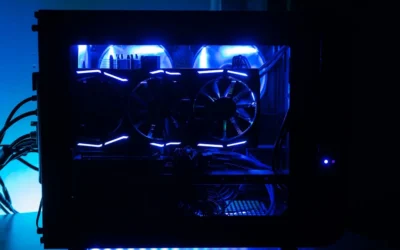
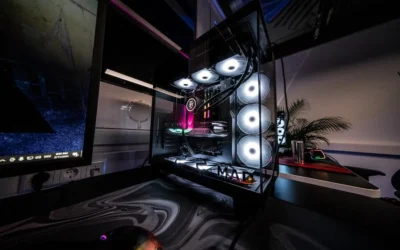
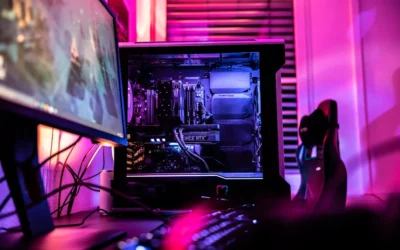
The video embedded here shows a real build in the same class and budget, not this exact parts list. It is useful to see how a system at this level comes together, how cables are routed in a compact layout, and what kind of cooling and power setup builders in this class usually choose. Use it as a visual reference for the class, then follow the parts breakdown below for our current 2026 picks.
What This Build Is
This is an upper class gaming PC build that targets 1440p high refresh play and gives you a path into entry 4K. As of November 2026, it is centered on the AMD Ryzen 7 7800X3D 8-Core and a GeForce RTX 5070 Ti class graphics card. That pairing is chosen so the processor does not hold the card back at the target resolution, which is the main goal for a balanced build at this budget.
You get an AM5 platform with DDR5, a 2TB PCIe 4.0 drive for a modern library, and a power and cooling setup that is sized for the combined draw of the CPU and GPU. The board and cooler stay practical, so more of your budget goes to the two parts that most affect gaming feel, the CPU and the graphics card. This is a common tradeoff at this level, and it keeps upgrade options open.
If you work in SolidWorks and Fusion 360 and also game, this class makes sense. Large assemblies and viewport work benefit from a responsive CPU and fast storage, while the 16GB 256-bit GDDR7 card handles shaded views and GPU accelerated tasks. For gaming, you are aiming for smooth high refresh at 1440p with headroom for heavier titles, and you can step into 4K where the card class is appropriate without pushing the CPU into a bottleneck.
There are tradeoffs to understand. This build puts emphasis on the CPU and GPU and keeps the motherboard feature set focused. You get PCIe 5.0, multiple M.2 slots, WiFi 7 and 2.5GbE where the board provides them, but you are not paying for extra overclocking features you will not use. The case choice is compact, which helps with desk space and airflow when planned well, but it asks for careful attention to GPU length, cooler height, and cable routing. If you prefer a large tower with many radiators or you need many expansion slots, this compact approach is not for you.
For most gamers who also do CAD, the balanced version below is the sweet spot. It gives you 32GB of tuned DDR5, responsive 2TB storage, and a modern ATX 3.1 supply with a native 12V-2×6 cable for RTX 50 cards. You can scale it down for a tighter budget or up for higher refresh and longer headroom, which we cover in the three ways to build section. If you want to learn more about the choice between building yourself and buying ready made, see our Prebuilt vs Custom guide.
Parts Breakdown
This is the core of our cad workstation build for solidworks and fusion 360 breakdown. The table shows what is common at this level and our current 2026 pick for each part, with a short reason for the choice. After the table we explain the two most important decisions in more detail.
This article contains affiliate links. If you buy through one of our links, CustomPCGaming may earn a commission at no extra cost to you. Commissions never influence which products we recommend or how we rank them. Read our Affiliate Disclosure for details.
Quick Picks at a Glance

Seasonic Focus GX-1000 1000W ATX 3.1 Power Supply

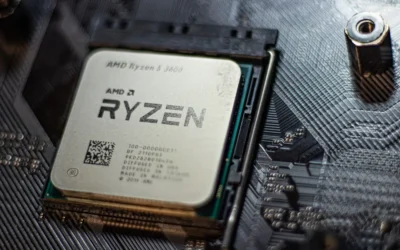
AMD Ryzen 7 7800X3D 8-Core 16-Thread

G.SKILL Trident Z5 Neo RGB 32GB DDR5-6000 CL30 AMD

Cooler Master NR200P MAX V2 Mini-ITX Case Bundle

Samsung 990 PRO 2TB PCIe 4.0 NVMe M.2 SSD

GIGABYTE GeForce RTX 5070 Ti Gaming OC 16GB GDDR7

GIGABYTE B850 AORUS Elite WIFI7 AM5 ATX

Prime Thermalright AXP90-X47 Full Copper Low Profile CPU
As an Amazon Associate we earn from qualifying purchases. Product prices and availability are accurate as of the date/time indicated.
Pros
- Fully ready for next generation GPUs with native 12V-2x6 support
- Dual Gold efficiency certifications ensure excellent energy efficiency
- Very quiet operation with Hybrid mode and large 135mm FDB fan
- Strong thermal design and proven Seasonic build quality
- High 1000W output ideal for enthusiast and future proof builds
Cons
- 1000W is more than most mainstream builds need, adding unnecessary cost for mid range systems
- Standard ATX size is not compatible with compact SFF cases that require SFX units
- Gold efficiency is excellent but not as high as Platinum or Titanium rated models
The Seasonic Focus GX-1000 ATX 3.1 is a high capacity 1000W power supply designed for modern enthusiast desktops. It is built specifically for users planning high end gaming or workstation builds with the latest NVIDIA RTX 5090 or AMD RX 9000 series GPUs.
Its standout feature is full ATX 3.1 and PCIe 5.1 compliance with a native 12V-2x6 connector for clean, stable power delivery without adapters. Combined with 80 PLUS Gold and Cybenetics Gold certification, it delivers efficient, reliable power even under sustained gaming or rendering loads.
Build quality is a clear strength, with Seasonic's OptiSink design for improved thermal performance and a 135mm fluid dynamic bearing fan with Hybrid fan control. The unit remains virtually silent during light use and ramps smoothly when needed, all within a compact ATX chassis that eases installation.
Drawbacks are minor but worth noting. The 1000W capacity and premium feature set are overkill for budget or mid range PCs, and the ATX form factor limits use in small form factor builds. Users seeking maximum efficiency may also prefer a Platinum rated alternative.
Overall, the Focus GX-1000 is an outstanding future proof power supply for high performance builds. If you want quiet operation, top tier efficiency and guaranteed support for next gen graphics cards, it is an excellent long term investment.
Model: Seasonic Focus GX-1000 ATX 3.1
Output Wattage: 1000W Continuous Power
Compliance: ATX 3.1 and PCIe 5.1 Ready with Native 12V-2x6 Connector
Efficiency: 80 PLUS Gold and Cybenetics Gold Certified
Cooling: 135mm Fluid Dynamic Bearing Fan with Hybrid Fan Control and OptiSink Design
Form Factor: ATX, Dimensions 5.5 x 5.9 x 3.4 inches, Weight 3.5 pounds
Compatibility: Desktop PCs, Optimized for NVIDIA RTX 5090 and AMD RX 9000 Series
Pros
- Best in class gaming performance and frametime consistency in CPU heavy and competitive titles
- Excellent power efficiency and cool operation without needing premium cooling
- Stable, easy drop in installation on AM5 with no complex tuning required
- Strong multitasking for gaming, streaming and everyday use
Cons
- Tuned for gaming, less ideal than non X3D chips for heavy rendering or productivity workloads
- Limited overclocking headroom due to 3D V-Cache design
- Requires AM5 motherboard and DDR5 memory, so not a drop in upgrade for AM4 systems
The AMD Ryzen 7 7800X3D is an 8-core, 16-thread desktop processor built on AMD's Zen 4 architecture for the Socket AM5 platform. It is purpose built for gamers who want maximum FPS and smoothness rather than a workstation chip for heavy creation tasks.
Its defining feature is AMD 3D V-Cache, which stacks a massive 96MB L3 cache plus 8MB L2 for 104MB total cache. In real world use this translates to exceptional high refresh rate gaming at 1440p, VR, and CPU intensive simulation and strategy games, with notably smooth 1% lows when paired with a powerful GPU.
Built on a 5nm process with a 4.2 GHz base clock and 120 watt design, it balances speed with efficiency. Users report cool, quiet operation and easy installation on any AM5 board, plus integrated Radeon Graphics for basic display duties and reliable everyday stability.
There are tradeoffs to consider. It is optimized for gaming, so creators focused on video encoding or 3D rendering may find better value in higher clocked non X3D processors. It also needs an AM5 motherboard and DDR5 RAM, and offers limited manual overclocking by design.
Verdict: For pure gaming the 7800X3D remains a top recommendation, combining elite gaming performance, efficiency and consistency. If your priority is smooth, high FPS gameplay that lets your GPU stretch its legs, it is an outstanding upgrade.
Processor: AMD Ryzen 7 7800X3D, 8 Cores, 16 Threads, Zen 4 Architecture, 5nm Process
Clock and Cache: 4.2 GHz Base Clock, 8MB L2 Cache plus 96MB L3 Cache, 104MB Total Cache
Socket and Platform: Socket AM5, Supports Windows 10 and Windows 11, Requires DDR5 Memory
Graphics and Power: Integrated AMD Radeon Graphics at 2200 MHz, 120 Watts, Tjmax 89C
Package: Desktop Processor, Model Number AMD Ryzen 7 7800X3D, Dimensions 1.57 x 1.57 inches
Pros
- Excellent CL30 latency at 6000MT/s for top-tier DDR5 performance
- Reliable AMD EXPO profile enables rated speed with one BIOS setting
- Premium build quality with effective heatspreader and refined RGB design
- Strong compatibility with AMD X870, X670, B850, B650 and A620 motherboards
- Backed by limited lifetime manufacturer warranty
Cons
- Requires enabling EXPO in BIOS to reach rated 6000MT/s, defaults to slower JEDEC speed otherwise
- Mixing with other memory kits is not supported and can cause instability
- RGB and low-latency premium costs more than basic DDR5 kits
The G.SKILL Trident Z5 Neo RGB F5-6000J3038F16GX2-TZ5NR is a 32GB DDR5 kit with two matched 16GB modules rated at 6000MT/s CL30-38-38-96. It is purpose built for AMD desktops and is ideal for gamers, enthusiasts and creators on X670, B650, X870, B850 and A620 platforms who want optimized Ryzen performance.
With AMD EXPO support, the kit reaches its rated speed with a single BIOS setting at 1.35V, no manual tuning needed. Real world feedback highlights noticeably quicker load times, smoother gameplay and better responsiveness compared to standard JEDEC DDR5, especially when paired with Ryzen 7000, 8000 and 9000 series processors.
Design and build quality are standout features, with a matte black brushed aluminum heatspreader that looks sophisticated and helps keep temperatures low under load. The integrated RGB light bar offers clean, customizable lighting that syncs with major motherboard software, bright enough to accent a build without being overpowering.
There are a few considerations to note. The memory will boot at JEDEC default speed until EXPO is enabled, so BIOS adjustment is required. As a matched kit, adding or mixing other kits later is not recommended, so buyers planning for 64GB should choose a larger capacity kit from the start.
Overall, the Trident Z5 Neo RGB is a top tier choice for AMD builders who want proven stability, low latency and premium aesthetics in one package. For a modern gaming or enthusiast desktop where performance and looks both matter, this kit delivers excellent value and reliability.
Capacity: 32GB (2x16GB) Dual Channel Kit
Memory Type: DDR5 U-DIMM, 288-pin, Non-ECC
Rated Speed: Up to 6000MT/s, CL30-38-38-96, 1.35V
Profiles: JEDEC default plus AMD EXPO overclock profile
Compatibility: AMD X870, X670, B850, B840, B650, A620 platforms
Model: F5-6000J3038F16GX2-TZ5NR, Matte Black with RGB
Warranty: Limited Lifetime Manufacturer Warranty
Choose this 6000MT/s CL30 kit if you want the sweet spot for AMD Ryzen systems, balancing high frequency with tight timings for gaming performance. It is the recommended spec for most Ryzen 7000 and newer builds without pushing into less stable higher frequencies.
Enable EXPO in your motherboard BIOS to reach the rated speed, and check your motherboard QVL or G.SKILL configurator for validated compatibility before purchase. Ensure your CPU and motherboard support DDR5 and EXPO for best results.
If you plan to upgrade memory later, buy the total capacity you need now as a single matched kit. Do not mix this kit with other kits, even of the same model, to avoid stability issues or failure to boot at rated speeds.
Pros
- Pre-routed AIO and PSU dramatically simplifies SFF building, even for first-time builders
- Excellent thermal performance for both CPU and GPU in a tiny chassis
- Supports full-length, high-end graphics cards in vertical orientation
- Premium build quality with tool-less panels and durable metal construction
- Custom short-length cables reduce clutter and improve airflow
Cons
- Mini-ITX motherboards only, which limits board selection and features
- Compact interior can be tight to work in, especially for builders with large hands
- Bundle approach offers less flexibility if you already own a PSU or cooler
The Cooler Master NR200P MAX V2 is a premium Mini-ITX case bundle that includes a custom 280mm AIO cooler and an 850W SFX Gold ATX 3.1 PSU, all pre-installed and pre-routed. It is designed for gamers, creators and SFF enthusiasts who want flagship performance in a compact footprint without the usual small form factor complications.
Real world performance is a major strength, with the 280mm liquid cooler easily handling high-end CPUs and the vented panels keeping GPU temperatures impressively low. The vertical GPU mount supports cards up to 357.6mm, including RTX 5080 and RX 9070 XT class cards, and the included PCIe 4.0 riser ensures full bandwidth and stable performance.
Build quality is excellent for the category, featuring a sturdy mix of metal, plastic and tempered glass with tool-less side panels for easy access. At just 18.25L, the chassis feels dense and well engineered, while custom short cables and a 90-degree 12V-2x6 connector keep wiring clean, safe and efficient.
The compact design does involve tradeoffs. It only supports Mini-ITX motherboards, so your options are more limited and often pricier than larger boards. The tight interior can also be challenging for builders with large hands or those installing multiple storage drives, and careful cable management is still required.
Overall, the NR200P MAX V2 is one of the easiest and most complete ways to build a powerful small form factor PC. If you want a compact, cool and future ready system that works out of the box with next generation components, this bundle is an outstanding choice and a top recommendation.
The NR200P MAX V2 measures 14.84 x 7.28 x 11.49 inches and weighs 7700g, with an 18.25L volume optimized for Mini-ITX builds. It includes a pre-installed ML280mm AIO, V850 SFX Gold ATX 3.1 PSU, and PCIe Gen4 riser cable.
Key specs include support for GPUs up to 357.6mm via vertical mounting, 3.5 inch drive bays, and cooling for up to two 140mm fans. The case offers both tempered glass and vented panel options and uses a bottom mount PSU layout with air and water cooling support.
Pros
- Exceptional sequential speeds up to 7450 MB/s read
- Strong power efficiency and smart thermal control
- Large 2TB capacity perfect for gaming and creative work
- Highly reliable with proven Samsung controller and NAND
- Easy M.2 installation and PS5 compatibility
Cons
- Requires PCIe 4.0 system to achieve advertised maximum speeds
- Premium cost compared to PCIe 3.0 and budget Gen4 drives
- This model does not include a heatsink, separate cooling may be needed for heavy sustained loads
The Samsung 990 PRO 2TB is a flagship PCIe 4.0 NVMe M.2 SSD built for gamers, content creators and power users who demand top tier speed and capacity. With its compact 2280 form factor and PS5 compatibility, it fits modern desktops, laptops and consoles that support PCIe 4.0.
In real world use it delivers near maximum PCIe 4.0 performance with sequential reads up to 7450 MB/s and writes up to 6900 MB/s. Users report faster game loads, snappy system responsiveness and smooth handling of large file transfers, video editing and heavy multitasking thanks to more than 55 percent better random performance than the 980 PRO.
Built around Samsung's in-house controller and NAND, the drive offers excellent build quality in an ultra compact and lightweight design that installs easily in any M.2 slot. Intelligent heat control and improved power efficiency help maintain consistent performance while using less energy, making it suitable for both desktops and laptops.
To unlock its full potential you will need a PCIe 4.0 capable motherboard or device, otherwise speeds will be limited by your hardware. This base model does not include a heatsink, so users running sustained intensive workloads may want to add dedicated cooling, and it carries a premium over slower Gen3 or entry level Gen4 alternatives.
Overall the 990 PRO 2TB stands out as one of the fastest and most reliable PCIe 4.0 SSDs available, backed by Samsung's reputation and a 5 year warranty. If you want a high capacity, future ready drive that noticeably improves everyday computing and demanding workloads, it is an excellent investment.
Capacity: 2TB
Form Factor: M.2 2280
Interface: PCIe 4.0 x4, NVMe
Sequential Read Speed: Up to 7450 MB/s
Sequential Write Speed: Up to 6900 MB/s
Compatible Devices: Desktop, Laptop, Sony PlayStation 5
Model Number: MZ-V9P2T0B/AM
Warranty: 5 Years Manufacturer
Choose the Samsung 990 PRO 2TB if you need maximum PCIe 4.0 speed combined with large capacity for gaming, 4K editing or heavy workloads. It is the right fit when your system has an M.2 2280 PCIe 4.0 slot and you want noticeably faster boots, loads and transfers.
Consider your cooling setup before buying, as this version comes without a heatsink. If you run long sustained writes or use it in a compact build or PS5, adding a heatsink or choosing a heatsink model will help maintain peak performance.
For users on PCIe 3.0 systems or tight budgets, a more affordable Gen3 or entry Gen4 drive may be sufficient. For everyone else seeking a fast, efficient and reliable upgrade with room to grow, the 990 PRO 2TB is a top recommendation.
Pros
- Excellent native 1440p and 4K performance, even with ray tracing enabled
- Quiet and cool operation thanks to the WINDFORCE triple fan cooler
- High power efficiency compared to previous generation cards
- DLSS 4 Frame Generation delivers a large perceived fps boost with minimal visual artifacts
- 16GB GDDR7 provides plenty of headroom for future games and creative applications
Cons
- Extra large triple fan design requires a spacious case with modern clearances
- RGB lighting on the fans turns off when fans stop in 0 RPM idle mode
- Gaming OC factory overclocked model costs more than base reference designs
The GIGABYTE GeForce RTX 5070 Ti Gaming OC 16G is a high performance graphics card built on NVIDIA Blackwell architecture for gamers and creators who demand smooth 1440p and 4K experiences. It is designed for users upgrading from RTX 20 or 30 series cards who want a major leap in ray tracing, AI and creative workloads.
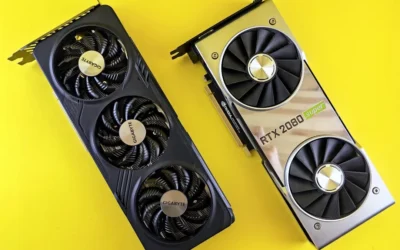
In real world testing, users report roughly double the performance of an RTX 2080 with similar power draw and much lower noise. With 16GB of GDDR7 memory, enhanced RT and Tensor Cores and DLSS 4 with Frame Generation, it handles maxed out settings and ray tracing at 60 to 100 fps native, and well above 120 fps with DLSS quality mode.
Build quality is premium and gamer focused, featuring GIGABYTEs WINDFORCE triple fan cooling system for efficient thermal control and quiet operation. The card supports PCIe 5.0, offers DisplayPort and HDMI outputs, and delivers up to 8K resolution support in a sturdy, factory overclocked design clocked at 2600 MHz.
The main trade off is physical size, as the triple fan cooler makes this a large card that barely fits in some mid tower cases. Some users also note that RGB lighting on the fans turns off when the fans stop at idle, which may disappoint those who want constant illumination.
Overall, the RTX 5070 Ti Gaming OC strikes an excellent balance between performance and efficiency in the RTX 50 series lineup. If you want flagship level visuals and AI acceleration without the highest tier cost or power demands, this is one of the most compelling choices available.
Graphics Processor: NVIDIA GeForce RTX 5070 Ti, Blackwell architecture, NVIDIA RTX 50 Series
Memory: 16GB GDDR7, 256-bit interface, 2600 MHz memory clock
Clock Speed: 2600 MHz boost clock, factory overclocked Gaming OC edition
Interface: PCI-Express x16, PCIe 5.0 support
Cooling: WINDFORCE cooling system with 3 fans and 0 RPM fan stop
Outputs: DisplayPort and HDMI, maximum resolution 7680 x 4320
Dimensions and Weight: 13.46 x 5.59 inches, 3.9 pounds, triple slot design
Model: GV-N507TGAMING OC-16GD, 3 year manufacturer warranty
Choose this card if you game at 1440p or 4K, use ray tracing, or create content that benefits from large VRAM and AI acceleration. It is a strong upgrade from RTX 2080, 3070 and 3080 class cards and pairs well with modern Ryzen 7, Ryzen 9 or Intel Core i7 and i9 systems.
Make sure your case has enough clearance for a large triple fan card and that your power supply meets the recommended wattage with proper PCIe power connectors. Good airflow will help you get the quietest operation and best boost clocks.
For the best experience, enable DLSS 4 in supported games to boost frame rates while keeping image quality high. Keep drivers updated through NVIDIA GeForce Experience and use GIGABYTE Control Center to customize fan curves and RGB if desired.
Pros
- Excellent next gen compatibility with Ryzen 9000 series, DDR5 and PCIe 5.0
- Strong and stable power delivery with effective VRM and M.2 thermal protection
- Outstanding connectivity including WIFI7, 2.5GbE LAN, USB-C and 12 USB ports
- Easy to build with EZ-Latch, clearly labeled headers and user friendly BIOS
- Backed by a 5 year manufacturer warranty for long term peace of mind
Cons
- Full ATX size requires a mid or full tower case, not suitable for compact builds
- Only 4 SATA ports which may limit users with large hard drive arrays
- Isolated user reports of HDMI and power related quality control issues
The GIGABYTE B850 AORUS Elite WIFI7 is a full featured ATX motherboard designed for AMDs AM5 platform, supporting Ryzen 7000, 8000 and 9000 series processors. It is built for gamers, content creators and PC enthusiasts who want a reliable, high performance foundation with strong upgrade potential.
In real world use it delivers fast, stable performance thanks to DDR5 memory support, PCIe 5.0 for graphics and three M.2 slots for NVMe storage. Users highlight its smooth BIOS, simple XMP and fan control, plus excellent WIFI7 and wired networking that handles gaming, streaming and VR with low latency.
Build quality is a standout, with a sturdy layout, clean black and gray aesthetic and subtle RGB lighting. The VRM and M.2 Thermal Guard keep components cool under load, while EZ-Latch makes drive installation tool free and clearly labeled headers help with tidy cable management.
There are a few tradeoffs to consider. The ATX form factor limits compatibility with small form factor cases, and the four SATA ports may feel restrictive for storage heavy builds. A small number of users have also reported HDMI or power issues, suggesting quality control can vary.
Overall, the B850 AORUS Elite WIFI7 offers a compelling blend of future ready features, strong thermals and builder friendly design. For anyone building a new Ryzen system that needs speed, stability and modern connectivity, it is an excellent long term choice.
Socket: AM5 supporting AMD Ryzen 7000, 8000 and 9000 Series. Chipset: AMD B850. Memory: 4x DIMM DDR5 up to 256GB.
Expansion: PCIe 5.0 graphics interface, 3x M.2 slots, 3x PCIe slots, 4x SATA ports. Thermal: VRM and M.2 Thermal Guard.
Connectivity: WIFI7, 2.5GbE LAN, USB-C, 12x USB ports total, 14 ports overall, Sensor Panel Link. Power: 14+2+2 power phase design with 24-Pin main connector.
Form Factor: ATX 12 x 9.6 x 1 inches. Platform: Windows 11. Warranty: 5 Year Manufacturer.
Pros
- Excellent cooling performance for a 47mm low-profile cooler
- Very quiet operation even under gaming and heavy loads
- Full copper build improves conductivity and offers a distinctive premium look
- Broad compatibility with modern Intel and AMD sockets
- Compact size fits popular SFF cases like Dan A4-H2O and Fractal Terra
Cons
- Instruction manual can be confusing, especially for AM5 backplate installation
- Slim 92mm fan may require tuning for the best noise to performance balance
- Limited headroom for heavily overclocked or very high TDP CPUs
The Thermalright AXP90-X47 Full Copper is a 47mm tall low-profile air cooler built for compact ITX and SFF desktops. It is ideal for builders using slim cases where clearance is limited but reliable cooling is still essential.
With four 6mm copper heatpipes, AGHP technology and a 92mm TL-9015R slim PWM fan, it moves up to 42.58 CFM while staying under 22.4 dBA. Users report it quietly handles chips like the Ryzen 7 7800X3D and Intel i5-12500T, keeping gaming temps around 75C in tight cases.
The full copper construction sets it apart from aluminum alternatives, offering better thermal conductivity and a striking premium look. It uses an all-metal mounting platform with a secure backplate and secondary reflow soldering for long-term durability and stable contact.
Installation is not always straightforward, as the manual can be confusing regarding backplate use on certain AM5 motherboards like ASRock B650I models. As a low-profile cooler, it also has thermal limits and is not intended for heavily overclocked high TDP processors.
For SFF enthusiasts who need maximum cooling in minimum space, the AXP90-X47 Full Copper is one of the best value options available. It combines compact dimensions, quiet operation and premium materials in a cooler that punches well above its size.
Model: Thermalright AXP90-X47 Full Copper, 47mm Low Profile Design
Fan: 92mm TL-9015R Slim PWM Fan, 2700 RPM Max, 42.58 CFM, 22.4 dBA, 4-Pin Connector
Heatpipes: 4 x 6mm Copper Heatpipes with AGHP Technology
Compatibility: Intel LGA 1150/1151/1200/1700/1851 and AMD AM4/AM5
Dimensions & Material: 3.74 x 1.85 x 3.72 inches, Full Copper with Metal, Plastic and Silicone Components
| Part | Common at this level | Our 2026 pick | Why |
|---|---|---|---|
| CPU | a cpu in the same class | AMD Ryzen 7 7800X3D | a current platform match for this GPU tier so the processor does not hold it back |
| GPU | a gpu in the same class | PNY GeForce RTX 5070 Ti | the class of card this build is planned around |
| Motherboard | a motherboard in the same class | MSI MAG B850 Tomahawk WiFi | a board with a proven VRM and the I/O this build needs, without paying for features it will not use |
| Memory | a memory in the same class | G.Skill Trident Z5 Neo 32GB DDR5 6000 CL30 | the tuned capacity and speed sweet spot for this platform |
| SSD | a ssd in the same class | Samsung 990 Pro 2TB | responsive storage sized for a modern game library |
| Power Supply | a power supply in the same class | Seasonic Focus GX-1000 ATX 3.1 | a modern ATX 3.1 unit with headroom above the combined draw of the CPU and GPU |
| Case | a case in the same class | Cooler Master NR200P V2 | good stock airflow and clearance for the cooler and graphics card in this build |
| CPU Cooler | a cpu cooler in the same class | Thermalright AXP90-X47 | quiet, capable cooling that keeps this CPU in its normal boost range |
The graphics card defines this build. The pick sits in the GeForce RTX 5070 Ti class with 16GB GDDR7 on a 256-bit interface, PCIe 5.0 support, and a WINDFORCE cooling system on the buyable model. That class is what you plan around for 1440p high refresh and entry 4K. It gives you DLSS 4 support on the Blackwell architecture and enough VRAM for large textures and CAD viewports, while staying in a power range that a quality 1000W ATX 3.1 supply can handle with headroom.
The processor is chosen to match it. The AMD Ryzen 7 7800X3D 8-Core is an 8 core, 16 thread chip on the 5 nm process with a 4.20 GHz base clock, 8 MB L2 plus 96 MB L3 cache, and Radeon Graphics at 2200 MHz. Maximum operating temperature is 89 degrees C per the spec sheet. In this build the goal is simple, keep the CPU from holding the GPU back at 1440p and in lightly threaded CAD tasks, while staying efficient and cool under a low profile cooler.
Memory and storage complete the feel of the system. The G.SKILL Trident Z5 Neo RGB Series DDR5 RAM kit is 32GB total as 2x16GB, rated up to DDR5-6000 CL30-38-38-96 at 1.35V with AMD EXPO and JEDEC profiles, which is the sweet spot for AM5. The Samsung SSD 990 PRO 2TB is a PCIe 4.0 M.2 2280 drive rated up to 7450 MB/s read and 6900 MB/s write. That combination keeps load times short and leaves room for a growing game and project library. For more on compact builds with this GPU class, see small form factor cases for RTX 5070 builds.
Compatibility Check
Will all of these parts fit and work together without surprises? That is the question most builders at this level want answered before they order. This build is AM5, so the CPU, board, and DDR5 memory must align on socket and chipset, and the case must clear your cooler and graphics card while the supply covers power and connectors.
Socket and chipset come first. The AMD Ryzen 7 7800X3D 8-Core uses the AM5 socket. Our pick is a B850 board, represented in our data by the GIGABYTE B850 AORUS Elite WIFI7 AMD AM5 ATX with support for Ryzen 9000, 8000 and 7000 series, DDR5 with four DIMMs, a 14+2+2 power phase design, PCIe 5.0, three M.2 slots, USB-C, WiFi 7 and 2.5GbE LAN. B850 gives you a proven VRM for this CPU class and the I/O you need without paying for features you will not use. If you drop in a newer chip later, check the board support page for that exact CPU and BIOS version. BIOS updates are done at your own risk and may affect warranty, so follow the maker instructions and use BIOS Flashback if a flash is needed. Handle parts with anti-static precautions and install on a non conductive surface.
Memory support is straightforward but worth confirming. Use a 32GB DDR5 6000 CL30 kit, and if you drop in a newer chip later check the board support page and use BIOS Flashback if a flash is needed. The G.SKILL kit in our data is DDR5 6000 CL30-38-38-96 at 1.35V, non ECC, 288-pin U-DIMM, with AMD EXPO. Do not mix kits, buy a matched 2x16GB set and enable the EXPO profile in BIOS. Check the board QVL for validated kits if you want extra assurance. The board will boot at JEDEC default speed until you enable the profile.
GPU length and slot clearance need attention in a compact case. A triple fan card and a 240 or 360mm radiator fit a standard mid tower, but this build uses the Cooler Master NR200P MAX V2 Mini-ITX PC Case class, which is a compact 18.25L Mini-ITX design with vertical GPU mounting and support for high end GPUs up to 357.6mm with a PCIe 4.0 riser cable. That is generous for this class, yet you should still measure your exact card and confirm slot thickness and power connector position. The buyable GIGABYTE GeForce RTX 5070 Ti Gaming OC 16G is a large triple fan model, so confirm that its length and width leave room for cables and airflow in your chosen case.
Cooler clearance is just as important. The Thermalright AXP90-X47 Full Cooper Low Profile CPU cooler is 47mm tall with a 92mm TL-9015R Slim PWM fan, four 6mm heatpipes, and support for AM4 and AM5 as well as Intel 115X, 1200, 1700 and 1851. It is rated at 22.4 DBA noise, 12V and 0.2A max. At 47mm it is made for small form factor builds where a tall tower cooler will not fit. Check cooler height against your case spec and follow the mounting instructions for your socket. For help choosing a low profile option, see best low profile CPU cooler for small form factor builds and our Cases & Airflow category for clearance tips.
Power and connectors are the last check. Size the supply above the combined draw of the CPU and GPU, follow the card maker recommended wattage, and use a native 12V-2×6 cable for an RTX 50 card. The Seasonic Focus GX-1000 1000W Power Supply ATX 3.1 is ATX 3.1 and PCIe 5.1 ready with a native 12V-2×6 connector, 80 PLUS and Cybenetics Gold certification, OptiSink design, and a 135mm FDB fan with hybrid fan control. A 1000W unit gives you headroom above the combined draw and supports transient spikes, but it does not mean it handles any card, always follow the GPU maker guidance. Use the native cable, seat it fully until it clicks, and avoid sharp bends near the connector. If your case bundle includes its own SFX supply, decide which supply you will actually use and do not mix cables between units.
Storage and front I/O are simple. The Samsung SSD 990 PRO 2TB is a PCIe 4.0 M.2 2280 drive, so you need an M.2 slot with PCIe 4.0 support and a standoff at 2280. The B850 board provides three M.2 slots, so you have room for the OS drive plus future expansion. Confirm that your case front panel USB-C cable matches the board header if you need that port. As always, update BIOS and enable EXPO only if you are comfortable with the process, and keep your work area static free.
Performance: What To Expect
No verified frame rate numbers are available for this build, so we will keep this section qualitative and will not invent figures. That approach avoids misleading you with numbers that do not apply to your exact games, settings, and system configuration.
What you can expect in practice is a system that feels balanced at 1440p high refresh and remains capable at entry 4K. The Ryzen 7 7800X3D class keeps the GPU fed in CPU sensitive scenes, which helps with consistency when you move through busy areas or run background tasks. The RTX 5070 Ti class provides the VRAM and bandwidth for high texture settings and for GPU accelerated viewport work in SolidWorks and Fusion 360, while DLSS 4 can help where supported.
The supporting parts shape everyday feel. DDR5 6000 CL30 keeps latency in a good window for AM5, and the 2TB PCIe 4.0 drive with up to 7450 MB/s read and 6900 MB/s write keeps level loads and project opens responsive. Owners commonly report that this SSD class feels quick for large game installs and scratch work, though your exact experience depends on your workload and how full the drive is. The low profile cooler is quiet at 22.4 DBA per the spec sheet and is sized to keep this CPU in its normal boost range in a compact case, provided airflow is not blocked and the fan curve is set sensibly.
If you move up or down a GPU tier, the change is qualitative. A step down will still handle 1440p but with less headroom for higher settings and heavier ray traced scenes, while a step up adds headroom for higher refresh and more demanding 4K. The same applies to the CPU, a newer X3D chip adds headroom for high refresh and future titles, but the build as specified is already arranged so the processor does not hold the graphics card back at the target resolution.
Three Ways to Build This
Lower Cost Version
Go one GPU tier down with a cheaper CPU, a budget air cooler, a 1TB drive and an entry B650 or B850 board. You keep the 32GB DDR5 6000 CL30 idea where possible, but you trim board features and storage to hit a tighter budget. This suits a first build on a tight budget where you want to get into 1440p and still have a path to upgrade the GPU later. You give up some headroom and future proofing, and you will need to be more selective with settings in heavier titles.
Balanced Version, Our Recommended Build
This is the parts list in the table, AMD Ryzen 7 7800X3D 8-Core with a GeForce RTX 5070 Ti class card, G.SKILL Trident Z5 Neo RGB Series DDR5 RAM 32GB DDR5 6000 CL30, Samsung SSD 990 PRO 2TB, GIGABYTE B850 AORUS Elite WIFI7 class board, Seasonic Focus GX-1000 1000W Power Supply ATX 3.1, Cooler Master NR200P MAX V2 Mini-ITX PC Case class, and Thermalright AXP90-X47 Full Cooper Low Profile CPU cooler. It is for most gamers who also do CAD and want headroom to upgrade later without replacing the whole platform. You get a balanced CPU and GPU pairing, responsive storage, and a modern supply with a native 12V-2×6 cable.
Higher End Version
Move up a GPU tier and to a Ryzen 7 9800X3D or Ryzen 9 9950X3D with a 360mm AIO and a 1000W supply. Keep the 32GB DDR5 6000 CL30 kit and 2TB drive, or add a second M.2 for projects. This is for high refresh play and years of headroom, especially if you chase higher frame rates at 1440p or push more into 4K. You will need a case that clearly supports a 360mm radiator and a board VRM that is comfortable with the higher end chip, and you should confirm cooler and radiator clearance before you buy.
FAQ
Is the Ryzen 7 7800X3D enough for an RTX 5070 Ti at 1440p?
Yes, that is the intent of this pairing. The 8 core, 16 thread design with large cache is chosen so the processor does not hold the card back at 1440p high refresh and entry 4K. If you target very high refresh or want the most headroom, a newer X3D chip is the logical step up.
Do I need 32GB DDR5 6000 CL30 for AM5, or can I use a different speed?
32GB DDR5 6000 CL30 is the sweet spot for AM5 in 2026 because it balances bandwidth and latency with EXPO support. You can use other speeds, but check the board QVL, buy a matched kit, and enable the correct profile in BIOS. Mixing kits can cause stability issues.
Will the Thermalright AXP90-X47 fit in the Cooler Master NR200P V2 and cool the 7800X3D?
The AXP90-X47 is 47mm tall and made for small form factor cases, which is why it is chosen here. It supports AM5 and is rated for quiet operation. Confirm your exact case variant clearance and follow the mounting instructions, and set a sensible fan curve so the CPU stays in its normal boost range.
Final Verdict
This build keeps the focus where it matters for both gaming and CAD, a balanced CPU and GPU pairing, tuned memory, responsive 2TB storage, and a modern power design with the right connector. It is compact without giving up the parts that affect daily feel, and it leaves a clear path to scale up later.
Our pick: the balanced version we recommend, with the AMD Ryzen 7 7800X3D 8-Core and GeForce RTX 5070 Ti class, 32GB DDR5 6000 CL30, and the 2TB drive, for most gamers who also use SolidWorks and Fusion 360 and want headroom to upgrade later. If your budget is tight, start with the lower cost version, and if you want maximum high refresh headroom, choose the higher end version with a 9800X3D or 9950X3D and a 360mm AIO.
This guide is not a good fit if you want a hands-off machine with a single warranty and no assembly; a prebuilt may be the better choice despite the price premium.

Write Your Review
No reviews yet. Be the first to share your experience!